Category
page 1Poland in World War II
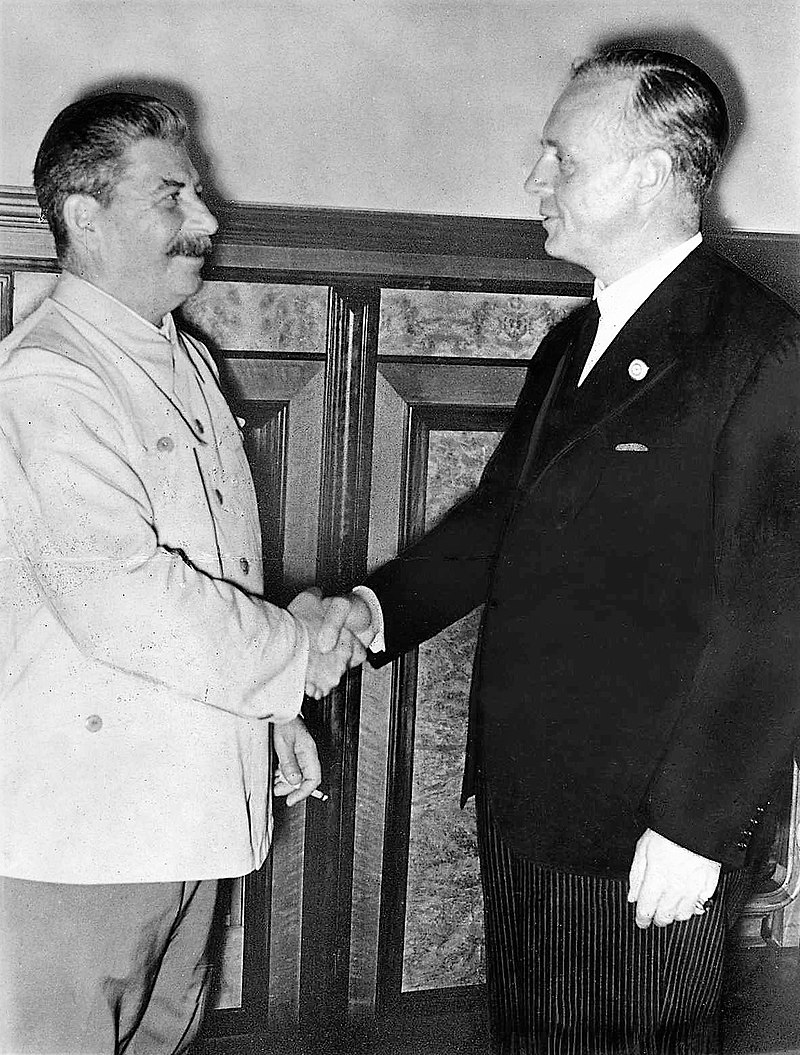
Molotov–Ribbentrop Pact
1939 neutrality pact between Nazi Germany and the Soviet Union
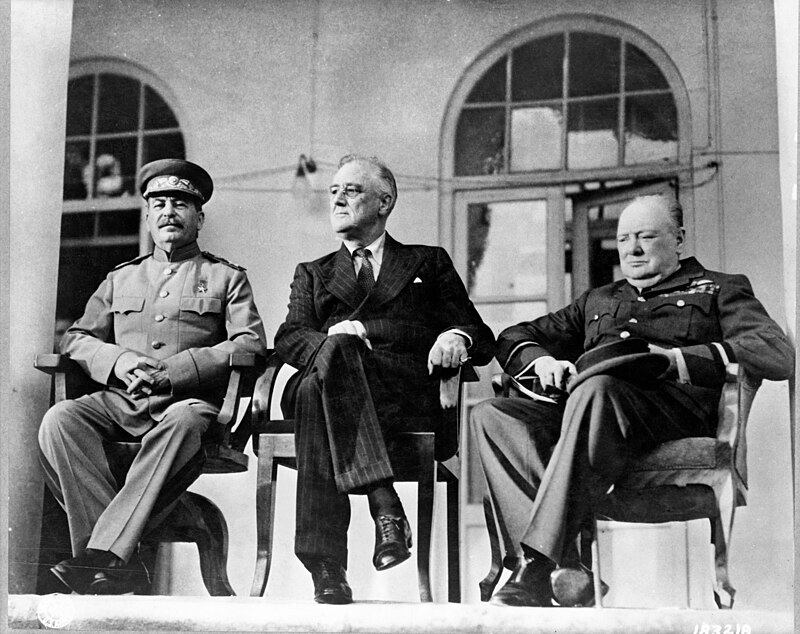
Tehran Conference
strategy meeting of the leaders of the USSR, the USA, and the UK in Tehran in 1943 during World War 2
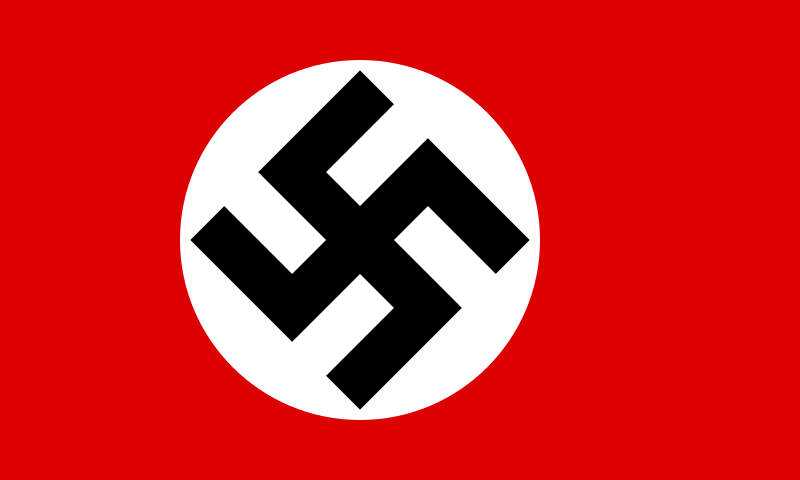
General Government
German-occupied zone in Poland in World War II

Germanisation
Germanisation, or Germanization, is the spread of the German language, people, and culture. It was a central idea of German conservative thought in the 19th and the 20th centuries, when conservatism and ethnic nationalism went hand in hand. In linguistics, Germanisation of non-German languages also occurs when they adopt many German words.
Polish government-in-exile
government of Poland in exile (1939–1990)
Reichskommissariat Ostland
administrative division of Nazi Germany in the occupied Baltic countries and parts of Belarus
Reichsgau Wartheland
administrative division of Nazi Germany in incorporated Polish territories
Polish Committee of National Liberation
provisional government of Poland, proclaimed in 1944
Recovered Territories
former eastern territories of Germany that became part of Poland
Polish Workers' Party
political party
Nazi gold train
legend of Nazi train containing gold buried underground in Poland
history of Poland (1939–1945)
history of Poland between 1939 and 1945
Western betrayal
view that Western countries failed to meet their obligations with respect to Czechoslovak and Polish states during the prelude to and aftermath of World War II
Bronna Góra
mass killing site in Belarus
Polish population transfers in 1944–1946
post WWII resettlement
Vrba-Wetzler report
account of Auschwitz killings
Gestapo–NKVD conferences
security police meetings organized by Germany and the Soviet Union
Wanda Krahelska-Filipowicz
Polish Socialist Party activist, founder of Żegota (1886–1968)
Nur für Deutsche
German ethnocentric slogan
Volksliste
nazi program classifying inhabitants of German-occupied territory
Polish-Czechoslovak confederation
political concept from the time of World War II

Generation of Columbuses
Polish generation born soon after Poland's independence in 1918
Ostforschung
Ostforschung (; "research on the east") is a German term dating from the 18th century for the study of the areas to the east of the core German-speaking region. At its core, Ostforschung postulated that Germans and Germany were superior to Poles and Poland, and aimed to prove this thesis. The idea of German superiority and Prussian stereotypes about Poles were the core beliefs of this field of research.
.jpg)
Solahütte
Solahütte (a.k.a. Solehütte, Soletal, SS-Hütte Soletal, or SS Hütte Porombka) was a resort in Poland for the Nazi German guards, administrators, and auxiliary personnel of the Auschwitz/Birkenau/Buna facilities during the Holocaust in occupied Poland. Although postcards of the era sent by German staff sometimes bore the mysterious pre-printed return address "SS Hütte Soletal", the rustic hamlet remained largely unknown to historians until 2007, when the Höcker Album of memorabilia owned by SS officer Karl-Friedrich Höcker including vintage Auschwitz photographs was donated to the United States
1943 Gibraltar B-24 crash
aviation accident
Hegewald
human settlement
list of Polish Righteous Among the Nations
Wikimedia list article
Kennkarte
The Kennkarte served as the basic identification document issued to German nationals from the age of 15 onwards, with place of residence or permanent residence in the territory of Germany during the Third Reich era, and extended to include citizens of German-occupied territories. It was introduced through the ordinance on identity cards of July 22, 1938 (RGBl. I p. 913) as a "police-issued general domestic identity card".
Polish question
historical debate about whether Poland should exist
Polish War Cemetery in Tehran
cemetery in Pasdar Gomnam Str., Rezayi Tajeri Str.
Union of Polish Patriots
left-group of Polish exiles
Provisional Government of the Republic of Poland
government of Poland from 1944 to 1945
State National Council
self-proclaimed communist parliament (Poland; 1943–1947)
Ukrainian People's Revolutionary Army
paramilitary formation founded in 1941 by Taras Bulba-Borovets to fight against Nazi German occupiers
Priest Barracks of Dachau Concentration Camp
Concentration camp barracks
Biuletyn Informacyjny
Polish magazine during WWII
Zichenau
Nazi German administrative unit in occupied Poland
home front during World War II
covering numerous countries
Soviet annexation of Eastern Galicia and Volhynia
World War II event
World War II crimes in Poland
Nazi and Soviet WW II war crimes in Poland
Deutscher Volksverband
political party
PKWN Manifesto
political manifesto of the Polish Committee of National Liberation
Młynarki
thumb|right|200px|The 500 Polish zloty|zloty note, so-called "Góral"
Młynarki was the popular name for the currency notes of the General Government (part of German-occupied Poland) during World War II that were issued by the German-controlled Bank of Issue in Poland. They were named after the president of the bank, Feliks Młynarski.
Jungdeutsche Partei
political party
General Government chess tournament
Events in Nazi-occupied Poland (1942–44)
Sikorski's death controversy
conspiracy theories
Polish Cemetery at Casamassima
cemetery in Casamassima, Italy
Rotunda Zamość
Poles in the former Soviet Union
Polish–Ukrainian conflict
1939–1947 ethnic conflict