Category
page 1Polychelida
Polychelida
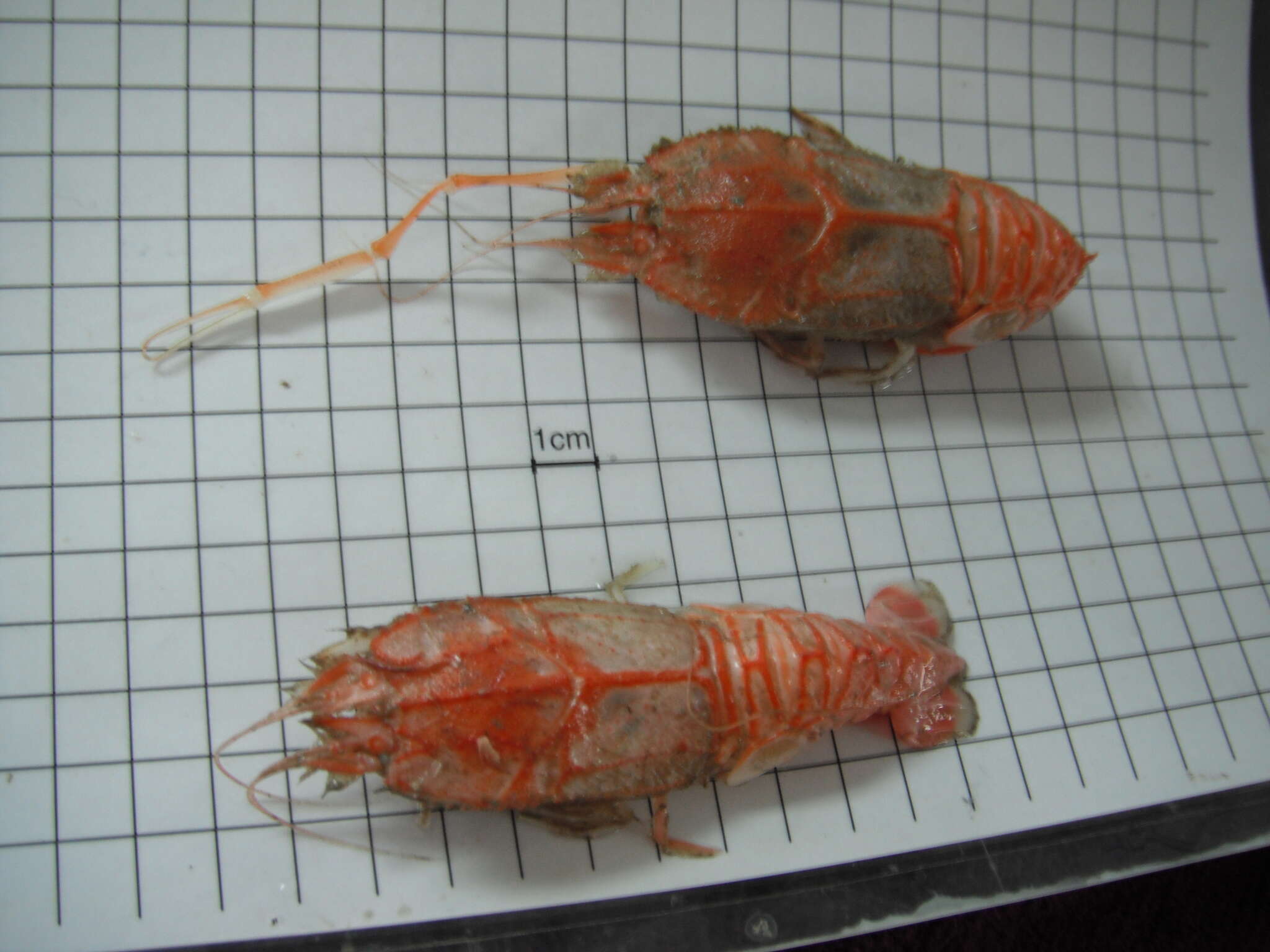
Polychelida is an infraorder of decapod crustaceans. Fossil representatives are known dating from as far back as the Upper Triassic. A total of 38 extant species, all in the family Polychelidae, and 55 fossil species have been described.

Polychelidae
The family Polychelidae contains thirty-eight extant species of blind, benthic lobster-like crustaceans. They are found throughout the world's tropical, sub-tropical and temperate oceans, including the Mediterranean Sea and the Irish Sea.
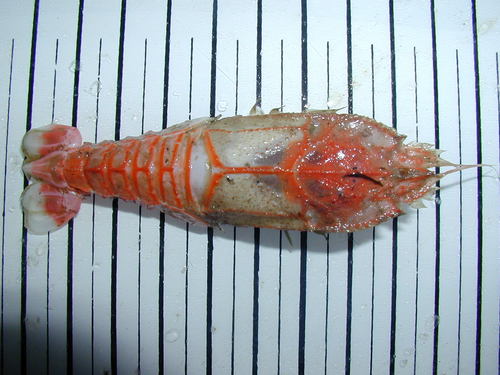
Polycheles typhlops
species of crustacean
Eryon
Eryon is an extinct genus of decapod crustaceans from the Late Jurassic of Germany. Its remains are known from the Solnhofen limestone. It reached a length of around , and may have fed on particulate matter on the sea bed. It went extinct sometime after the Late Jurassic, which ended approximately 145 million years ago (Ma). There is no specific date for the extinction of the Eryon genus itself mentioned in the records, only that its existence is confined to the fossil records of the Late Jurassic period.
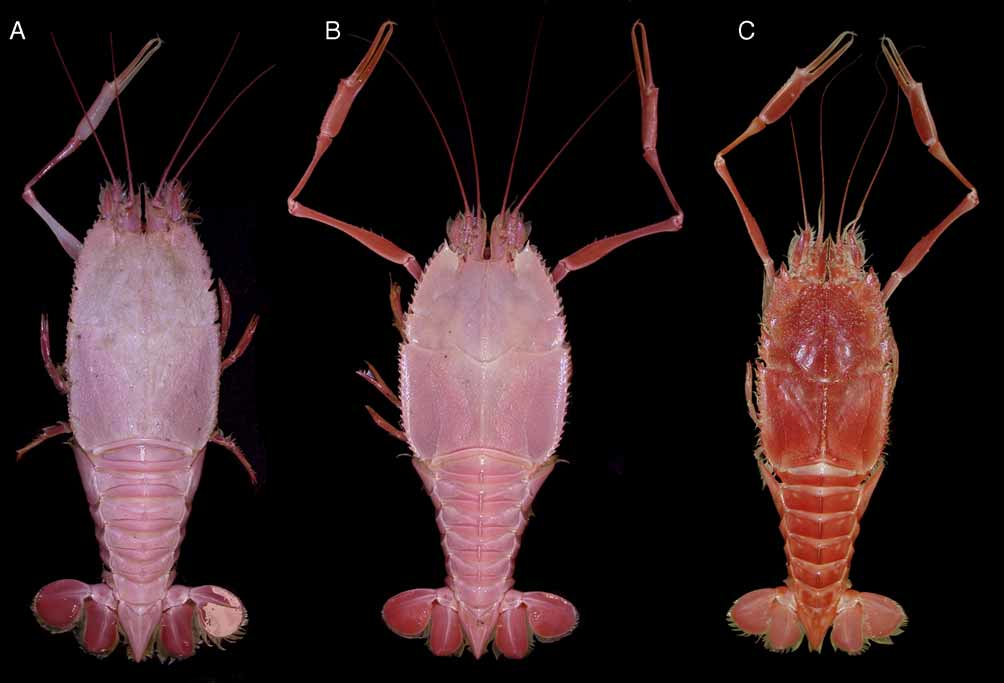
Pentacheles validus
species of crustacean

Pentacheles laevis
species of crustacean

Polycheles
Polycheles is a genus of decapods within the family Polychelidae, with 9 current species assigned to it. Members of this genus are found in oceans worldwide at depths of 665 to 938 meters.
Cardus crucifer
species of crustacean
Homeryon asper
Homeryon is a genus of blind, deep-sea crustaceans. It is named after the blind Greek poet Homer and the genus Eryon, which contains fossil relatives of the modern Polychelidae. It was separated from the genus Polycheles in 2001, and contains only two species.
Pentacheles
Pentacheles is a genus of crustaceans of the class Malacostraca.
Eryonidae
Eryonidae is a family of fossil decapod crustaceans which lived from the Upper Triassic to the Lower Cretaceous. It contains four genera: An aggregation of three unidentified eryonids was reported in 2012 inside a Late Jurassic ammonoid of the species Harpoceras falciferum; they represent the earliest evidence of gregarious behaviour in decapods.
Cycleryon Glaessner, 1965
Eryon A. G. Desmarest, 1817
Knebelia Van Straelen, 1922
Rosenfeldia Garassino, Teruzzi & Dalla Vecchia, 1996