Category
page 1Polyextremophiles

lichen
thumb|A tree covered with leafy foliose lichens and shrubby fruticose lichens

tardigrade
Tardigrades (), also known as water bears or moss piglets, are a phylum of eight-legged segmented micro-animals. They were first described by the German zoologist Johann August Ephraim Goeze in 1773, who called them ' . In 1776, the Italian biologist Lazzaro Spallanzani named them Tardigrada', which means 'slow walkers'.
Deinococcus radiodurans
radioresistant extremophile species of bacterium
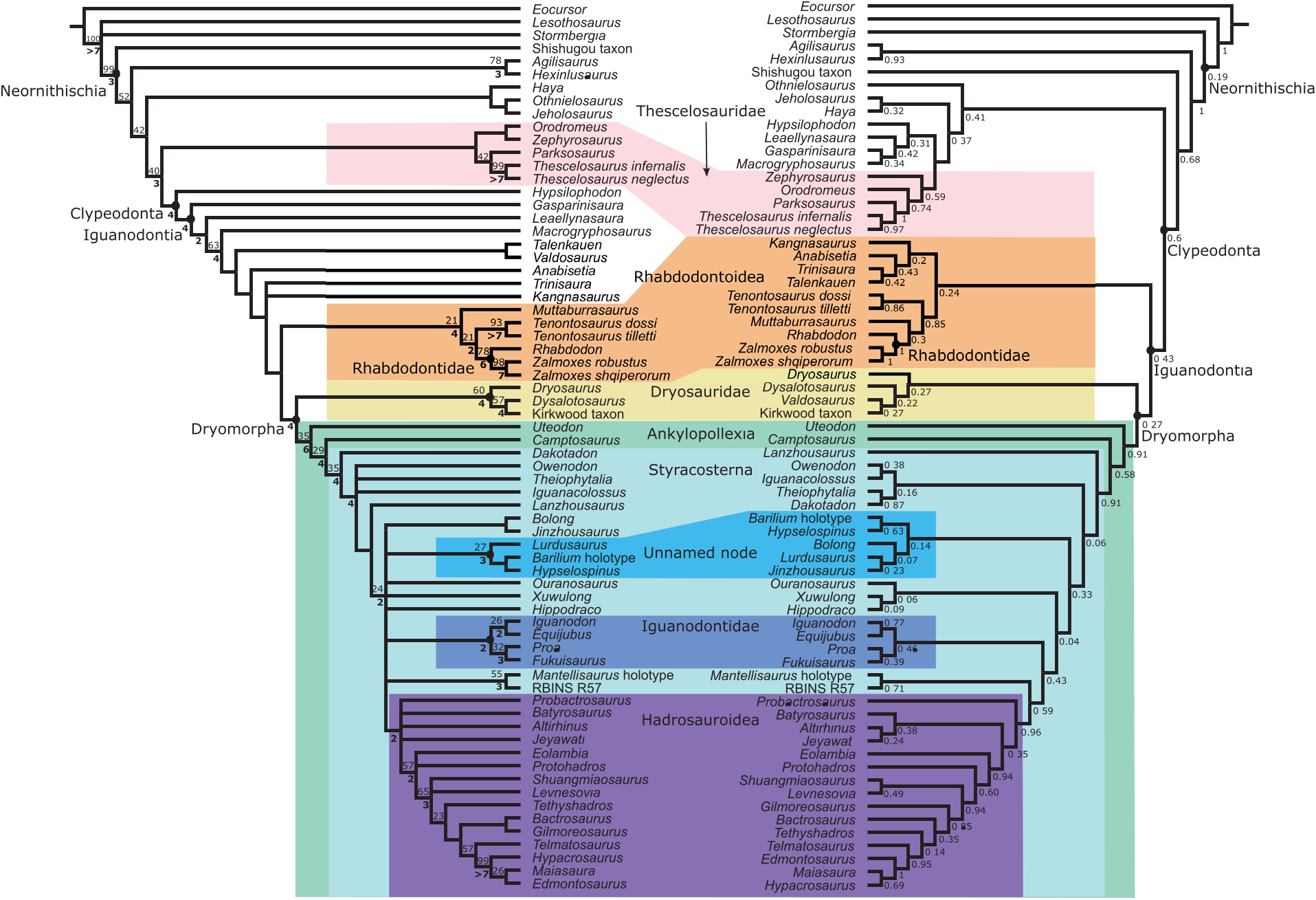
Parachela
order of tardigrades

Deinococcus
Deinococcus (from Ancient Greek δεινός (deinós), meaning "dreadful", and κόκκος (kókkos), meaning "grain") is in the formerly monotypic family Deinococcaceae, and one genus of three in the order Deinococcales of the bacterial phylum Deinococcota highly resistant to environmental hazards. These bacteria have thick cell walls that give them Gram-positive stains, but they also include a second membrane and are therefore closer in structure to Gram-negative bacteria. Deinococcus survive when their DNA is exposed to high doses of gamma and UV radiation. Whereas other bacteria change their structure
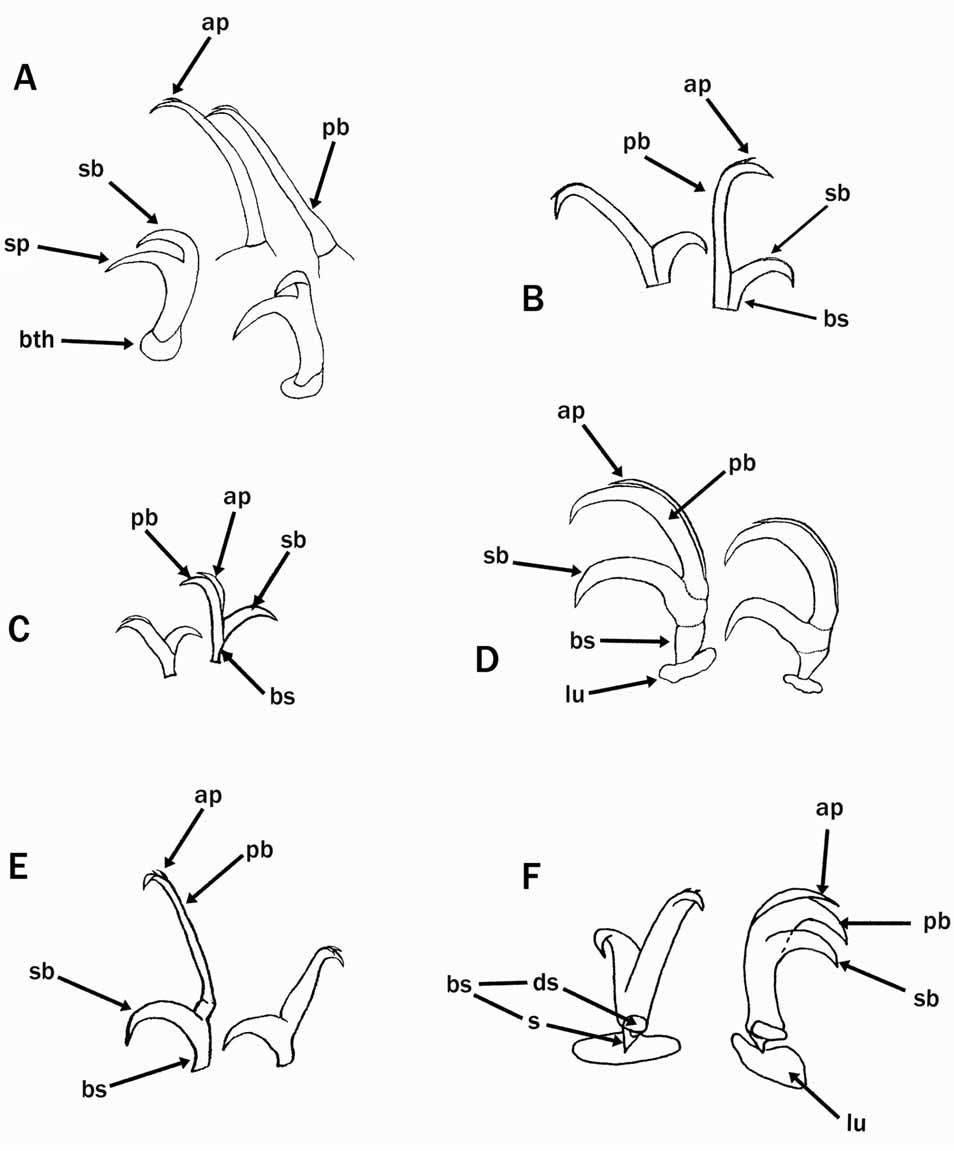
Hypsibiidae
The Hypsibiidae are a family of water bears or moss piglets, tardigrades in the class Eutardigrada.
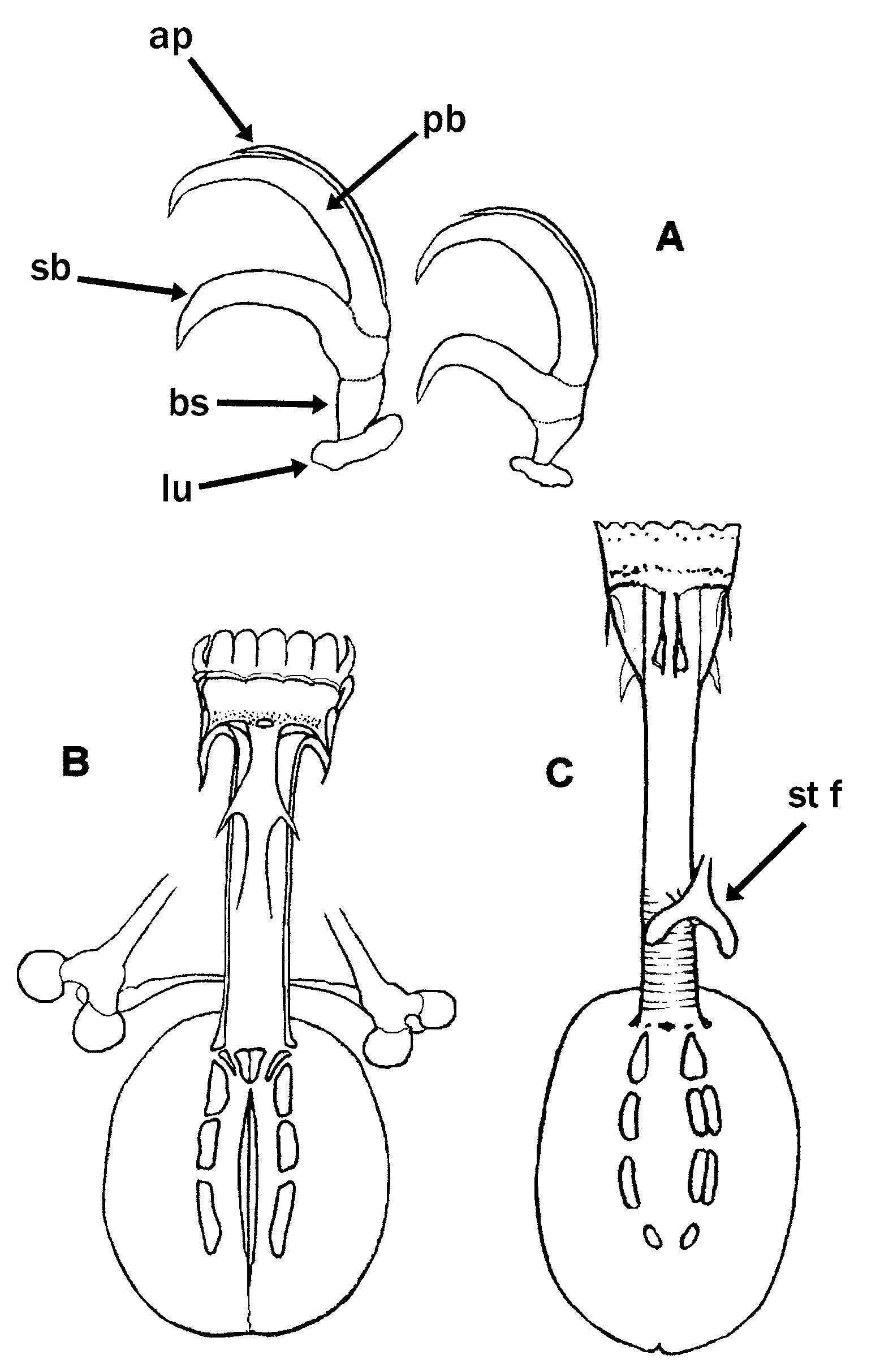
Eohypsibiidae
Eohypsibiidae is a family of water bear or moss piglet, tardigrades in the class Eutardigrada. It contains the following species in three genera:
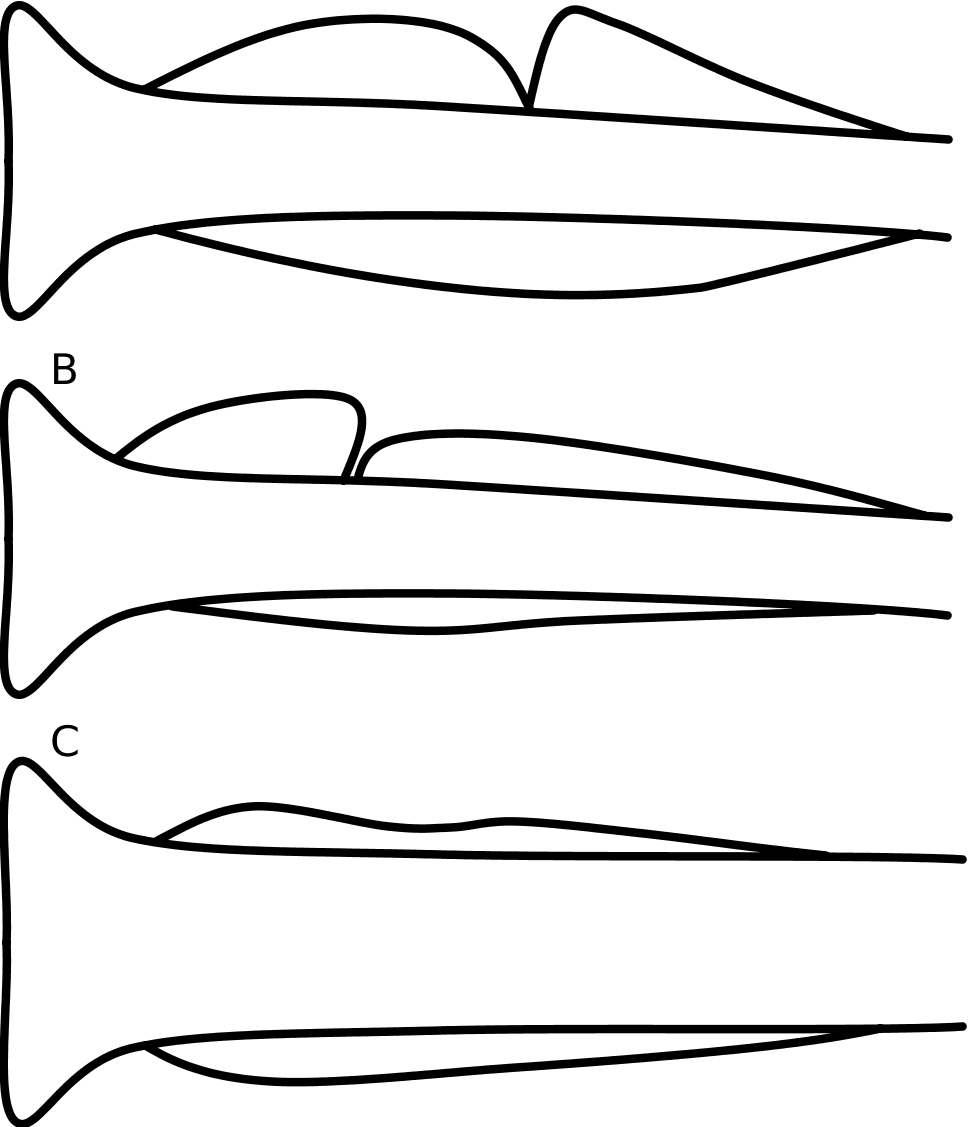
Microhypsibiidae
Microhypsibiidae is a family of tardigrades in the class Eutardigrada.
It contains the following species in two genera:
Fractonotus
Fractonotus caelatus (Marcus 1928)
Microhypsibius
Microhypsibius bertolanii Kristensen, 1982
Microhypsibius japonicus Ito, 1991
Microhypsibius minimus Kristensen, 1982
Microhypsibius truncatus Thulin, 1928
Deinococcota
Deinococcota (synonym, "Deinococcus-Thermus") is a phylum of bacteria with a single class, Deinococci (from Ancient Greek δεινός (deinós), meaning "terrible", and κόκκος (kókkos), meaning "berry"), that are highly resistant to environmental hazards, also known as extremophiles.

Hypsibius
Hypsibius is a genus of tardigrades in the class Eutardigrada.
Thermoacidophile
A thermoacidophile is an extremophilic microorganism that is both thermophilic and acidophilic; i.e., it can grow under conditions of high temperature and low pH. The large majority of thermoacidophiles are archaea (particularly the Thermoproteota and "Euryarchaeota") or bacteria, though occasional eukaryotic examples have been reported. Thermoacidophiles can be found in hot springs and solfataric environments, within deep sea vents, or in other environments of geothermal activity. They also occur in polluted environments, such as in acid mine drainage.
thumb|400x400px|Hot Spring in Yellowston
Mesocrista
Mesocrista is a genus of water bear or moss piglet, a tardigrade in the class Eutardigrada.

Doryphoribius
Doryphoribius is a genus of water bear or moss piglet, a tardigrade in the class Eutardigrada.
Astatumen
Astatumen is a genus of tardigrades in the class Eutardigrada found in Romania. Species of this genus were originally categorized in the genus Itaquascon until 1997.
Parascon
Parascon is a genus of water bear or moss piglet, a tardigrade in the class Eutardigrada.
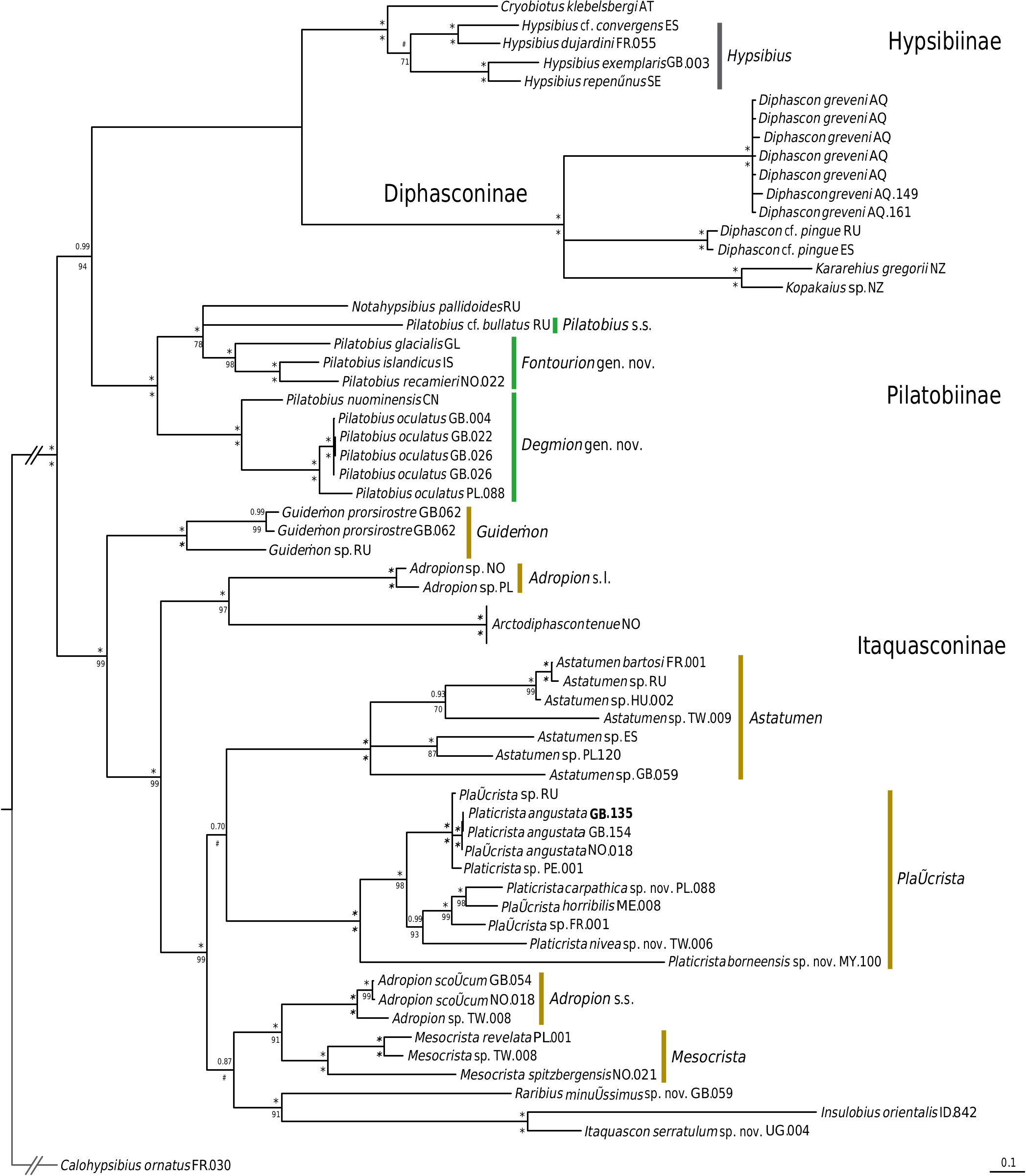
Platicrista
Platicrista is a genus of tardigrade in the class Eutardigrada.
Thermoproteota
The Thermoproteota are archaea that have been classified as a phylum of the domain Archaea. Initially, the Thermoproteota were thought to be sulfur-dependent extremophiles but recent studies have identified characteristic Thermoproteota environmental rRNA indicating the organisms may be the most abundant archaea in the marine environment. Originally, they were separated from the other archaea based on rRNA sequences; other physiological features, such as lack of histones, have supported this division, although some crenarchaea were found to have histones. Until 2005 all cultured Thermoproteota
Hebesuncus
Hebesuncus is a genus of water bear or moss piglet, a tardigrade in the class Eutardigrada.

Mixibius
Mixibius is a genus of water bear or moss piglet, a tardigrade in the class Eutardigrada.
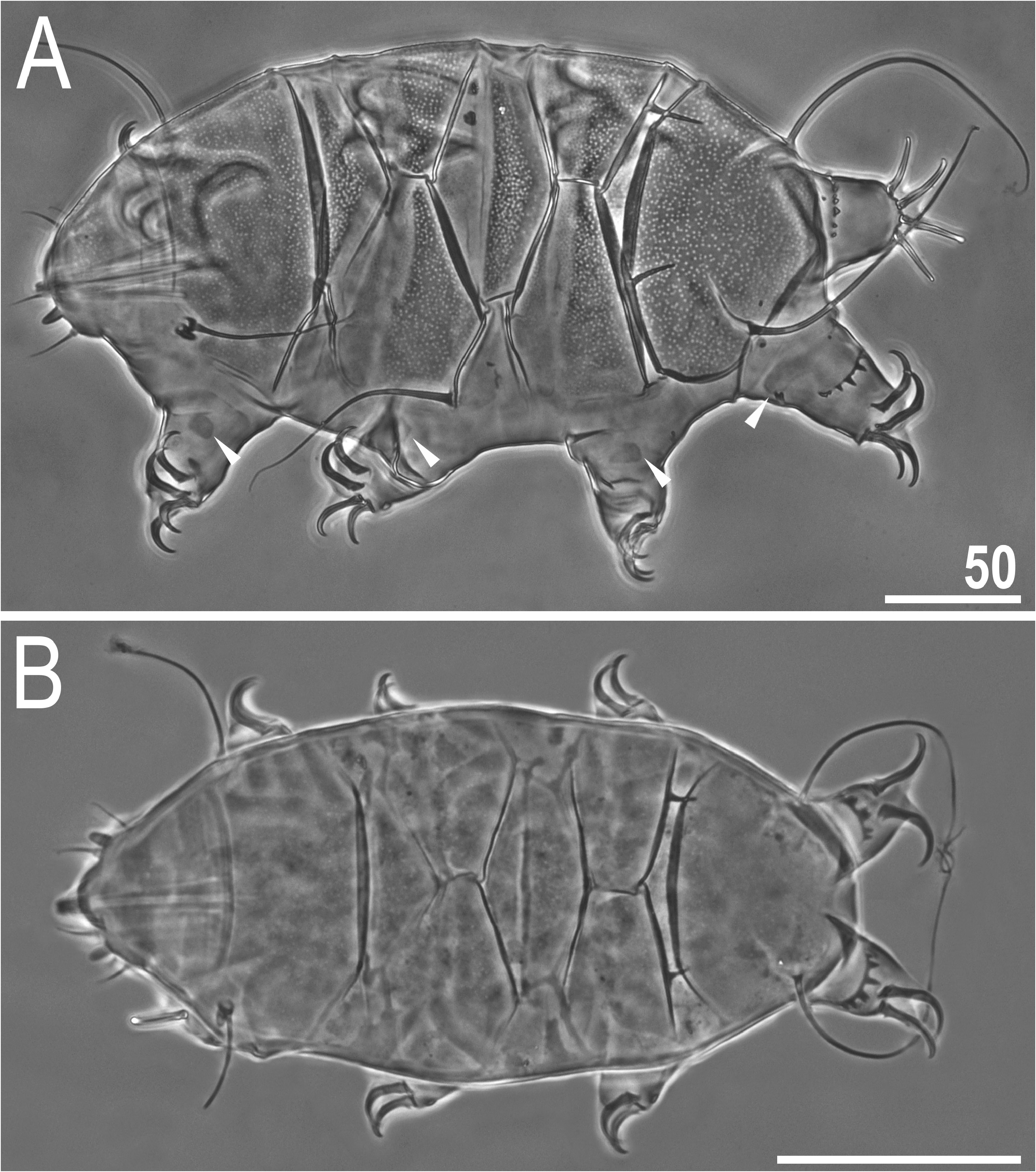
Echiniscus testudo
species of waterbears
Diphascon
Diphascon is a genus of water bear or moss piglet, a tardigrade in the class Eutardigrada.

Thulinius
Thulinius is a genus of water bear or moss piglet, a tardigrade in the class Eutardigrada.

Necopinatidae
Necopinatidae is a family of water bears or moss piglets, tardigrades in the class Eutardigrada.
It contains the following species in two genera
Apodibius
Apodibius confusus Dastych, 1983
Apodibius nuntius Binda, 1986
Apodibius richardi Vargha, 1995
Apodibius serventyi Morgan & Nicholls 1986
Necopinatum
Necopinatum mirabile Pilato, 1971

Isohypsibius
Isohypsibius is a genus of water bear or moss piglet, a tardigrade in the class Eutardigrada. The length of an isohypsibius tardigrade ranges from 0.1 millimeters to 1.5 millimeters. In addition to eating algae and plant cells, tardigrades also consume insect larvae and even other tardigrades. They live in a lot of places, like damp wooded areas with moss, lichens, leaf litter, and dirt. These animals can also be found in natural lakes and ponds.

Itaquascon
Itaquascon is a genus of tardigrade in the class Eutardigrada.
Halobiotus
Halobiotus is a genus of tardigrade in the class Eutardigrada.