Category
page 1Polyphemus

Polyphemus
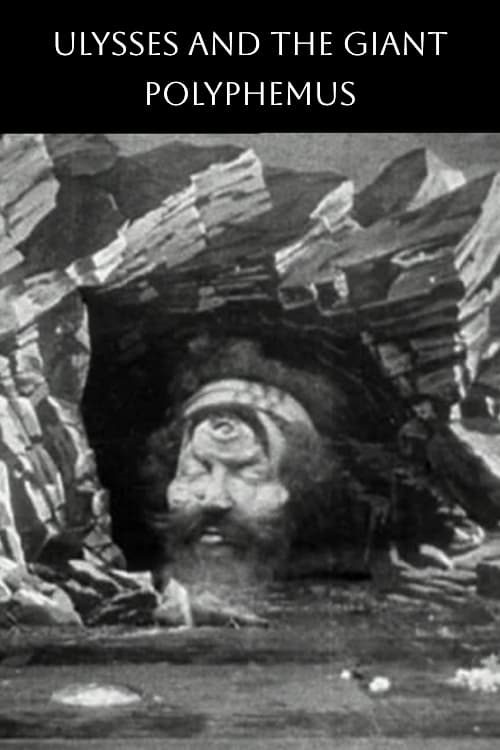
Polyphemus (; , ; ) is the one-eyed giant son of Poseidon and Thoosa in Greek mythology, one of the Cyclopes described in Homer's Odyssey. His name means "abounding in songs and legends", "many-voiced" or "very famous". Polyphemus first appeared as a savage man-eating giant in the ninth book of the Odyssey. The satyr play Cyclops by Euripides is dependent on this episode with some differences in the story and while also being more comedic in nature. Later Classical writers that presented him in their poems linked his name with the nymph Galatea as he tried to seduce her. Often he was portrayed
Cyclops
ancient Greek satyr play by Euripides
Thoosa
In Greek mythology, Thoosa (, ), also spelled Thoösa, was, according to Homer, the sea nymph daughter of the primordial sea god Phorcys, and the mother, by Poseidon, of the Cyclops Polyphemus.
%20(English).jpg)
Illyrius
thumb|right|235px|Illyrius and his kin
Acis and Galatea
masque by Handel (1718)
Acis and Galatea
couple in Greek mythology

Telemus
Telemus () was a figure of Greek mythology, a prophet, son of Eurymus or of Proteus and Psamathe. Telemus warned the Cyclops Polyphemus that he would lose his sight to a man named Odysseus.
Cyclopean Isles
island group
Acis et Galatée
opera by Jean-Baptiste Lully
The Mysterious Island
1905 film by Georges Méliès
Keltos
In Greek mythology, Celtus (; Keltos ) may refer to three various figures:
The Cyclops
painting by Odilon Redon
Landscape with Polyphemus
painting by Nicolas Poussin
Ismara
ancient site in Greece

Ulysses Against the Son of Hercules
1962 film by Mario Caiano
Ulysses deriding Polyphemus
painting by J. M. W. Turner
Sperlonga sculptures
Ancient Roman sculptures, rediscovered 1957
Polyphemos Painter
ancient Greek proto-attic Vase painter
Aci, Galatea e Polifemo
cantata
Jaci
river in eastern Sicily
Galas
In Greek mythology, Galas (; Ancient Greek: Γάλας Gálas) was the eponymous founder of the Gauls. He was the son of Polyphemos and Galatea and the brother of Illyrius and Celtus.
Polyphemus
sculpture by Auguste Rodin