Category
page 1Postmodern art

pop art
art movement

Minimalism

cyberpunk
Cyberpunk is a subgenre of science fiction set in a dystopian future. It is characterized by its focus on a combination of "low-life and high tech". It features a range of futuristic technological and scientific achievements, including artificial intelligence and cyberware, which are juxtaposed with societal collapse, dystopia or decay. A significant portion of cyberpunk can be traced back to the New Wave science fiction movement of the 1960s and 1970s. During this period, prominent writers such as Philip K. Dick, Michael Moorcock, Roger Zelazny, John Brunner, J. G. Ballard, Philip José Farmer

contemporary art
art produced from the 1940s to the present

conceptual art
contemporary art movement

new wave
music genre that encompasses pop-oriented styles from the late 1970s through the 1980s
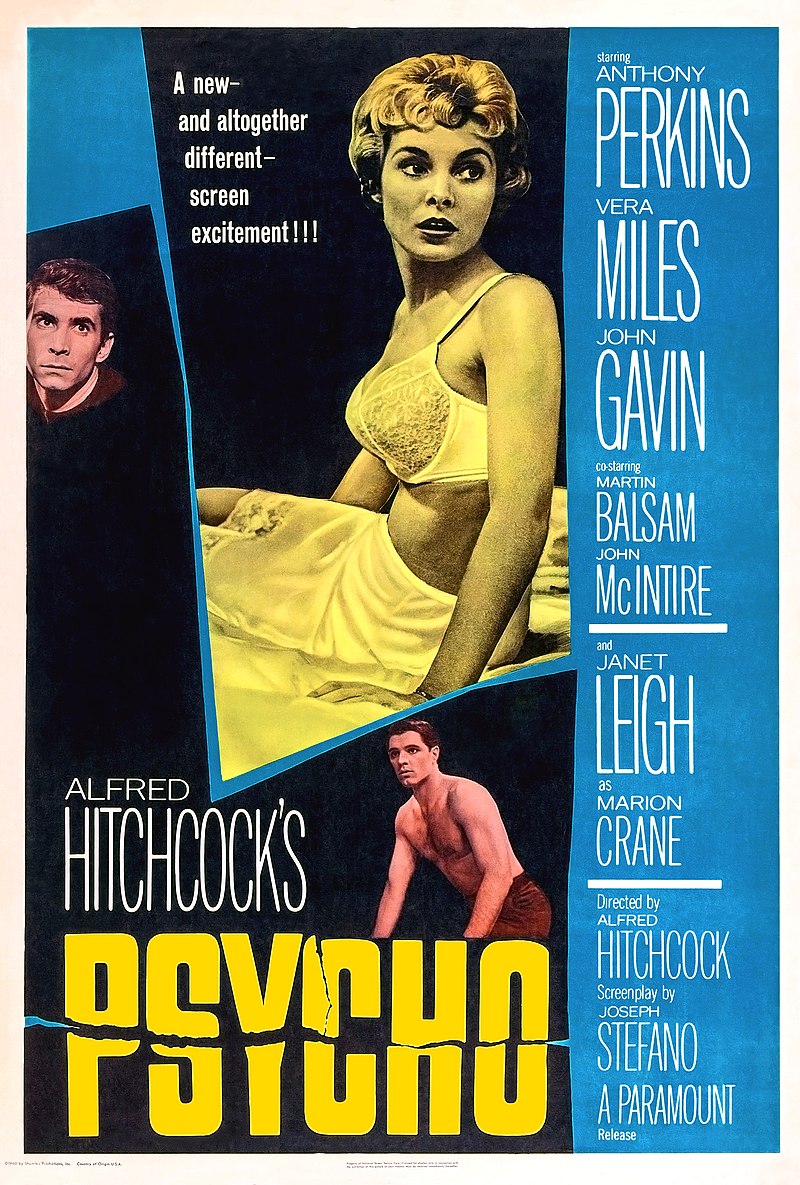
slasher film
subgenre of horror films involving a violent psychopath stalking and murdering a group of people, usually by use of bladed tools
art film
film genre
.jpg)
4′33″
4′33″ is a modernist composition by American experimental composer John Cage. It was composed in 1952 for any instrument or combination of instruments; the score instructs performers not to play their instruments throughout the three movements. It is divided into three movements, lasting 30 seconds, 2 minutes and 23 seconds, and 1 minute and 40 seconds, respectively, although Cage later stated that the movements' durations can be determined by the musician. As suggested by the title, the composition lasts 4 minutes and 33 seconds. It is marked by silence except for ambient sound, which is inte

neo-expressionism
Neo-expressionism is a style of late modernist or early-postmodern painting and sculpture that emerged in the late 1970s. Neo-expressionists were sometimes called Transavantgarde, Junge Wilde or Neue Wilden ('The new wild ones'; 'New Fauves' would better meet the meaning of the term). It is characterized by intense subjectivity and rough handling of materials.

simulacrum
thumb|Image of a real apple (left), and plastic food model apple (right). The fake apple is a simulacrum.
A simulacrum (: simulacra or simulacrums, from Latin simulacrum, meaning "likeness, semblance") is a representation or imitation of a person or thing. The word was first recorded in the English language in the late 16th century, used to describe a representation, such as a statue or a painting, especially of a god. By the late 19th century, it had gathered a secondary association of inferiority: an image without the substance or qualities of the original. Literary critic Fredric Jameson of
postmodern art
art movement
site-specific art
artwork created for a certain place
interactive art
art that involves the spectator
mail art
art movement coined in the 1960s
digital painting
type of art

maximalism
thumb|Studio Job Headquarters, [[Antwerp, Belgium, by Job Smeets, 2018]]
thumb|Vans (brand)|Vans Half Cab 33 DX 30th Anniversary shoes, an example of maximalist design
In the arts, maximalism is an aesthetic characterized by excess and abundance, serving as a reaction against minimalism. The philosophy can be summarized as "more is more", contrasting with the minimalist principle of "less is more".
Piss Christ
1987 photograph by Andres Serrano; depicts a small plastic crucifix submerged in a small glass tank of the artist's urine
computer art
art genre in which computers are used as a main tool in the creative process
defamiliarization
Defamiliarization or ostranenie () is the artistic technique of presenting to audiences common or ordinary things in an unfamiliar or strange way so they can gain new perspectives. According to the Russian formalists who coined the term, it is the central concept of art and poetry. The concept has influenced 20th-century art and theory, ranging over movements including Dadaism, postmodernism, epic theatre, science fiction, and philosophy. Additionally, it is used as a tactic by certain recent protest movements such as culture jamming.
cinéma du look
style of French films, common in 1980s
electronic art
art that uses or refers to electronic media

Superflat
Superflat is a postmodern art movement, founded by Japanese contemporary artist Takashi Murakami, which is influenced by manga and anime. However, superflat does not have an explicit definition because Takashi Murakami does not want to limit the movement, but rather leave room for it to grow and evolve over time.
postmodernist film
film genre

neo-pop
thumb|316x316px|A blend of Neo-pop and cartoon in Art in Tel Aviv|Tel Aviv street art.
postmodern dance
type of dance
institutional critique
artistic theme
polystylism
Polystylism is the use of multiple styles or techniques in literature, art, film, or, especially, music.
information art
emerging artforms inspired by data and information technology
Ukrainian New Wave
Movement in Ukrainian arts
Systems art
art influenced by cybernetics and systems theory
hyperlink cinema
multilinear filmmaking style
list of contemporary art museums
Wikimedia list article
extreme cinema
type of cinematography with extreme character
hysterical realism
pejorative term to describe certain realist-genre books
post-surrealism
Post-surrealism is a movement that arose in Southern California in 1934 when Helen Lundeberg and Lorser Feitelson wrote a manifesto explaining their desire to use art to convey the relationship between the perceptual and the conceptual.
collage film
film assembled entirely from found footage
cybernetic art
contemporary art form
Polish postmodernism