Category
page 1Postmodern novels

Lolita
Lolita is a 1955 novel written by Russian and American novelist Vladimir Nabokov. The protagonist and narrator is a French literature professor who moves to New England and writes under the pseudonym Humbert Humbert. He details his obsession with and victimization of a 12-year-old girl, Dolores Haze, whom he describes as a "nymphet". Humbert kidnaps and sexually abuses Dolores after becoming her stepfather. Privately, he calls her "Lolita", the Spanish diminutive for Dolores. The novel was written in English, but fear of censorship in the U.S. (where Nabokov lived) and Britain led to it being
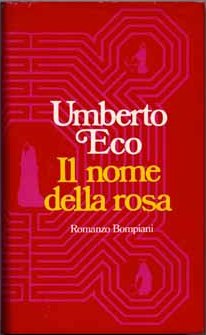
The Name of the Rose
1980 novel by Umberto Eco
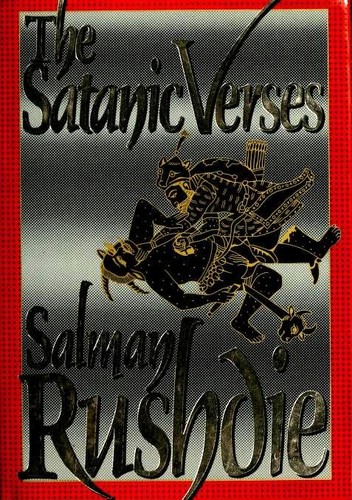
The Satanic Verses
1988 novel by Salman Rushdie
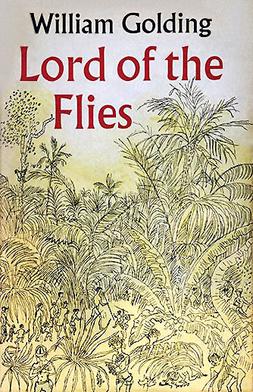
Lord of the Flies
Lord of the Flies is the 1954 debut novel of British author William Golding. The plot concerns a group of prepubescent British boys who are stranded on an uninhabited island and their disastrous attempts to govern themselves that lead to a descent into savagery. The novel's themes include morality, leadership, and the tension between civility and chaos.

Steppenwolf
1927 novel by Hermann Hesse
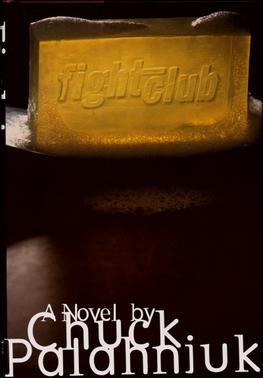
Fight Club
1996 novel by Chuck Palahniuk

The Unbearable Lightness of Being
1984 Czech novel by Milan Kundera
%20dust%20jacket%2C%20first%20edition.jpg)
Catch-22
Catch-22 is a satirical war novel by American author Joseph Heller. It was his debut novel. He began writing it in 1953; the novel was first published in 1961. Often cited as one of the most significant novels of the 20th century, it uses a distinctive non-chronological third-person omniscient narration, describing events from the points of view of different characters. The separate storylines are out of sequence so the timeline develops along with the plot.

On the Road
1957 novel by Jack Kerouac

A Series of Unfortunate Events
novel series by Lemony Snicket

Midnight's Children
1981 novel by Salman Rushdie
.jpg)
Slaughterhouse-Five
'''''Slaughterhouse-Five, or, The Children's Crusade: A Duty-Dance with Death''''' is a 1969 semi-autobiographic science fiction–infused anti-war novel by Kurt Vonnegut. It follows the life experiences of Billy Pilgrim, from his early years, to his time as an American soldier and chaplain's assistant during World War II, to the post-war years. Throughout the novel, Billy frequently travels back and forth through time. The protagonist deals with a temporal crisis as a result of his post-war psychological trauma. The text centers on Billy's capture by the German Army and his survival of the Alli

Kafka on the Shore
2002 novel by Haruki Murakami

Do Androids Dream of Electric Sheep?
science fiction novel by Philip K. Dick

The Man in the High Castle
1962 novel by Philip K. Dick

Blindness
1995 novel by José Saramago

My Name Is Red
1998 novel by Orhan Pamuk

Perfume
1985 novel by Patrick Süskind

The Road
2006 novel by Cormac McCarthy
.jpg)
1Q84
thumb|right|US edition of 1Q84, first published in 2011 by Knopf
is a novel written by Japanese writer Haruki Murakami, first published in three volumes in Japan in 2009–2010. It covers a fictionalized year of 1984 in parallel with a "real" one. The novel is a story of how a woman named Aomame begins to notice strange changes occurring in the world. She is quickly caught up in a plot involving Sakigake, a religious cult, and her childhood love, Tengo, and embarks on a journey to discover what is "real".

The Remains of the Day
1989 novel by Kazuo Ishiguro
Foucault's Pendulum
1988 Italian novel by Umberto Eco

Cat's Cradle
1963 novel by Kurt Vonnegut
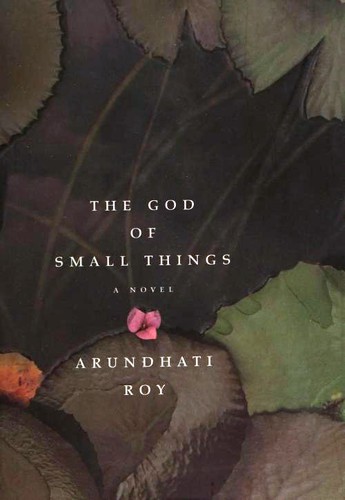
The God of Small Things
1997 novel by Arundhati Roy
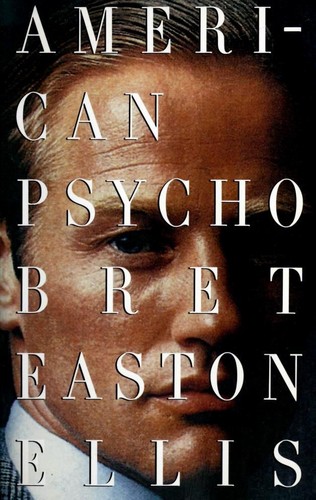
American Psycho
1991 novel by Bret Easton Ellis
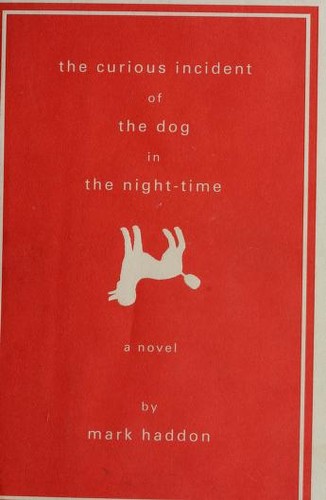
The Curious Incident of the Dog in the Night-Time
2003 novel by Mark Haddon

One Flew Over the Cuckoo's Nest
novel by Ken Kesey

The Autumn of the Patriarch
1975 novel by Gabriel García Márquez

Atonement
2001 novel by Ian McEwan
%2002.jpg)
Ubik
Ubik ( ) is a 1969 science fiction novel by American writer Philip K. Dick. The story is set in a future 1992 where psychic powers are utilized in corporate espionage, while cryonic technology allows recently deceased people to be maintained in a lengthy state of hibernation. It follows Joe Chip, a technician at a psychic agency who begins to experience strange alterations in reality that can be temporarily reversed by a mysterious store-bought substance called Ubik. This work expands upon characters and concepts previously introduced in the vignette "What the Dead Men Say".
A Wild Sheep Chase
1982 novel by Haruki Murakami
.jpg)
Baudolino
Baudolino is a novel by Umberto Eco about the adventures of a man named Baudolino in the known and mythical Christian world of the 12th century.

Hard-Boiled Wonderland and the End of the World
1985 novel by Haruki Murakami
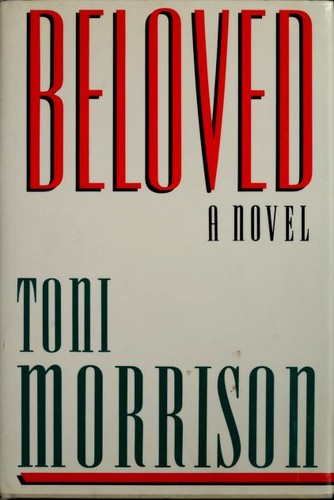
Beloved
novel by Toni Morrison
The Island of the Day Before
1994 novel by Umberto Eco
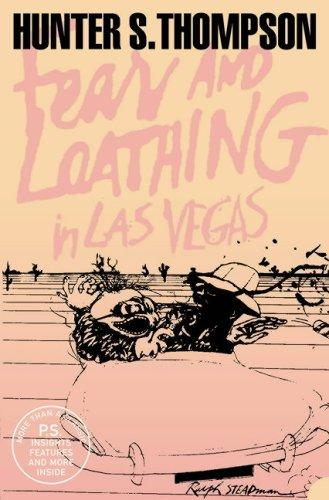
Fear and Loathing in Las Vegas
novel by Hunter S. Thompson

Discipline and Punish
essay by Michel Foucault

The Wind-Up Bird Chronicle
1994–1995 novel by Haruki Murakami

Breakfast of Champions
1973 novel by Kurt Vonnegut

Dance Dance Dance
1988 novel by Haruki Murakami

Hopscotch
novel by Julio Cortázar
The Mysterious Flame of Queen culona
2004 novel by Umberto Eco

The French Lieutenant's Woman
1969 novel by John Fowles

The Sirens of Titan
1959 novel by Kurt Vonnegut Jr.

Pale Fire
novel, in the form of a commentary on a poem, by Vladimir Nabokov
Dictionary of the Khazars
novel by Milorad Pavić

Sputnik Sweetheart
novel by Haruki Murakami

Snow Crash
1992 novel by Neal Stephenson

Killing Commendatore
2017 novel by Haruki Murakami

The Order of Things
non-fiction work by Michel Foucault

White Noise
1985 novel by Don DeLillo

2666
2004 novel by Roberto Bolaño
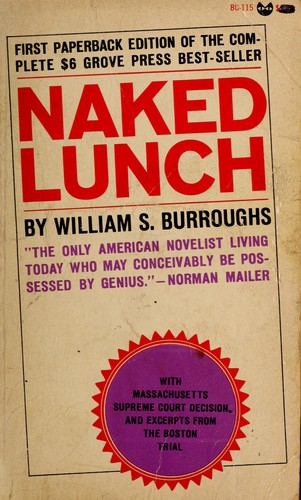
Naked Lunch
1959 novel by William S. Burroughs

The Sense of an Ending
2011 novel by Julian Barnes

Gravity's Rainbow
1973 novel by Thomas Pynchon

Extremely Loud & Incredibly Close
2005 novel by Jonathan Safran Foer

Infinite Jest
1996 novel by David Foster Wallace

Flow My Tears, the Policeman Said
1974 novel by Philip K. Dick

The Book of Laughter and Forgetting
1979 novel by Milan Kundera

If on a Winter’s Night a Traveler
1979 novel by Italo Calvino