Category
page 1Power station technology

nuclear power
power generated from nuclear reactions

nuclear reactor
device to initiate and control a sustained nuclear chain reaction
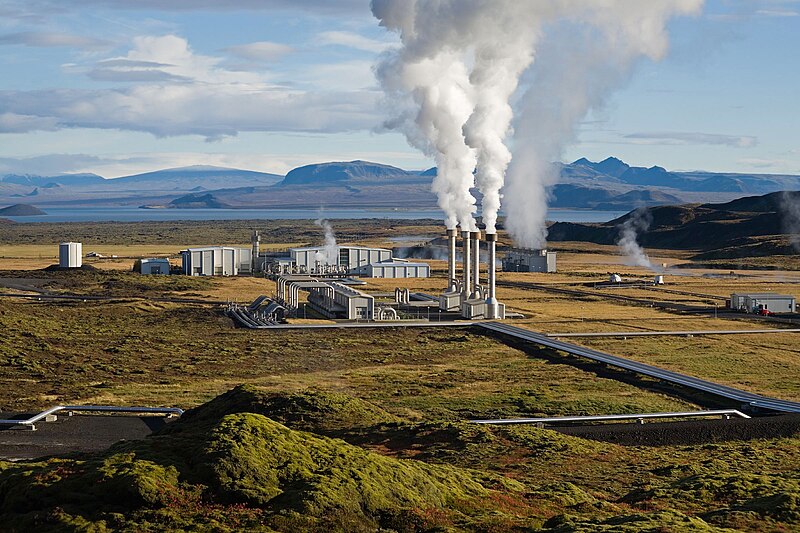
geothermal energy
thermal energy generated and stored in the Earth
.jpg)
hydropower
thumb|upright=1.3|The Three Gorges Dam in China; the hydroelectric dam is the world's largest power station by [[installed capacity.]]

thermal power station
facility where heat is converted to electric power

wave power
transport of energy by wind waves, and the capture of that energy to do useful work
ocean thermal energy conversion
renewable energy technology

gasification
Gasification is a process that converts biomass- or fossil fuel-based carbonaceous materials into gases, including as the largest fractions: dinitrogen (N2), carbon monoxide (CO), dihydrogen (H2), and carbon dioxide (). This is achieved by reacting the feedstock material at high temperatures (typically >700 °C), without combustion, via controlling the amount of oxygen and/or steam present in the reaction. The resulting gas mixture is called syngas (from synthesis gas) or producer gas and is itself a fuel due to the flammability of the H2 and CO of which the gas is largely composed. Power

Edith Clarke
American electrical engineer (1884–1959)
small hydro
hydroelectric project at the local level with a few MW production
distributed generation
decentralized energy generation from small energy sources
magnetohydrodynamic generator
magnetohydrodynamic converter that utilizes a Brayton cycle to transform thermal energy and kinetic energy directly into electricity
solar updraft tower
thermal convection power plant
integrated gasification combined cycle
thermodynamic cycle
geothermal power
electricity generated from geothermal energy
base load
minimum level of demand on an electrical grid
capacity factor
unitless ratio of an actual electrical energy output over a given period of time to the maximum possible electrical energy output over the same amount of time
nameplate capacity
intended full-load sustained output of a facility
floating wind turbine
offshore wind turbine mounted on a floating structure
fossil-fuel power station
facility that burns fossil fuels to produce electricity
peak demand
highest power demand on a grid in a specified time period
energy development
methods of energy production from various sources
Wells turbine
low-pressure air turbine
wave power station
installment of one or several wave power devices in one place

fluidized bed combustion
technology used to burn solid fuels
peaking power plant
power plant, that generally runs only when there is a high demand

comminution
thumb|Mineral crusher (left) used in 19th century [[Cornwall for comminution of tin ore; driven by water mill (right)]]

energy tower
device for producing electrical power
micro hydro
type of hydroelectric power that typically produces from 5 kW to 100 kW of electricity using the natural flow of water
boiler feedwater
water supplied to a boiler
black start
restoring of electric power station without external electric power
Repowering
Repowering is the process of replacing older power stations with newer ones that either have a greater nameplate capacity or more efficiency which results in a net increase of power generated. Repowering can happen in several different ways. It can be as small as switching out and replacing a boiler, to as large as replacing the entire system to create a more powerful system entirely. There are many upsides to repowering.
passive nuclear safety
nuclear power safety method
surface condenser
steam engine component which condenses excess steam for reuse as water
load following power plant
power plant that adjusts output based on demand
steam-electric power station
power plant, wherein the thermal energy is exploited by steam in a steam turbine
Transcritical cycle
closed thermodynamic cycle involving fluid
Enhanced geothermal system
type of geothermal electricity generation system
pico hydro
term used for hydroelectric power generation of under 5 kW
Boiler blowdown
wastewater removal of impurities from boilers
underground power station
type of hydroelectric power station
hybrid power
combinations between different technologies to generate electric power
availability factor
power plant's electricity production divided by time