Category
page 1Primary colors

red
Red is the color at the long wavelength end of the visible spectrum of light, next to orange and opposite violet. It has a dominant wavelength of approximately 625–750 nanometers. It is a primary color in the RGB color model and a secondary color (made from magenta and yellow) in the CMYK color model, and is the complementary color of cyan. Reds range from the brilliant yellow-tinged scarlet and vermillion to bluish-red crimson, and vary in shade from the pale red pink to the dark red burgundy.

green

yellow
Yellow is a color between green and orange on the spectrum of light. It is evoked by light with a dominant wavelength of roughly 575585 nm. It is a primary color in subtractive color systems, used in painting or color printing. In the RGB color model, used to create colors on television and computer screens, yellow is a secondary color made by combining red and green at equal intensity. Carotenoids give the characteristic yellow color to autumn leaves, corn, canaries, daffodils, and lemons, as well as egg yolks, buttercups, and bananas. They absorb light energy and protect plants from photo da

blue
cyan
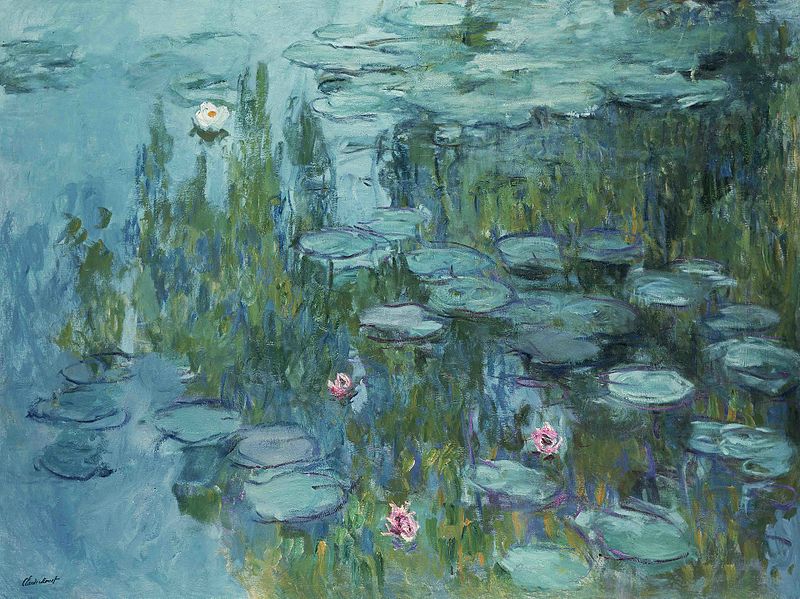
Cyan () is the color between blue and green on the visible spectrum of light. It is evoked by light with a predominant wavelength between 500 and 520 nm, between the wavelengths of green and blue.

magenta
Magenta is a purplish-red color. On color wheels of the RGB and CMYK color models, it is located directly midway between blue and red. It is one of the 4 colors of subtractive ink used in color printing by most color printers, also known as CMYK along with yellow, cyan, and black to make all the other colors and hues. The tone of magenta used in printing, printer's magenta, is redder than the magenta of the RGB (additive) model, the former being closer to rose.

primary color
sets of colors that can be combined to make a useful range of colors