Category
page 1Protein folding

amyloidosis
Amyloidosis is a group of diseases in which abnormal proteins, known as amyloid fibrils, build up in tissue. There are several non-specific and vague signs and symptoms associated with amyloidosis. These include fatigue, peripheral edema, weight loss, shortness of breath, palpitations, and feeling faint with standing.

John Michael Jumper
American chemist and AI expert
protein folding
the process of assisting in the covalent and noncovalent assembly of single chain polypeptides or multisubunit complexes into the correct tertiary structure
protein secondary structure
general three-dimensional form of local segments of proteins
protein domain
conserved part of a protein
protein tertiary structure
3D shape of protein molecule

AlphaFold
AlphaFold is an artificial intelligence (AI) program developed by DeepMind, a subsidiary of Alphabet, which performs predictions of protein structure. It is designed using deep learning techniques.
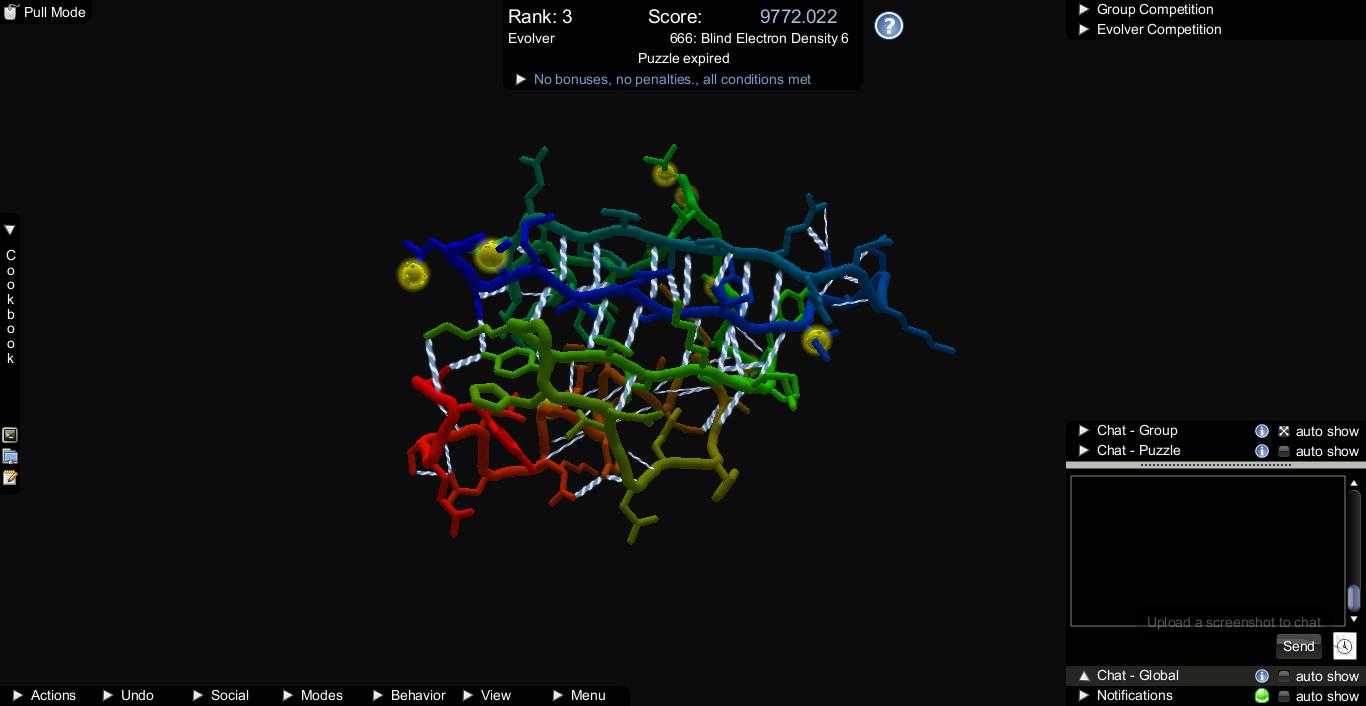
Foldit
Foldit is an online puzzle video game about protein folding. It is part of an experimental research project developed by the University of Washington, Center for Game Science, in collaboration with the UW Department of Biochemistry. The objective of Foldit is to fold the structures of selected proteins as perfectly as possible, using tools provided in the game. The highest scoring solutions are analyzed by researchers, who determine whether or not there is a native structural configuration (native state) that can be applied to relevant proteins in the real world. Scientists can then use these

Chaperonin Cpn60/TCP-1 family
Chaperonins, abbreviated Cpn, Cpn60, or HSP60, are a family of heat shock proteins that assist in the folding of newly synthesized proteins and refolding of misfolded proteins during stressful conditions such as high temperature. They are protein complexes consisting of about 16 protein subunits of ~60 kDa each. Chaperonins belong to a large class of molecules and complexes that assist protein folding, called molecular chaperones.

proteopathy
In medicine, proteinopathy ([pref. protein]; -pathy [suff. disease]; proteinopathies pl.; proteinopathic adj), or proteopathy, protein conformational disorder, or protein misfolding disease, is a class of diseases in which certain proteins become structurally abnormal, and thereby disrupt the function of cells, tissues and organs of the body.
proteostasis
Proteostasis is the dynamic regulation of a balanced, functional proteome. The proteostasis network includes competing and integrated biological pathways within cells that control the biogenesis, folding, trafficking, and degradation of proteins present within and outside the cell. Loss of proteostasis is central to understanding the cause of diseases associated with excessive protein misfolding and degradation leading to loss-of-function phenotypes, as well as aggregation-associated degenerative disorders. Therapeutic restoration of proteostasis may treat or resolve these pathologies.
ERAD pathway
protein catabolic pathway which targets endoplasmic reticulum-resident proteins for degradation by the cytoplasmic proteasome
protein dynamics
kinesin walking on a microtubule