Category
page 1Protostome subclasses

Echiura
thumb|right|120px|Echiurus

Digenea
Digenea (Gr. Dis – double, Genos – race) is a class of trematodes in the Platyhelminthes phylum, consisting of parasitic flatworms (known as flukes) with a syncytial tegument and, usually, two suckers, one ventral and one oral. Adults commonly live within the digestive tract, but occur throughout the organ systems of all classes of vertebrates. Once thought to be related to the Monogenea, it is now recognised that they are closest to the Aspidogastrea and that the Monogenea are more closely allied with the Cestoda. Around 6,000 species have been described to date.
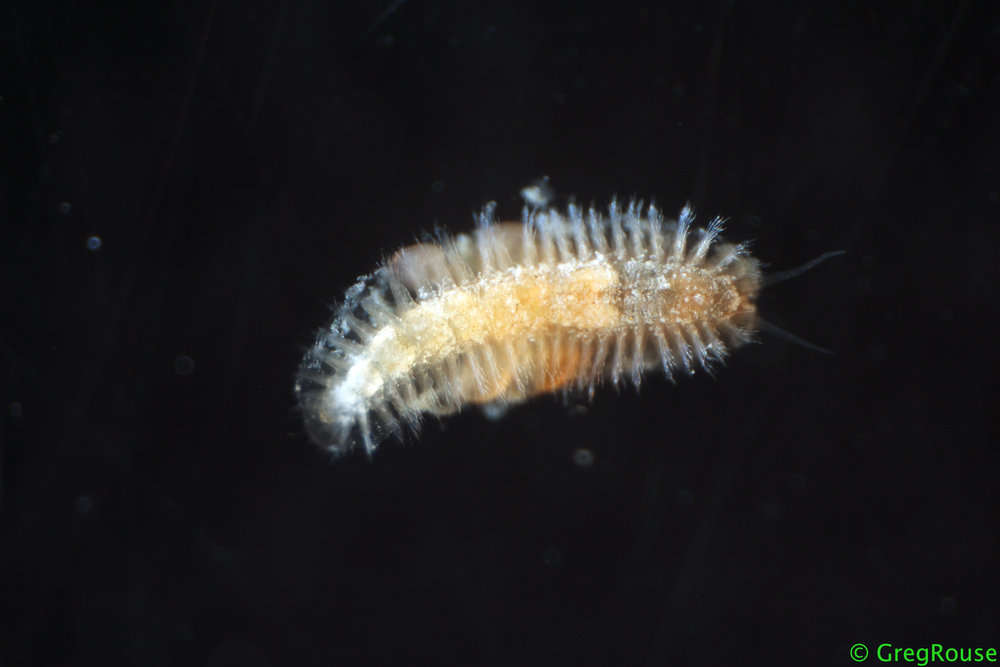
Errantia
Errantia is a diverse group of marine polychaete worms in the phylum Annelida. Traditionally a subclass of the paraphyletic class Polychaeta, it is currently regarded as a monophyletic group within the larger Pleistoannelida, composed of Errantia and Sedentaria. These worms are found worldwide in marine environments and brackish water.
Aspidogastrea
The Aspidogastrea (Ancient Greek: ' “shield”, ' “stomach/pouch”) is a small group of flukes comprising about 80 species. It is a subclass of the trematoda, and sister group to the Digenea. Species range in length from approximately one millimeter to several centimeters. They are parasites of freshwater and marine molluscs and vertebrates (cartilaginous and bony fishes and turtles). Maturation may occur in the mollusc or vertebrate host. None of the species has any economic importance, but the group is of very great interest to biologists because it has several characters which appear to be arc
Cestodaria
Cestodaria is one of two subclasses of the class Cestoda. The Cestodaria subclass is made up of Amphilinidea and Gyrocotylidea. The larvae have ten hooks on the posterior end.
Polyopisthocotylea
Polyopisthocotylea is a subclass of parasitic flatworms in the class Monogenea.
Monopisthocotylea
The Monopisthocotylea are an inferior class of parasitic flatworms in the class Monogenea.