Category
page 1Protostome unranked clades

Spiralia
The Spiralia are a morphologically diverse clade of protostome animals, including within their number the molluscs, annelids, platyhelminths and other taxa. The term Spiralia is applied to those phyla that exhibit canonical spiral cleavage, a pattern of early development found in most members of the Lophotrochozoa.
Ditrysia
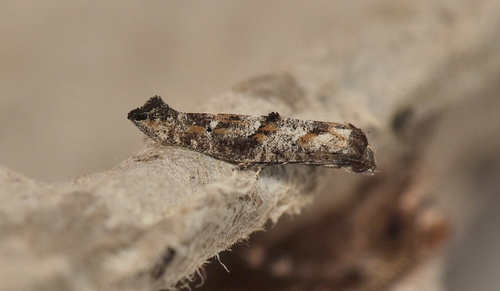
Ditrysia is a clade of lepidopterans that contains both butterflies and a majority of moth species. They are named for the fact that the female has two distinct sexual openings: one for mating, and the other for laying eggs.

Caenogastropoda
Caenogastropoda is a taxonomic subclass of molluscs in the class Gastropoda. It is a large diverse group which are mostly sea snails and other marine gastropod mollusks, but also includes some freshwater snails and some land snails. The subclass is the most diverse and ecologically successful of the gastropods.

Heterobranchia
Heterobranchia, the heterobranchs (meaning "different gill"), is a taxonomic clade of snails and slugs, which includes marine, aquatic, and terrestrial gastropod molluscs.

Cephalaspidea
The order Cephalaspidea, also known as the headshield slugs and bubble snails, is a major taxon of sea slugs and bubble snails, marine gastropod mollusks within the larger clade Euopisthobranchia. Bubble shells is another common name for these families of marine gastropods, some of which have thin bubble-like shells. This clade contains more than 600 species.
Gnathifera
clade of invertebrates
.jpg)
Euthyneura
Euthyneura is a taxonomic infraclass of snails and slugs, which includes species exclusively from marine, aquatic and terrestrial gastropod mollusks in the clade Heterobranchia. Euthyneurans are a diverse group, containing about 40% of the known species of gastropods, including the major land snail and slug clade Stylommatophora, which contains over 20,000 species, various sea slug lineages such as nudibranchs, the parasitic sea snail family Pyramidellidae, one of the most diverse families of gastropods with over 6,000 species, and several other lineages of snails and slugs from a variety of h
Schizophora
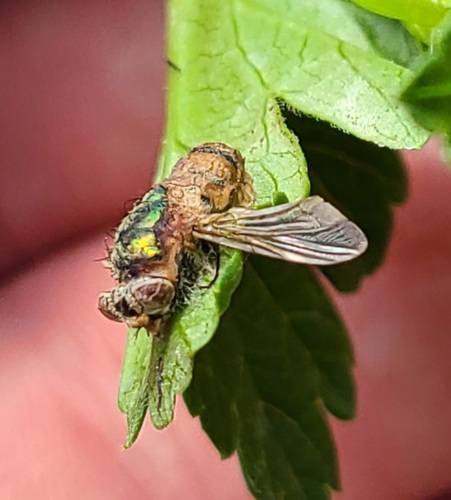
The Schizophora are a section of true flies containing 78 families, which are collectively referred to as muscoids, although technically the term "muscoid" should be limited to flies in the superfamily Muscoidea; this is an example of informal, historical usage persisting in the vernacular. The section is divided into two subsections, the Acalyptratae and Calyptratae, which are commonly referred to as acalyptrate muscoids and calyptrate muscoids, respectively.

Acalyptratae
The Acalyptratae or Acalyptrata are a subsection of the Schizophora, which are a section of the order Diptera, the "true flies". In various contexts the Acalyptratae also are referred to informally as the acalyptrate muscoids, or acalyptrates, as opposed to the Calyptratae. All forms of the name refer to the lack of calypters in the members of this subsection of flies. An alternative name, Acalypterae is current, though in minority usage. It was first used by Pierre-Justin-Marie Macquart in 1835 for a section of his tribe Muscides; he used it to refer to all acalyptrates plus scathophagids and
Neodermata
Neodermata is a clade of rhabditophoran flatworms containing the parasitic groups Trematoda, Monogenea and Cestoda.
Cyclorrhapha
Cyclorrhapha is an unranked taxon within the infraorder Muscomorpha. They are called "Cyclorrhapha" ('circular-seamed flies') with reference to the circular aperture through which the adult escapes the puparium. This is a circumscriptional name that has significant historical familiarity, but in the present classification, this name is synonymous with the more recent "Muscomorpha".
Brachiozoa
Brachiozoa is a grouping of lophophorate animals including Brachiopoda and Phoronida.
Myoglossata
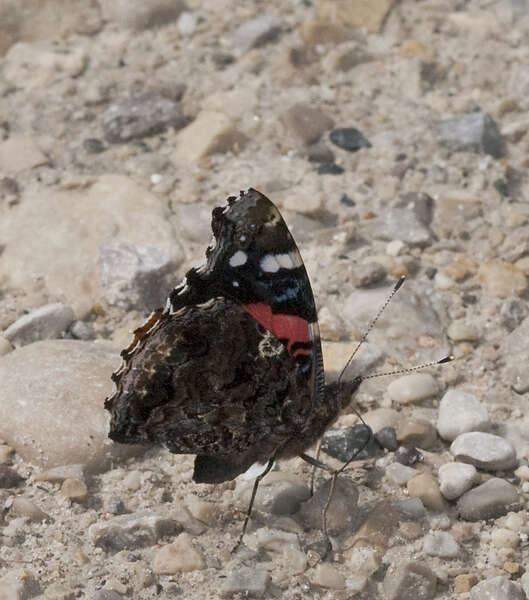
Myoglossata is a clade within suborder Glossata within order Lepidoptera, the butterflies and moths. It contains the family Neopseustidae and the clade Neolepidoptera. Myoglossata is considered a clade, that is, a group of organisms made up of a single common ancestor and all of its descendants. They are distinguished by "intrinsic mouthparts". These added intrinsic galeal muscles are unique to the Myoglossata and developed after the galeae changed to form sucking parts.
Neolepidoptera
Neolepidoptera () is a clade within Myoglossata in suborder Glossata of order Lepidoptera, the butterflies and moths. They differ from other Myoglossata in the larval stage abdominal prolegs, pupal morphology, and the mandibles are reduced in area. They also differ in their reproductive systems. The prolegs have muscles and apical hooklets. The reproductive organs have two openings. There are also differences in the wing structure. The pupae are "incomplete or obtect."
Platytrochozoa
The Platytrochozoa are a proposed basal clade of spiralian animals as the sister group of the Gnathifera. The Platytrochozoa were divided into the Rouphozoa and the Lophotrochozoa. A more recent study suggests that the mesozoans also belong to this group of animals, as sister of the Rouphozoa.
Syndermata
Syndermata or Trochata is a clade of animals that, in some systems, is considered synonymous with Rotifera. Older systems separate Rotifera and Acanthocephala as different phyla, and group them both under Syndermata. This clade is placed in the Gnathifera.