Category
page 1Psalms

Psalms
thumb|Scroll of the Psalms

hallelujah
thumb|900px|Hallelujah written in Modern Hebrew
Hallelujah (; , Modern ) is an interjection from the Hebrew language, used as an expression of gratitude to God. The term is used 24 times in the Tanakh (in the book of Psalms), twice in deuterocanonical books, and four times in the Christian Book of Revelation.

cherub
thumb|A tetramorph cherub, in [[Eastern Orthodox iconography]]
A cherub (; : cherubim; kərūḇ, pl. kərūḇīm) is one type of supernatural being in the Abrahamic religions. The numerous depictions of cherubim assign to them many different roles, such as protecting the entrance of the Garden of Eden.
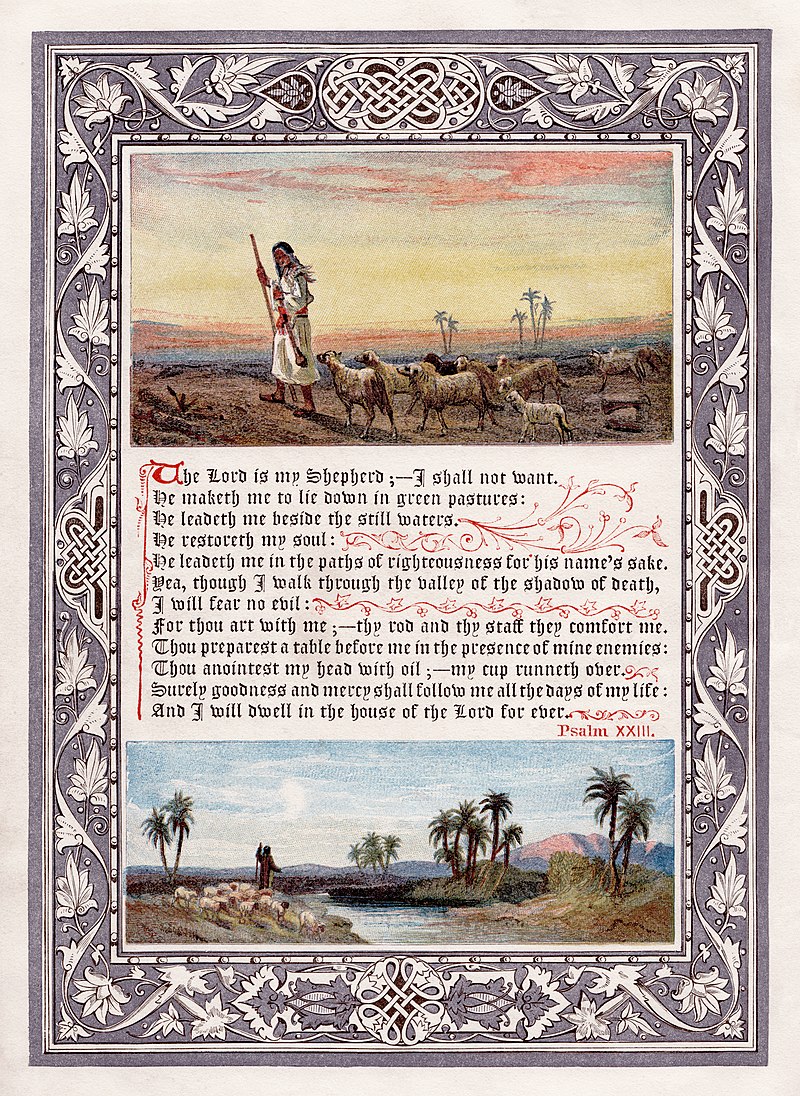
Psalm 23
Book of Psalms, chapter 23(total: 6)
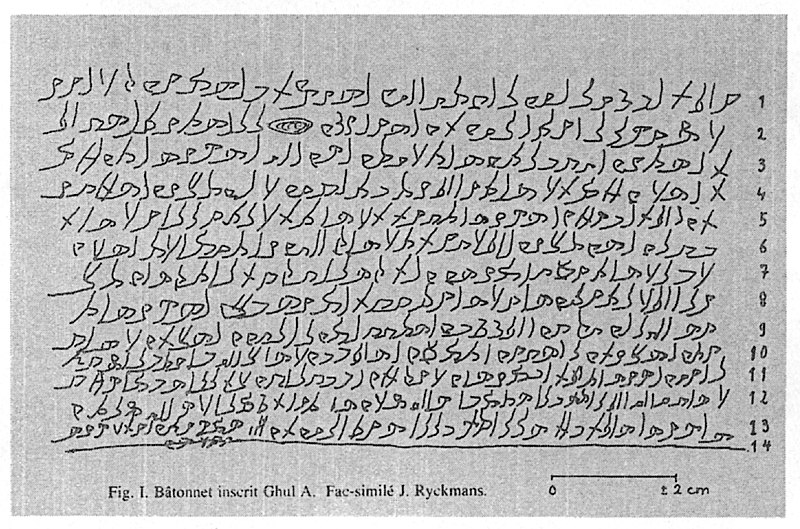
Zabur
book, mentioned in the Quran and hadith as revealed to Dawood (David); usually identified with the Book of Psalms
Psalm 1
Book of Psalms, chapter 1(total: 6)
Psalm 151
psalm ascribed to David found in the Septuagint but not in the Masoretic Text, regarded as canonical by the Eastern Orthodox Church
Psalms of Solomon
18 Jewish psalms compiled in the 1st century BCE that appear in some copies of the Septuagint and the Peshitta
Psalm 51
penitential psalm, numbered 51st in the Masoretic Text but 50th in the Septuagint and the Vulgate
Syrian wild ass
extinct subspecies of mammal
Psalm 130
one of the 15 Songs of Ascents in the Book of Psalms, numbered 130 in the Masoretic Text but 129 in the Septuagint and the Vulgate
Psalm 2
Book of Psalms, chapter 2(total: 12)

Ziz
thumb|300px|Clockwise from left: Behemoth (on earth), Ziz (in sky), and [[Leviathan (under sea). From an illuminated manuscript, 13th century AD.]]
The Ziz () is a giant griffin-like bird in Jewish mythology, said to be large enough to be able to block out the sun with its wingspan.
Psalm 91
psalm
opening of the mouth ceremony
ancient Egyptian Funerary Rite
Psalm 22
piece in the biblical Book of Psalms
Psalm 3
Book of Psalms, chapter 3 (total: 8)
Psalm 4
Book of Psalms, chapter 4(total: 8)
Psalm 8
Book of Psalms, chapter 8(total: 9)
Psalm 137
psalm in Book of Psalms
Psalm 5
Book of Psalms, chapter 5(total: 12)
Psalm 46
psalm
Psalm 150
Book of Psalms, chapter 150
Psalm 119
psalm
Psalm 20
Book of Psalms, chapter 20(total: 9)
Psalm 16
Book of Psalms, chapter 16(total: 11)
Psalm 6
penitential psalm, numbered 6th in the Masoretic Text, the Septuagint, and the Vulgate
Psalm 7
Book of Psalms, chapter 7(total: 17)
Psalm 110
psalm
Psalm 13
Book of Psalms, chapter 13(total: 6)
Psalm 9
first half of an acrostic psalm, numbered 9th in the Masoretic Text and regarded as the first half of the 9th psalm in the Septuagint and the Vulgate
Psalms 152–155
set of obscure ancient prayers
Psalm 14
Book of Psalms, chapter 14(total: 7)
Psalm 32
penitential psalm, numbered 23nd in the Masoretic Text but 31st in the Septuagint and the Vulgate
Psalm 149
psalm
Psalm 12
Book of Psalms, chapter 12(total: 8)
Psalm 21
Book of Psalms, chapter 21(total: 13)
Psalm 29
Book of Psalms, chapter 29 (total: 11)
Psalm 27
Book of Psalms, chapter 27(total: 14)
Psalm 121
psalm
Psalm 117
Book of Psalms, chapter 117
Psalm 72
psalm
Psalm 42
psalm
Psalm 19
Book of Psalms, chapter 19(total: 14)
Psalm 15
Book of Psalms, chapter 15(total: 5)
Psalm 25
acrostic psalm, numbered 25th in the Masoretic Text but 24th in the Septuagint and the Vulgate
Psalm 82
psalm
Psalm 11
Book of Psalms, chapter 11(total: 7)
Psalm 30
Book of Psalms, chapter 30 (total: 12)
.JPG)
selah
(; ) is a word used 74 times in the Hebrew Bible. Its etymology and precise meaning are unknown, though various interpretations have been proposed.
Psalm 127
psalm in the Book of Psalms
Psalm 31
Book of Psalms, chapter 31 (total:24)
Psalm 84
psalm
Psalm 69
piece in the biblical Book of Psalms
Psalm 141
psalm in the biblical Book of Psalms
Papyrus Oxyrhynchus 5101
fragmentary manuscript
Psalm 148
148th Psalm in the Christian and Hebrew Bibles
Psalm 90
psalm
Psalm 33
Book of Psalms, chapter 33 (total:22)
Psalm 47
psalm