Category
page 1Pseudomonadales

Pseudomonas aeruginosa
species of bacterium
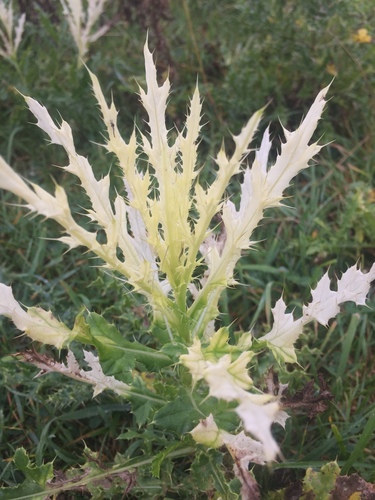
Pseudomonas
Pseudomonas is a genus of Gram-negative bacteria belonging to the family Pseudomonadaceae in the class Gammaproteobacteria. The 348 members of the genus demonstrate a great deal of metabolic diversity and consequently are able to colonize a wide range of niches and hosts. Their ease of culture in vitro and availability of an increasing number of Pseudomonas strain genome sequences has made the genus an excellent focus for scientific research; the best studied species include P. aeruginosa in its role as an opportunistic human pathogen, the plant pathogen P. syringae, the soil bacterium P. puti
.jpg)
Azotobacter
thumb|Azotobacter beijerinckii on agar plate

Pseudomonas syringae
species of bacterium

Pseudomonadales
The Pseudomonadales are an order of Pseudomonadota. A few members are pathogens, such as species of Pseudomonas, Moraxella, and Acinetobacter, which may cause disease in humans, animals and plants.
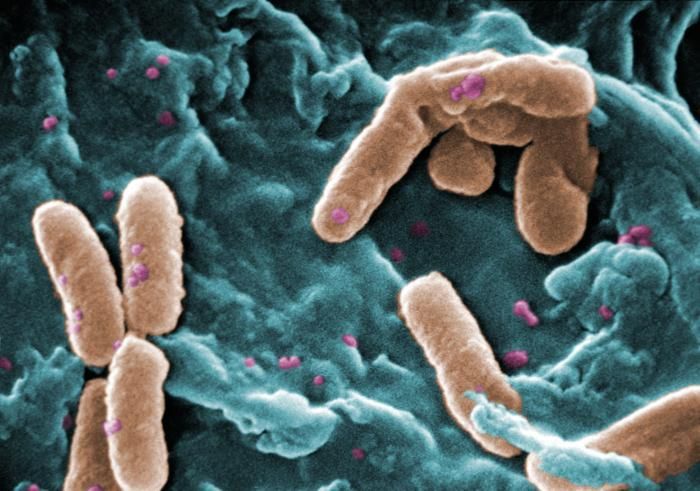
Pseudomonadaceae
The Pseudomonadaceae are a family of bacteria which includes the genera Azomonas, Azorhizophilus, Azotobacter, Mesophilobacter, Pseudomonas (the type genus), and Rugamonas. The family Azotobacteraceae was recently reclassified into this family.

Pseudomonas fluorescens
species of bacterium

Pseudomonas putida
species of bacterium
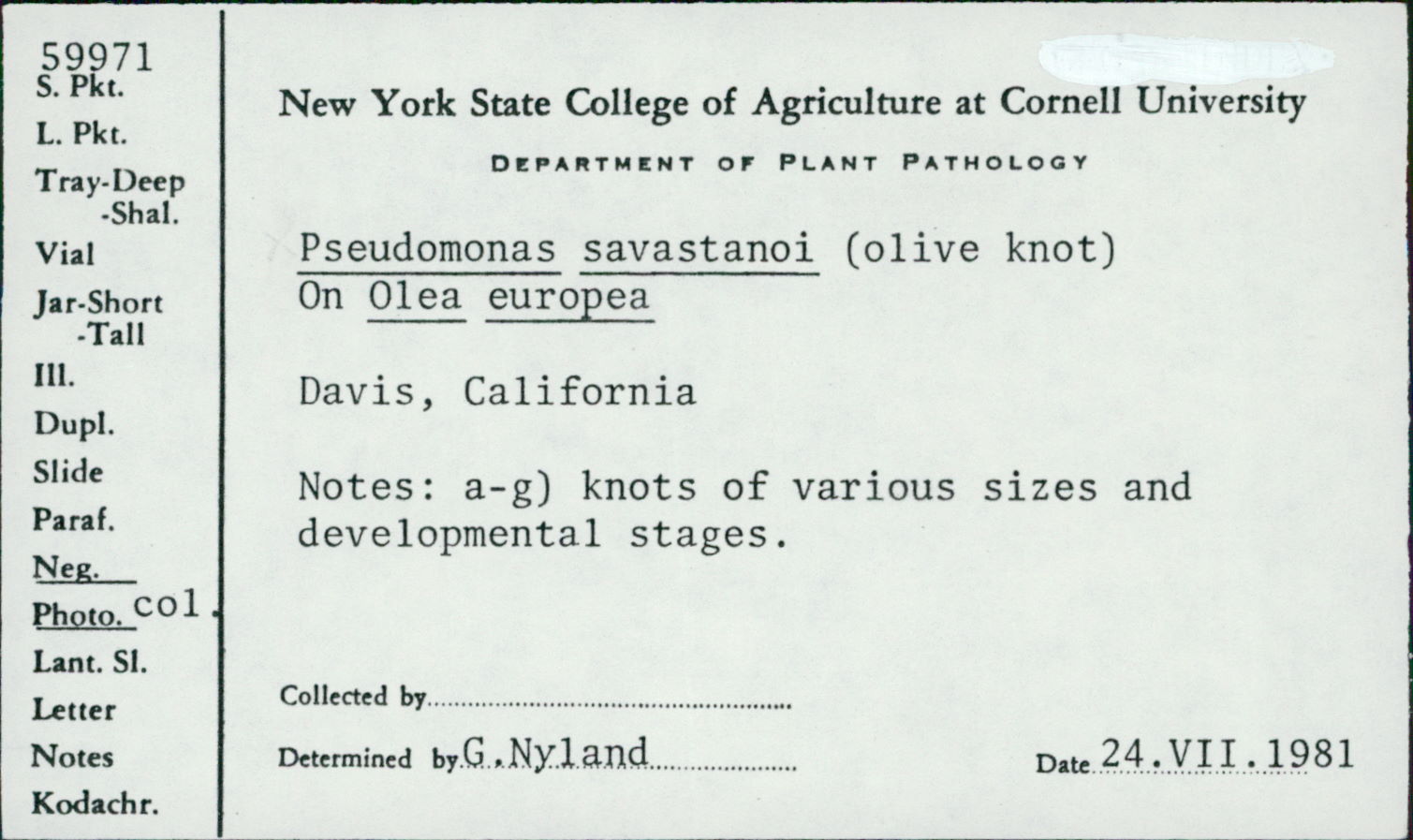
Pseudomonas savastanoi
species of bacterium
Azotobacter chroococcum
species of bacterium
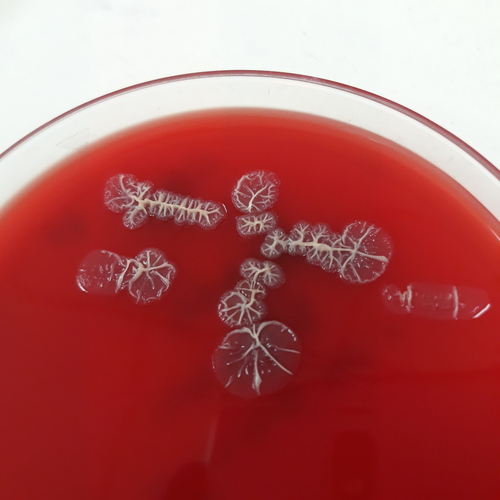
Pseudomonas stutzeri
species of bacterium
Azomonas
Azomonas species are typically motile, oval to spherical, and secrete large quantities of capsular slime. They are distinguished from Azotobacter by their inability to form cysts, but like Azotobacter, they can biologically fix nitrogen under aerobic conditions (diazotrophs).
Azotobacter vinelandii
species of bacterium
Pseudomonas fulva
species of bacterium

Pseudomonas marginalis
species of bacterium
Pseudomonas corrugata
species of bacterium
Rhizobacter
Rhizobacter is a bacterial genus from the class Gammaaproteobacteria order Pseudomonadales. It is a plant pathogenic bacterium and, like a few other phytopathogenic bacteria, produces tumors in infected plants. It appears to have an extremely wide host range, producing tumors (galls) on the roots, stems and tubers of at least 46 species of plants from 24 families, which includes many economically important species such as tomato (Solanum lycopersicum) and cabbage (Brassica oleracea). The type species, Rhizobacter dauci was first identified causing carrot bacterial gall in Japan and was describ
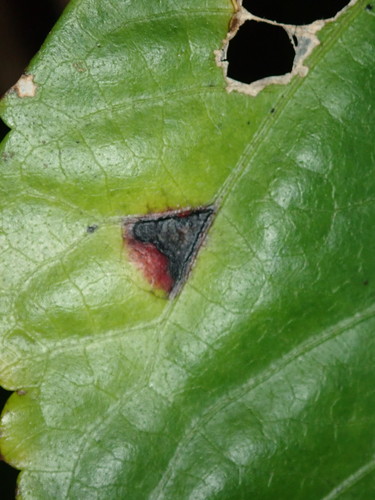
Pseudomonas cichorii
species of bacterium

Pseudomonas cannabina
species of bacterium
Azomonas agilis
species of bacterium