Category
page 1Psychodynamics
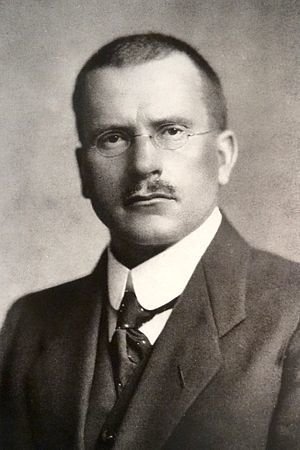
Carl Jung
Swiss psychiatrist and psychotherapist (1875–1961)

libido
The libido or sex drive ( ; , "lust, desire") refers to a psychological energy that, in common parlance, encompasses all forms of sexual desire, but is sometimes also regarded as the driving force behind other needs, such as a mother's love for her infant. The term was originally developed by the Austrian neurologist Sigmund Freud, the pioneer of psychoanalysis. Initially it referred only to specific sexual needs, but he later expanded the concept to a universal desire, with the id being its "great reservoir". As driving energy behind all life processes, libido became the source of the social

id, ego and super-ego
psychologist concepts by Sigmund Freud
psychological repression
keeping out from consciousness ideas or impulses that are unacceptable to it
transference
Transference () is a phenomenon within psychotherapy in which repetitions of old feelings, attitudes, desires, or fantasies that someone displaces are subconsciously projected onto a here-and-now person. Traditionally, it had solely concerned feelings from a primary relationship during childhood.
regression
mental defence mechanism

psychodynamics
300px|thumb|right|Front row: Sigmund Freud, [[G. Stanley Hall, Carl Jung; Back row: Abraham A. Brill, Ernest Jones, Sándor Ferenczi, at: Clark University in Worcester, Massachusetts. Date: September 1909.]]
Psychodynamics, also known as psychodynamic psychology, in its broadest sense, is an approach to psychology that emphasizes systematic study of the psychological forces underlying human behavior, feelings, and emotions and how they might relate to early experience. It is especially interested in the dynamic relations between conscious motivation and unconscious motivation.

lovesickness
Lovesickness is the mental state brought on by the personal experience of unrequited love, or unrequited limerence (also known as infatuated love or being smitten).: "The English language lacked a noun singular for the state of being love smitten, or having fallen in love, until Dorothy Tennov (1979) coined the term, limerence, to fill the void. It is formally defined as follows:
psychodynamic psychotherapy
form of psychoanalysis and / or depth psychology
countertransference
Countertransference is a widely established concept originating in Freudian psychotherapy, in which a therapist's own history and emotions affect how they feel about and treat the patient. It can be a response to transference, in which the patient's history affects how they feel about and react to the therapist.
abreaction
Abreaction () is a psychoanalytical term for reliving an experience to purge it of its emotional excesses—a type of catharsis. Sometimes it is a method of becoming conscious of repressed traumatic events.
narcissistic defences
processes whereby the idealized aspects of the self are preserved, and its limitations denied
censorship
Freudian barrier between the conscious and the unconscious
resistance
oppositional behavior when an individual's unconscious defenses of the ego are threatened by an external source
Lovestruck
Being lovestruck means having mental and physical symptoms associated with falling in love: "Love-struck ... means to be hit by love ... you are hit in your heart by the emotion of love".
mentalization-based treatment
psychotherapy, with aspects of psychodynamic, cognitive-behavioral, systemic and ecological approaches
paradoxical intention
Psychotherapical method