Category
page 1Puberty

adolescence
250px|thumb|right|Two adolescents listening to music using earphones

acne
Acne, also known as acne vulgaris, is a long-term skin condition that occurs when dead skin cells and sebum clog hair follicles. Typical features of the condition include blackheads or whiteheads, pimples, oily skin, and possible scarring. It primarily affects skin with a relatively high number of oil glands, including the face, upper part of the chest, and back. The resulting appearance can lead to lack of confidence, anxiety, reduced self-esteem, and, in extreme cases, depression or thoughts of suicide.

puberty

estrogen
Estrogen (American English) or oestrogen (Commonwealth English; see spelling differences) is a category of sex hormone responsible for the development and regulation of the female reproductive system and secondary sex characteristics. There are three major endogenous estrogens that have estrogenic hormonal activity: estrone (E1), estradiol (E2), and estriol (E3). Estradiol, an estrane, is the most potent and prevalent. Another estrogen called estetrol (E4) is produced only during pregnancy.

pubic hair
hair in the frontal genital area of adolescent and adult humans
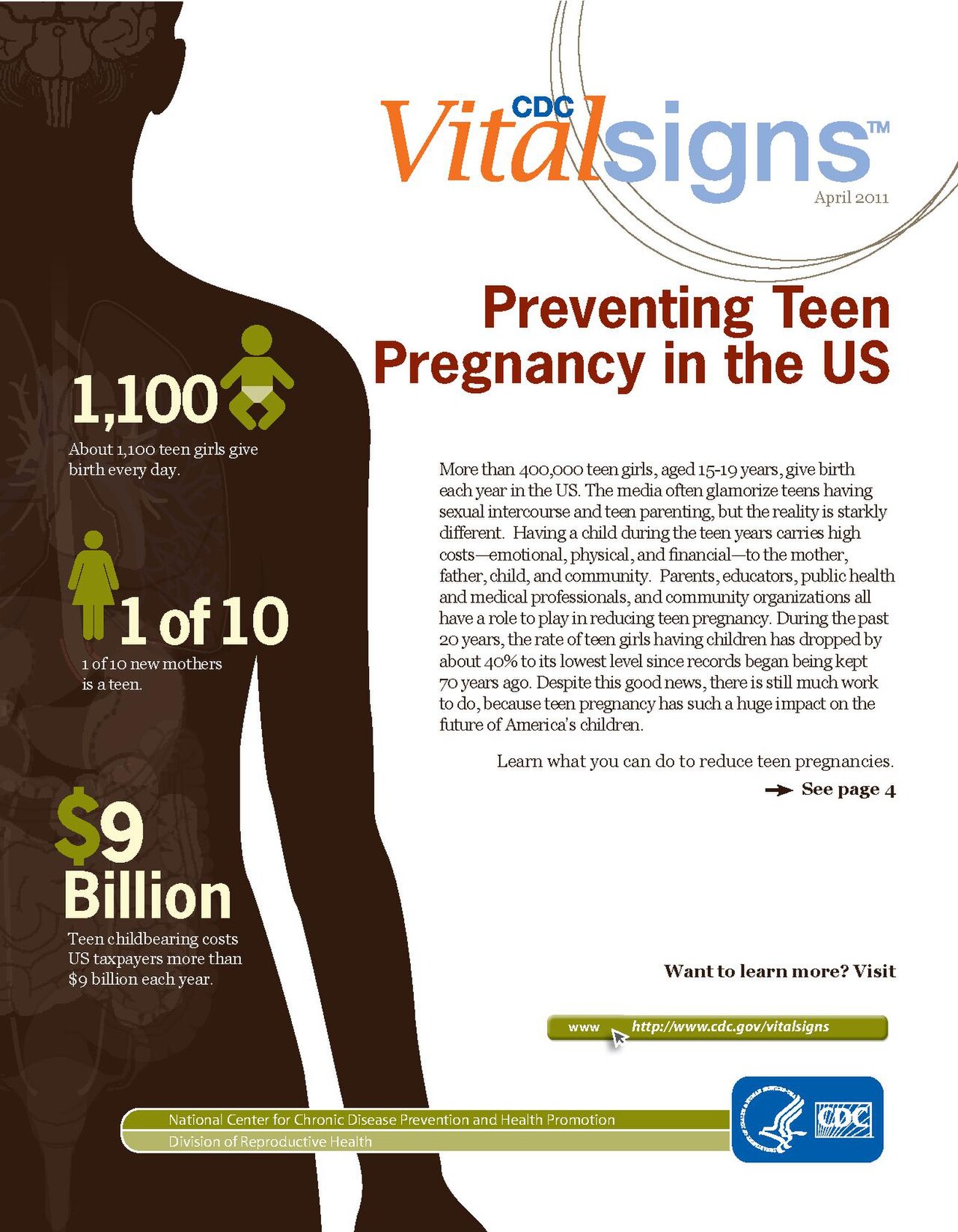
teenage pregnancy
pregnancy in human females between the ages of 13 and 19 inclusive

comedo
A comedo (plural comedones) is a clogged hair follicle (pore) in the skin. Keratin (skin debris) combines with oil to block the follicle. A comedo can be open (blackhead) or closed by skin (whitehead) and occur with or without acne. The word comedo comes from Latin comedere 'to eat up' and was historically used to describe parasitic worms; in modern medical terminology, it is used to suggest the worm-like appearance of the expressed material.
sexual maturity
portion of a life cycle in which an organism is capable of sexual reproduction

menarche
Menarche ( ; ) is the first menstrual cycle, or first menstrual bleeding, in female humans. From both social and medical perspectives, it is often considered the central event of female puberty, as it signals the possibility of fertility. Girls experience menarche at different ages, but the most common age is 12. Having menarche occur between the ages of 9–14 in the West is considered normal.
hebephilia
Hebephilia is the strong, persistent sexual interest by adults in pubescent children who are in early adolescence, typically ages 11–14 and showing Tanner stages 2 to 3 of physical development. It differs from pedophilia (the primary or exclusive sexual interest in prepubescent children), and from ephebophilia (the primary sexual interest in later adolescents, typically ages 15–18). While individuals with a sexual preference for adults may have some sexual interest in pubescent-aged individuals, researchers and clinical diagnoses have proposed that hebephilia is characterized by a sexual prefe

preadolescence
Preadolescence is a stage of human development following middle childhood and preceding adolescence. It commonly ends with the beginning of puberty. Preadolescence is commonly defined as ages 9–12 ending with the major onset of puberty. It may also be defined as simply the 2-year period before the major onset of puberty. Preadolescence can bring its own challenges and anxieties.
voice change
deepening of the voice of people as they reach puberty
Tanner scale
physical development scale of children, adolescents, and adults
delayed puberty
human disease
Baligh
In Islamic legal terminology, bāligh (, adult) or mukallāf (, responsible) or muhallāq (, tendril, mentally matured) or murāhiq (, adolescent) or muhtalim (, pubescent) refers to someone who has reached maturity or puberty, and has full responsibility under Islamic law.
spermarche
Spermarche, also known as semenarche, is the time at which a male experiences his first ejaculation. It is considered to be the male counterpart of menarche in females. Depending on upbringing, cultural differences, and prior sexual knowledge, males may have different reactions to spermarche, ranging from fear to excitement. Spermarche is one of the first events in the life of a male leading to sexual maturity. It occurs at the time when the secondary sex characteristics are just beginning to develop. Researchers have had difficulty determining the onset of spermarche because it is reliant on
puberty blocker
medication to inhibit puberty
mammary gland development
The process whose specific outcome is the progression of the mammary gland over time, from its formation to the mature structure.

Gonadarche
Gonadarche () refers to the earliest gonadal (reproductive gland) changes of puberty. In response to pituitary gonadotropins, the ovaries in females and the testes in males begin to grow and increase the production of the sex steroids, especially estradiol and testosterone. The ovary and testis have receptors, follicle cells and leydig cells, respectively, where gonadotropins bind to stimulate the maturation of the gonads and secretion of estrogen and testosterone. Certain disorders can result in changes to timing or nature of these processes.
Tuber cinereum hamartoma
Human disease
fertility preservation
providing future reproductive opportunities before a medical treatment with known risk of loss of fertility