Category
page 1Public relations techniques

news conference
media event where newsmakers meet journalists
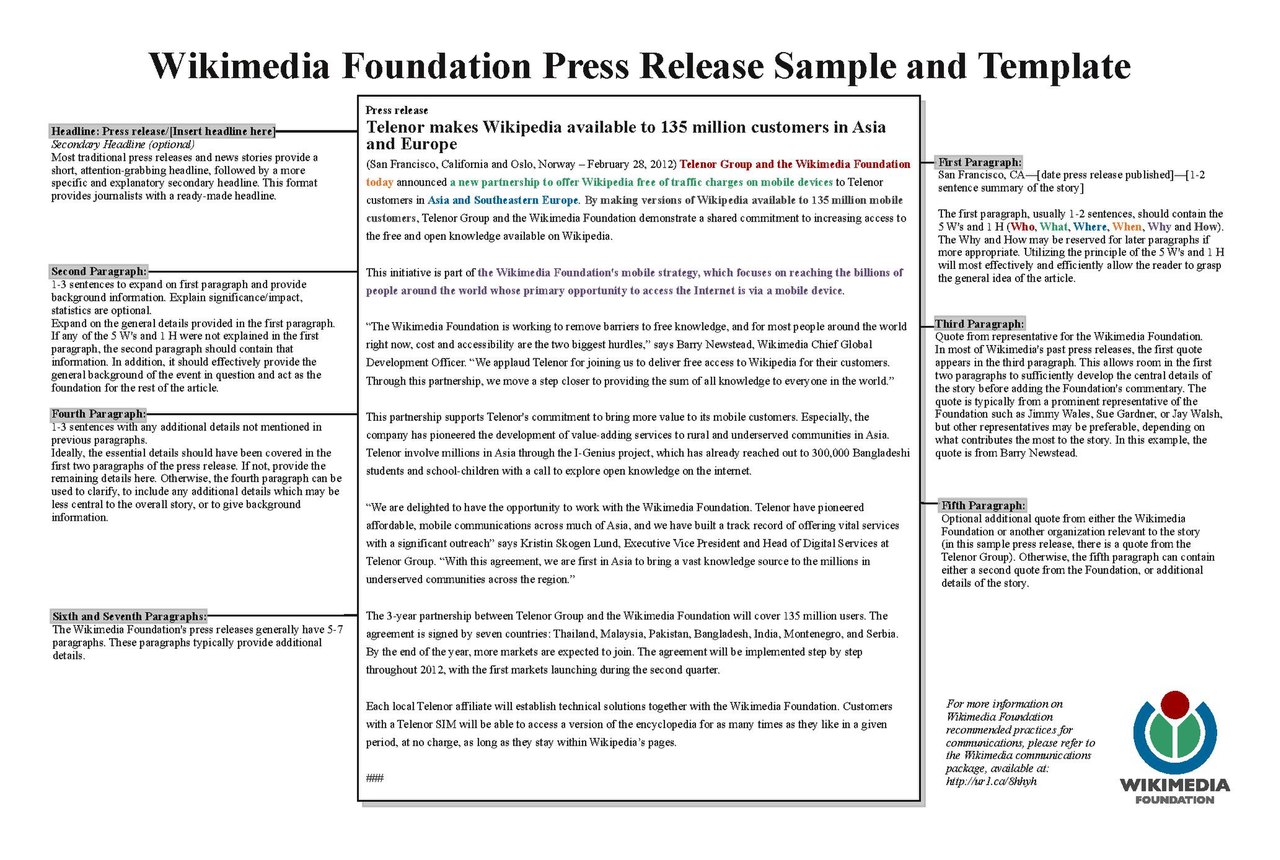
press release
official statement issued by an organization or individual to the media or the public with the intention of informing the public about specific news or events
cherry picking
fallacy of incomplete evidence
astroturfing
Astroturfing is the deceptive practice of hiding the sponsors of an orchestrated message or organization to make it appear as though it originates from, and is supported by, unsolicited grassroots participants. It is a practice intended to give the statements or organizations credibility by withholding information about the source's financial backers.
.jpg)
denialism
thumb|Anti-denialist banner at the 2017 Climate March in Washington, D.C.
50 Cent Party
term for internet commentators who are paid to sway public opinion for the Chinese Communist Party
Russian web brigades
Russian state-sponsored Internet commentators
panel discussion
group of people gathered to discuss a topic in front of an audience
press kit
set of documents containing press releases, photographs, and background information on an event or creative work
publicity stunt
planned event to gain the attention of the mass media in order to spread one's message

exaggeration
thumb|250px|right|1796 fashion caricature by Richard Newton (caricaturist)|Richard Newton parodying a woman's headdress, gown style and extra-slim tights using exaggeration
sound bite
short clip of speech or music extracted from a longer piece of audio, often used to promote or exemplify the full length piece
reputation management
the act of influencing, controlling, enhancing, or concealing of an individual's or group's reputation
understatement
Understatement is an expression of lesser strength than what the speaker or writer actually means or than what is normally expected. It is the opposite of embellishment or exaggeration, and is used for emphasis, irony, hedging, or humor. A particular form of understatement using negative syntax is called litotes. This is not to be confused with euphemism, where a polite phrase is used in place of a harsher or more offensive expression.
advocacy journalism
genre of journalism
non-apology apology
A non-apology, sometimes called a backhanded apology, empty apology, nonpology, or fauxpology, is a statement in the form of an apology that does not express remorse for what was done or said, or assigns fault to those ostensibly receiving the apology. It is common in politics and public relations.
minimisation
type of deception

photo op
photograph opportunity as media event
Team Jorge
Hacker team specialized on political manipulations such as election
Succès de scandale
term
cyberwarfare by Russia
various types of cyberwarfare used by Russia against many nations