Category
page 1Pucciniomycotina

Pucciniomycetes
Pucciniomycetes (formerly known as Urediniomycetidae) is a diverse class of fungi in the subphylum Pucciniomycotina of phylum Basidiomycota. The class contains 5 orders, 21 families, 190 genera, and approximately 8,016 species. It has been estimated that this class contains about one third of all teleomorphic basidiomycetes. Pucciniomycetes contains many economically important plant pathogenic fungal rusts; the order Pucciniales (formerly Uredinales) is the largest clade in this class, representing approximately 7,000 species.
Pucciniomycotina
Pucciniomycotina is a subdivision of fungus within the division Basidiomycota. The group was known as Urediniomycetes until 2006, when it was elevated from a class to a subdivision and named after the largest order in the group, Pucciniales.
Microbotryomycetes
The Microbotryomycetes are a class of fungi in the subdivision Pucciniomycotina of the Basidiomycota. The class currently contains eight orders, plus three additional, unassigned families (Chrysozymaceae, Colacogloeaceae, and Mycogloiocolacaceae), plus seven additional, unassigned genera (Oberwinklerozyma, Pseudohyphozyma, Reniforma, Spencerozyma, Trigonosporomyces, Vonarxula, and Yunzhangia). Many species are known only from their yeast states. Species with hyphal states typically produce auricularioid (laterally septate) basidia and are often parasitic on other fungi or plants. Several speci

Mixia osmundae
The Mixiomycetes are a class of fungi in the Pucciniomycotina subdivision of the Basidiomycota. The class contains a single order, the Mixiales, which in turn contains a single family, the Mixiaceae that circumscribes the monotypic genus Mixia. Only one species has been described to date, Mixia osmundae; this species was originally named Taphrina osmundae by Japanese mycologist Toji Nishida in 1911. It is characterized by having multinucleate hyphae, and by producing multiple spores on sporogenous cells.
Cystobasidiomycetes
The Cystobasidiomycetes are a class of fungi in the subdivision Pucciniomycotina of the Basidiomycota. Most species are known from their yeast states; hyphal states, when present, produce auricularioid (laterally septate) basidia and are frequently (possibly always) parasites of other fungi. The class contains five orders (Buckleyzymales, Cystobasidiales, Erythrobasidiales, Naohideales, and Sakaguchiales) as well as two families (Microsporomycetaceae and Symmetrosporaceae) and one genus (Queiroziella) of uncertain disposition. An additional order, Cyphobasidiales, has been proposed to accommod
Agaricostilbomycetes
The Agaricostilbomycetes are a class of fungi in the subdivision Pucciniomycotina of the Basidiomycota. The class consists of a single order, six families, and 15 genera. Its type genus, Agaricostilbum was originally placed in Ascomycota, and later, Agaricomycotina, before being placed in Pucinniomycotina.
Cryptomycocolacaceae
The Cryptomycocolacomycetes are a class of fungi in the Pucciniomycotina subdivision of the Basidiomycota. The class contains a single order, the Cryptomycocolacales, which in turn contains the single family Cryptomycocolacaceae. The family has two monotypic genera.
Atractiellomycetes
The Atractiellomycetes are class of fungi in the Pucciniomycotina subdivision of the Basidiomycota. The class consists of a single order, the Atractiellales, which contains 3 families, 10 genera, and 58 species.
Classiculaceae
REDIRECT Classiculomycetes
%20Pat%20205222.jpg)
Helicobasidium
Helicobasidium is a genus of fungi in the subdivision Pucciniomycotina. Basidiocarps (fruit bodies) are corticioid (patch-forming) and are typically violet to purple. Microscopically they have auricularioid (laterally septate) basidia. Asexual anamorphs, formerly referred to the genus Thanatophytum, produce sclerotia. Conidia-bearing anamorphs are parasitic on rust fungi and are currently still referred to the genus Tuberculina.
Platygloeaceae
The Platygloeaceae are a family of fungi in the class Pucciniomycetes. Species in the family have auricularioid basidia (tubular with lateral septa) and are typically plant parasites on angiosperms, though Platygloea species appear to be saprotrophic.

Eocronartiaceae
The Eocronartiaceae are a family of fungi in the class Pucciniomycetes. Species in the family have auricularioid basidia (tubular with lateral septa) and are typically plant parasites on ferns and mosses.

Septobasidium
Septobasidium is a fungal genus within the family Septobasidiaceae. Approximately 175 described species are associated with this genus. 227 records are listed by Species Fungorum.
Platygloeales
The Platygloeales are an order of fungi in the class Pucciniomycetes. Species in the order have auricularioid basidia (tubular with lateral septa) and are typically plant parasites on mosses, ferns, and angiosperms, though Platygloea species appear to be saprotrophic.

Septobasidiaceae
The Septobasidiales are an order of rust fungi in the class Pucciniomycetes. It contains the single family Septobasidiaceae, which itself comprises six genera: Aphelariopsis (with 1 species), Auriculoscypha (with 1 species), Coccidiodictyon (with 1 species), Johncouchia (with 1 species), Septobasidium (with about 200 species) and lastly, Uredinella (with 2 species).
Classiculomycetes
The Classiculomycetes are a class of fungi in the Pucciniomycotina subdivision of the Basidiomycota. The class contains a single order, the Classiculales, which in turn contains the single family Classiculaceae. The family contains two monotypic genera.
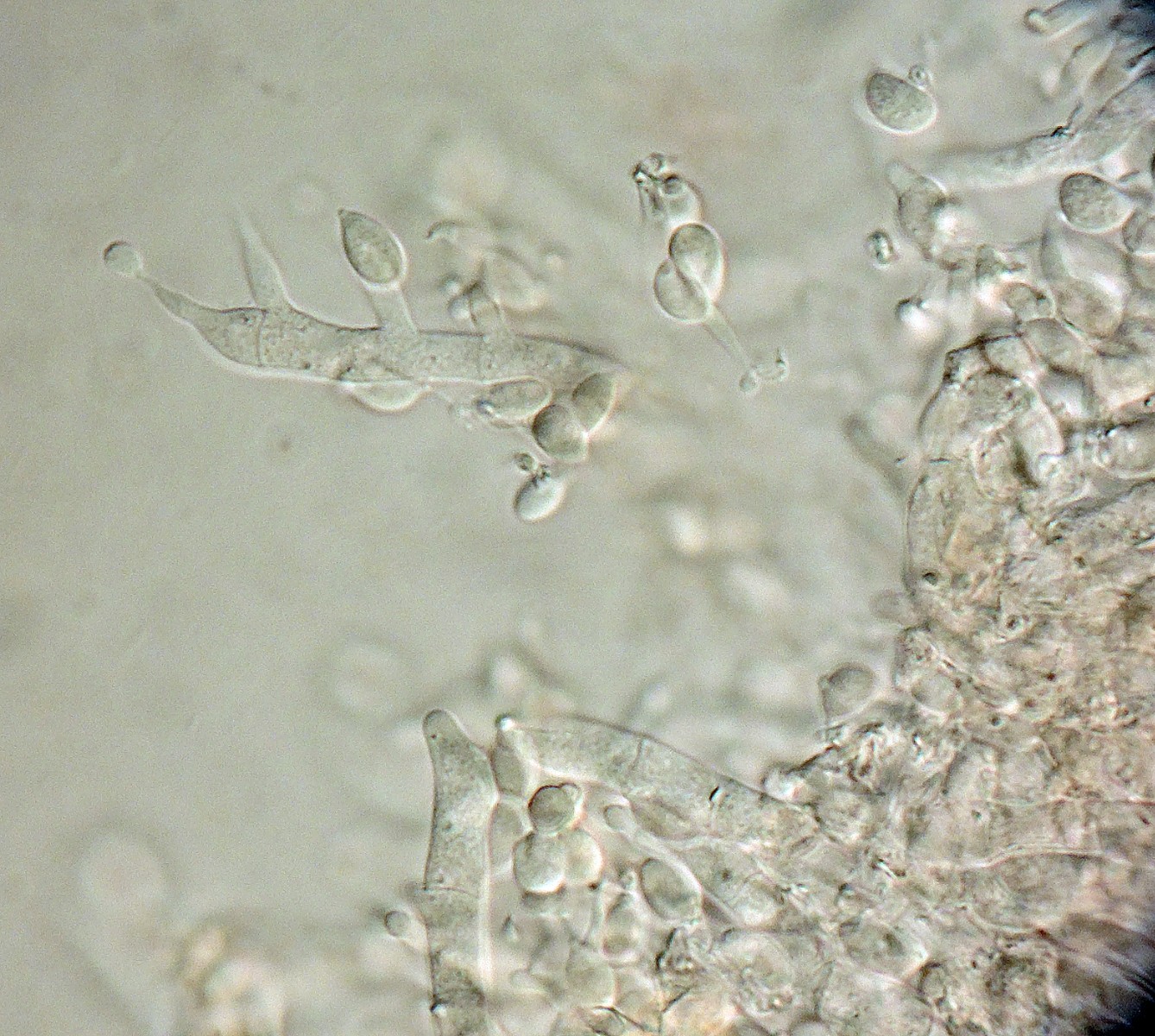
Cystobasidium fimetarium
species of fungus
Helicobasidium compactum
species of fungus

Tuberculina
Tuberculina is a genus of fungi in the order Helicobasidiales. The genus is a synonym of Helicobasidium, but currently species have not yet been assigned to the latter genus. Tuberculina species are conidia-bearing parasites of rust fungi, forming felt-like, purple patches on their hosts.
Cystobasidiaceae
The Cystobasidiaceae are a family of fungi in the order Cystobasidiales. The family currently comprises two genera, both of which contain fungal parasites with auricularioid (laterally septate) basidia, some of which are known only from their yeast states.

Platygloea
Platygloea is a genus of fungi belonging to the class Pucciniomycetes. Basidiocarps (fruit bodies) of the type species are disc-shaped, gelatinous, and occur on dead wood, probably as a saprotroph. Microscopically, all species of Platygloea sensu lato have auricularioid (laterally septate) basidia. Currently the genus (together with its possible synonym Achroomyces Bonord.) contains a heterogeneous mix of auricularioid fungi not yet accommodated in other genera.
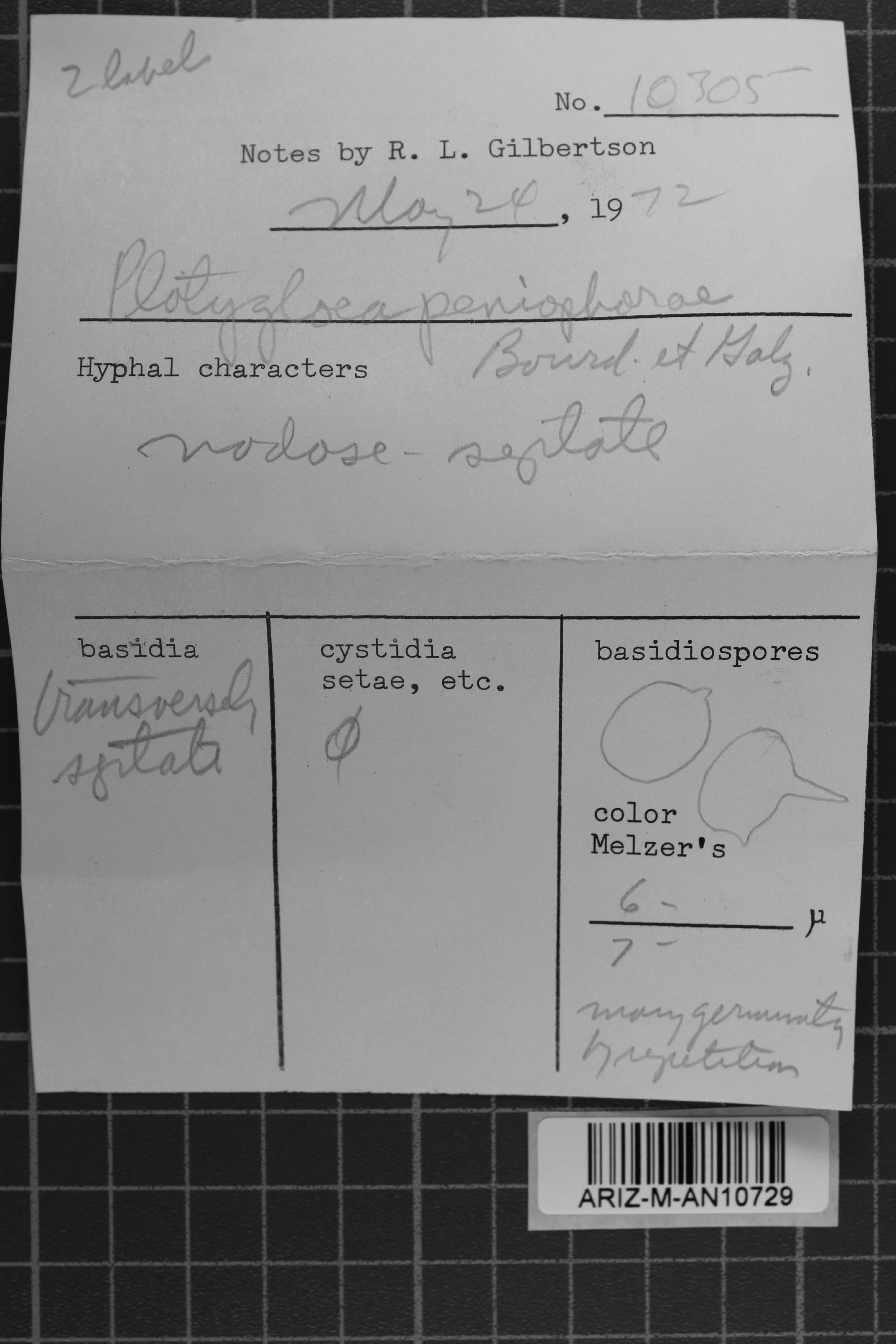
Colacogloea peniophorae
species of fungus
Endocronartium
Endocronartium is a genus of rust fungi in the Cronartiaceae family. The genus contains three species found in Europe, North America, and Japan, that grow on Pinus trees. Endocronartium was circumscribed by Hiratsuka in 1969.
Spiculogloeomycetes
The Spiculogloeomycetes are a class of fungi in the subdivision Pucciniomycotina of the Basidiomycota. The class consists of a single order, the Spiculogloeales, together with an additional, unassigned genus, Meniscomyces. Many species are currently known only from their yeast states. Species in the genus Spiculogloea form hyphal states that produce auricularioid (laterally septate) basidia and are parasitic on other fungi.
Cystobasidium
Cystobasidium is a genus of fungi in the order Cystobasidiales. The type species is a fungal parasite forming small gelatinous basidiocarps (fruit bodies) on various ascomycetous fungi (including Lasiobolus and Thelebolus spp) on dung. Microscopically, it has auricularioid (laterally septate) basidia producing basidiospores that germinate by budding off yeast cells. Other species are known only from their yeast states. The yeasts Cystobasidium minutum and C. calyptogenae are rare but known human pathogens.
Colacogloea
Colacogloea is a genus of fungi belonging to the class Microbotryomycetes. Most species in the genus are known only from their yeast states. Where known, basidiocarps (fruit bodies) have auricularioid (laterally septate) basidia and occur as parasites on or in the fruit bodies of other fungi.
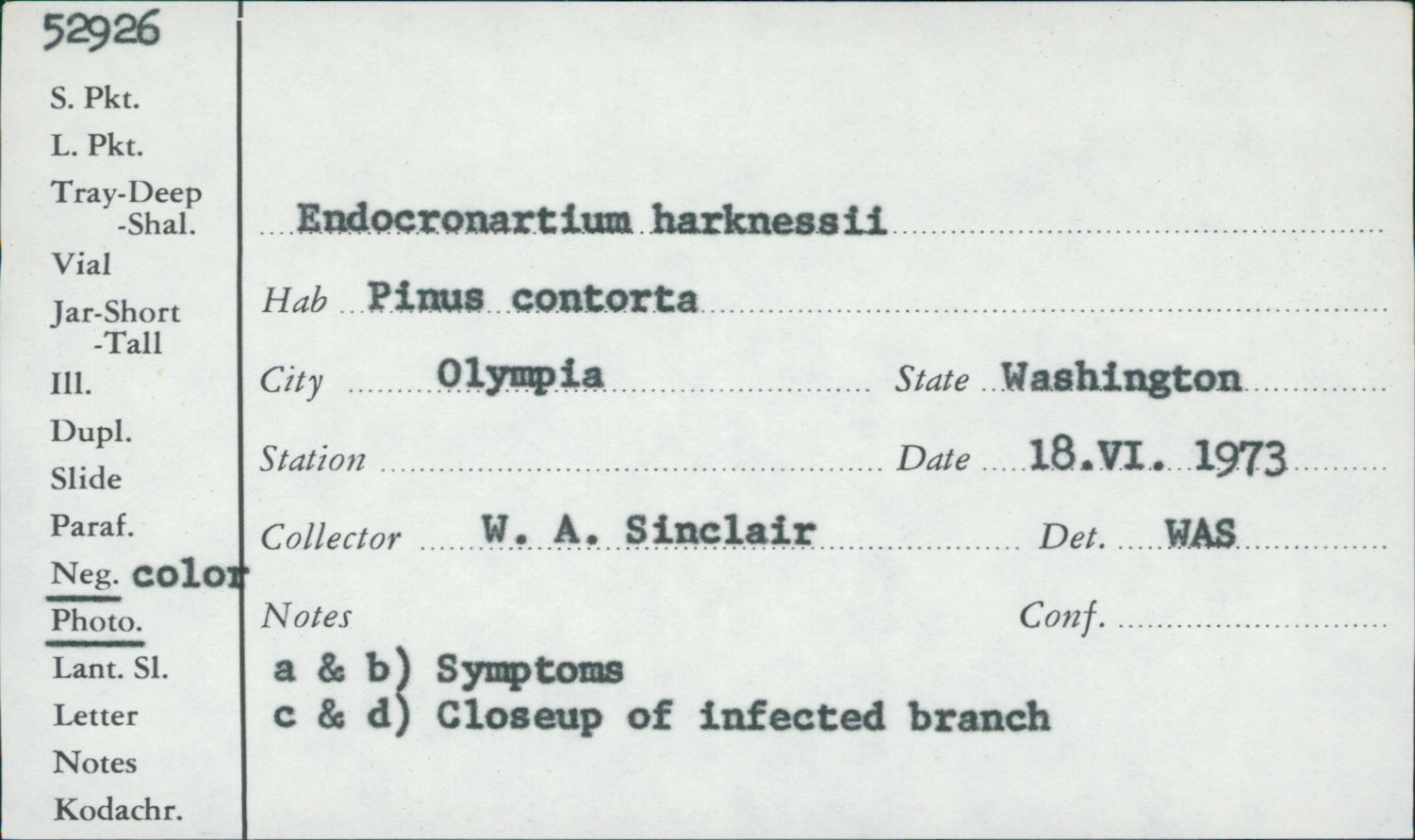
Endocronartium harknessii
species of fungus
Kriegeriales
The Kriegeriales are an order of fungi in the subdivision Pucciniomycotina. Most species are known only from their yeast states and can be found in a variety of habitats, ranging from arctic waters to tropical ferns. Hyphal states produce auricularioid (laterally septate) basidia.
Occultifur
Occultifur is a genus of fungi in the family Cystobasidiaceae. Species are parasites of other fungi and, microscopically, have auricularioid (laterally septate) basidia and basidiospores that germinate by yeast cells. Several species are currently only known from their yeast states. The genus is distributed worldwide.
Hemileia coffeicola
species of fungus
Pachnocybe
The Pachnocybe are a genus of fungi, within the monotypic family of Pachnocybaceae , and within the monotypic order of Pachnocybales, within the class Pucciniomycetes. They are parasitic on plants or saprobic on rotten wood.
Septobasidiales
REDIRECT Septobasidiaceae
Helicobasidium longisporum
species of fungus
Cystobasidiales
The Cystobasidiales are an order of fungi in the class Cystobasidiomycetes. The order currently consists of a single family (Cystobasidiaceae) and two genera as yet unassigned to a family (Begerowomyces and Robertozyma).

Uredo behnickiana
species of fungus
Tritirachium oryzae
species of fungus
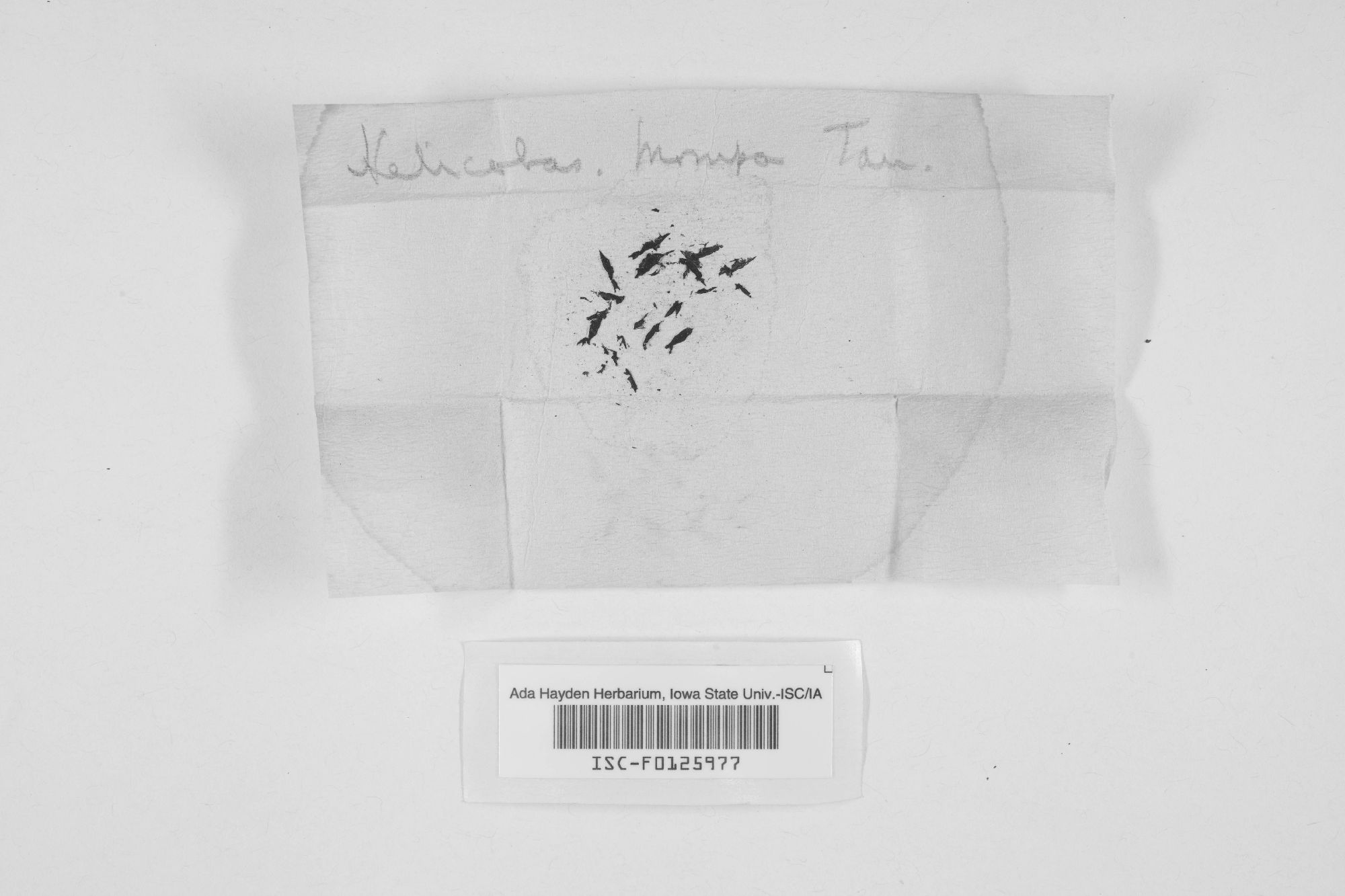
Helicobasidium mompa
species of fungus
Johncouchia mangiferae
species of fungus
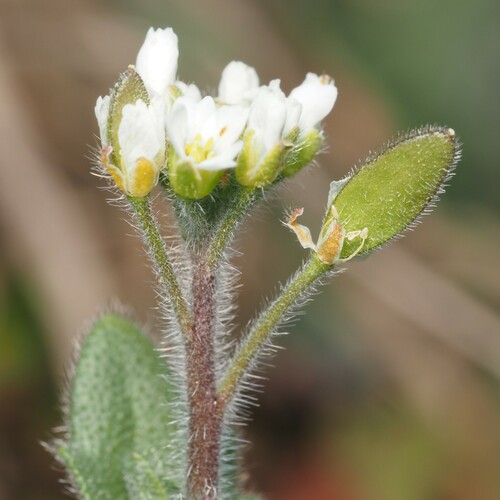
Platycarpa
Platycarpa is a genus of fungus in the order Platygloeales, containing the single species Platycarpa polypodii. The species forms effused basidiocarps (fruit bodies) on ferns, on which it is parasitic.
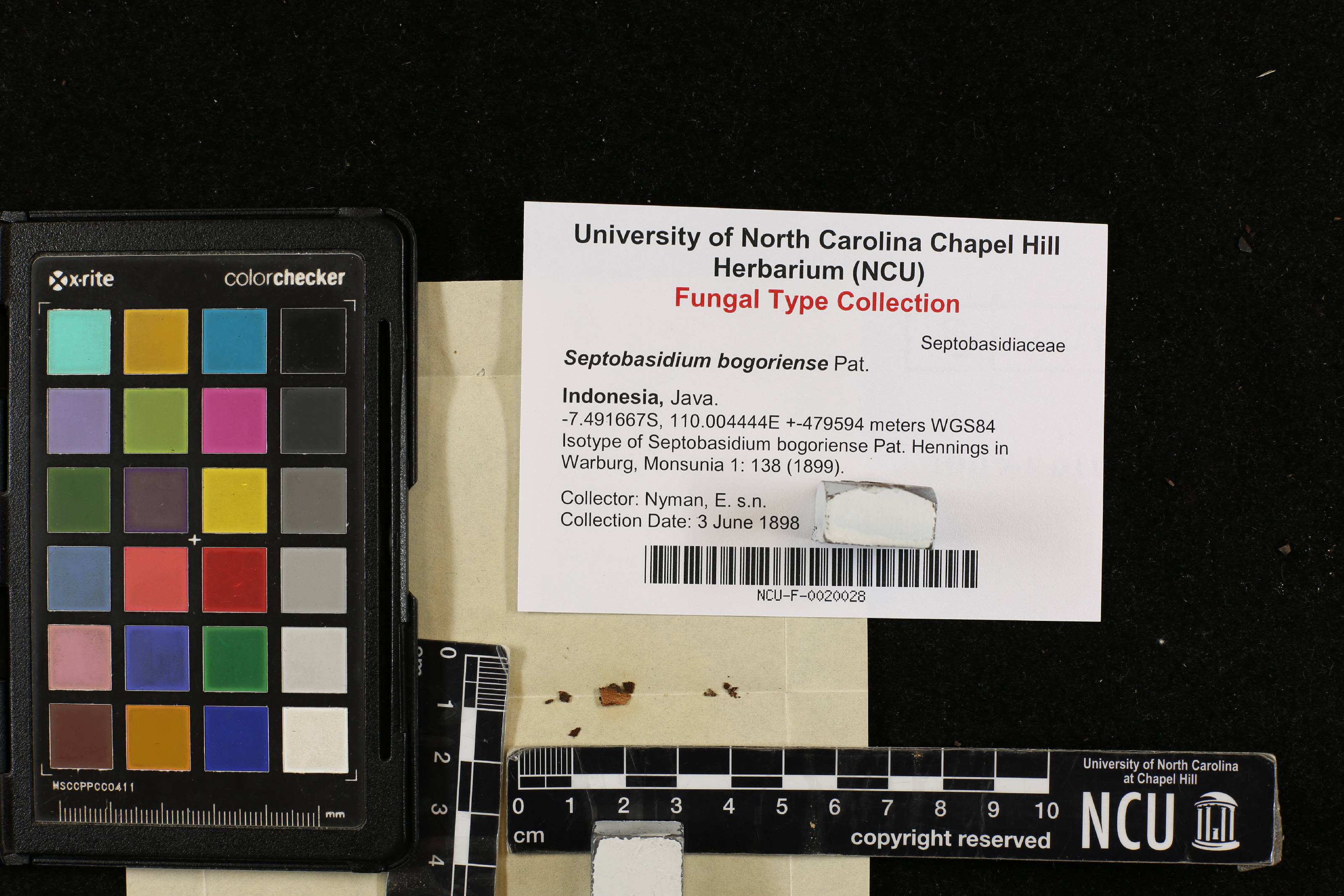
Septobasidium bogoriense
species of fungus