Category
page 1Rape of Persephone
.JPG)
Persephone
In ancient Greek mythology and religion, Persephone ( ; , classical pronunciation: ), also called Kore () or Cora, is the daughter of Zeus and Demeter. She became the queen of the underworld after her abduction by her uncle Hades, the king of the underworld, who later took her into marriage. The myth of her abduction, her sojourn in the underworld, and her cyclical return to the surface represents her functions as the embodiment of spring and the personification of vegetation, especially grain crops, which disappear into the earth when sown, remain hidden for a period, sprout from the earth, a

Proserpina
Proserpina ( ; ) or Proserpine ( ) is an ancient Roman goddess whose iconography, functions and myths are virtually identical to those of the Greek Persephone. Proserpina replaced or was combined with the ancient Roman fertility goddess Libera, whose principal cult was housed in a temple atop Rome's Aventine Hill, which she shared with the grain-goddess Ceres and the wine god Liber (Liber Pater).
The Rape of Proserpina
sculpture by Gian Lorenzo Bernini
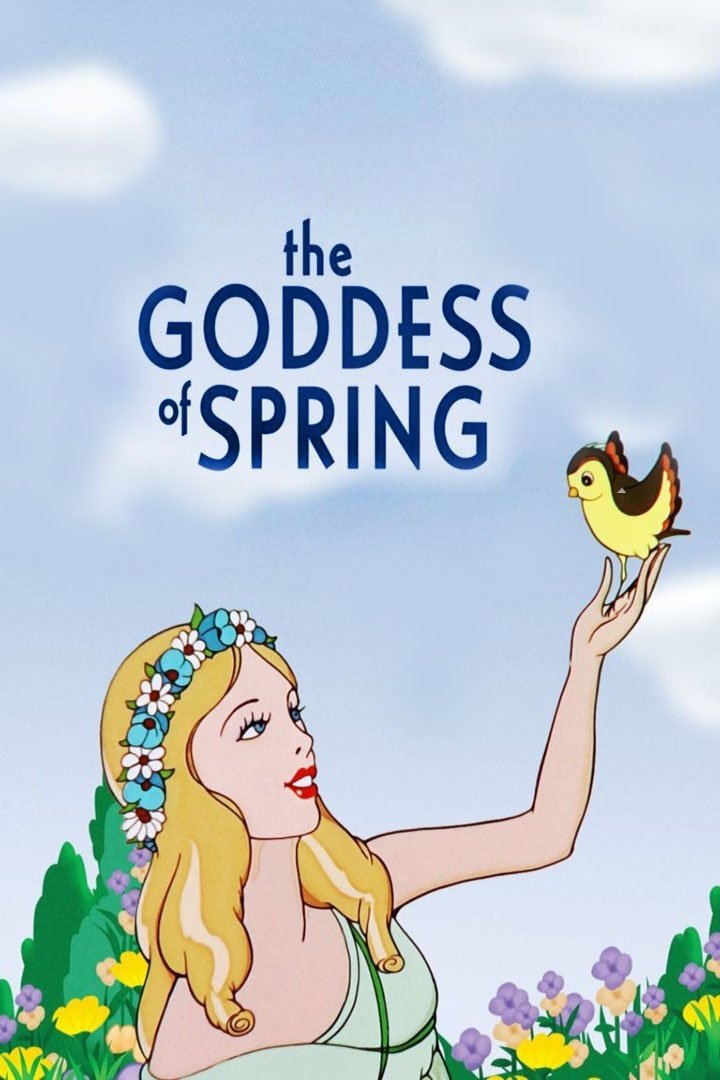
The Goddess of Spring
1934 film by Wilfred Jackson
Proserpine
opera by Jean-Baptiste Lully
Rape of Persephone
myth in Greek mythology
Proserpina sarcophagus
roman marble sarcophagus in the Aachen Cathedral Treasury
Lore Olympus
webcomic