Category
page 1Regency era

Lord Byron
English Romantic poet and lyricist (1788–1824)
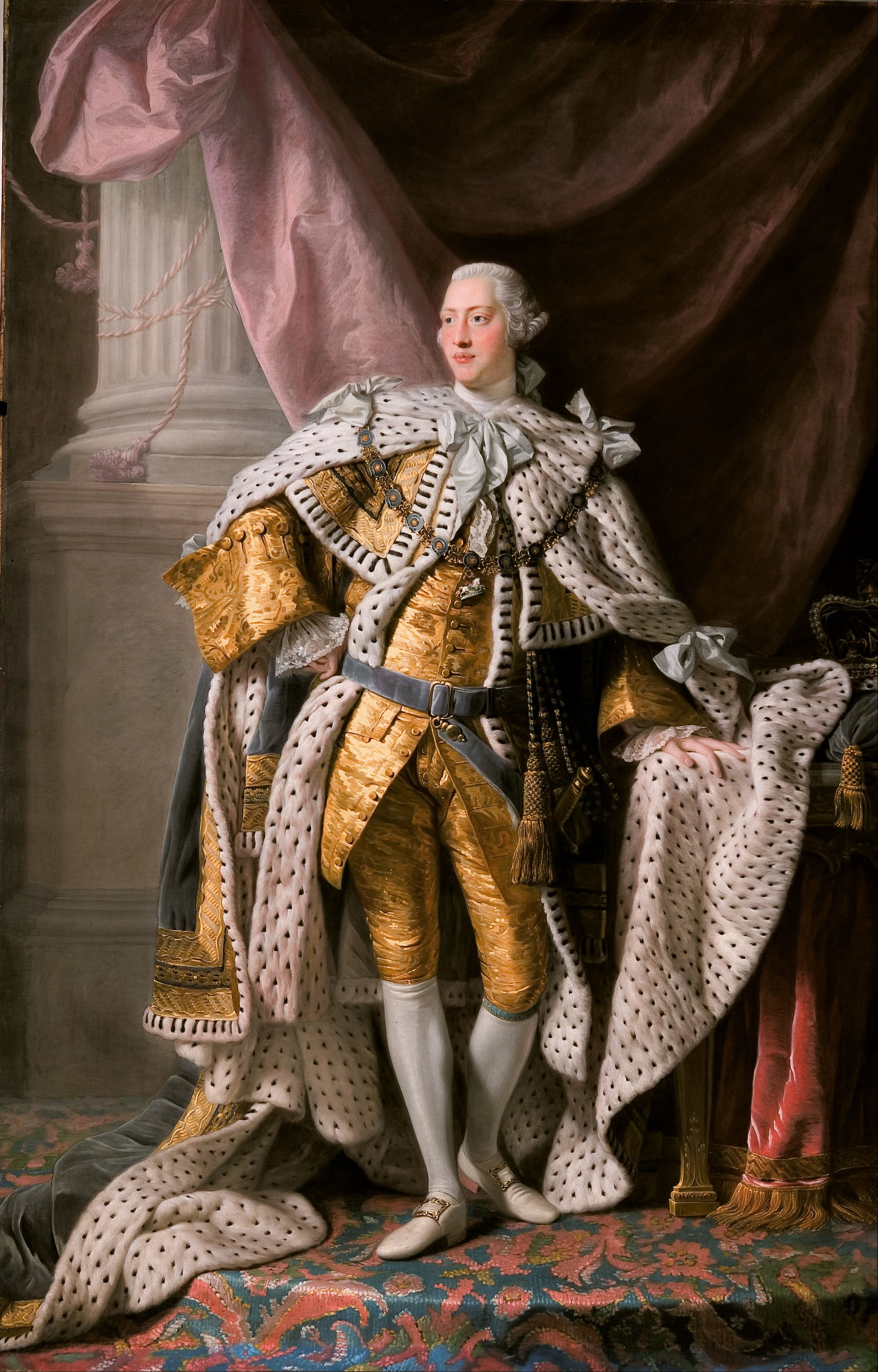
George III
George III was King of Great Britain and Ireland from 25 October 1760 until his death in 1820. The Acts of Union 1800 unified Great Britain and Ireland into the United Kingdom of Great Britain and Ireland, with George as its king. He was concurrently duke and prince-elector of Hanover in the Holy Roman Empire before becoming King of Hanover on 12 October 1814. He was the first monarch of the House of Hanover who was born in Great Britain, spoke English as his first language, and never visited Hanover.

Arthur Wellesley, 1st Duke of Wellington
British Field Marshal, Prime Minister of the United Kingdom, 1828–1830, 1834

Pride and Prejudice
1813 novel by Jane Austen
Beau Brummell
English man of fashion (1778–1840)
Regency era
era in the United Kingdom during the early 19th Century
.jpg)
bicorne
thumb|250px|Early bicorne from France, c. 1790
Richard Cosway
British artist (1742-1821)
Regency architecture
architectural style
Rococo Revival
19th-century furniture style
1795–1820 in Western fashion
Blackadder the Third
third series of the BBC sitcom Blackadder
William Arden, 2nd Baron Alvanley
British Army officer, peer and socialite (1789-1849)
Almack's
thumb|400px|London's high society at Almack's
'''Almack's''' was the name of a number of establishments and social clubs in London between the 18th and 20th centuries. Two of the social clubs would go on to fame as Brooks's and Boodle's. Almack's most famous establishment was based in assembly rooms on King Street, St James's, and was one of a limited number of upper-class mixed-sex public social venues in the British capital in an era when the most important venues for the hectic social season were the grand houses of the aristocracy. The site of the club, '''Almack's Assembly Rooms or (from
Regency romance
subgenre of romance novels