Category
page 1Religious pluralism
.jpg)
Kabir

ecumenism
thumb|Ecumenism symbol from a plaque in St. Anne's Church, Augsburg, Germany. It shows Christianity as a boat at sea with the cross serving as the mast.
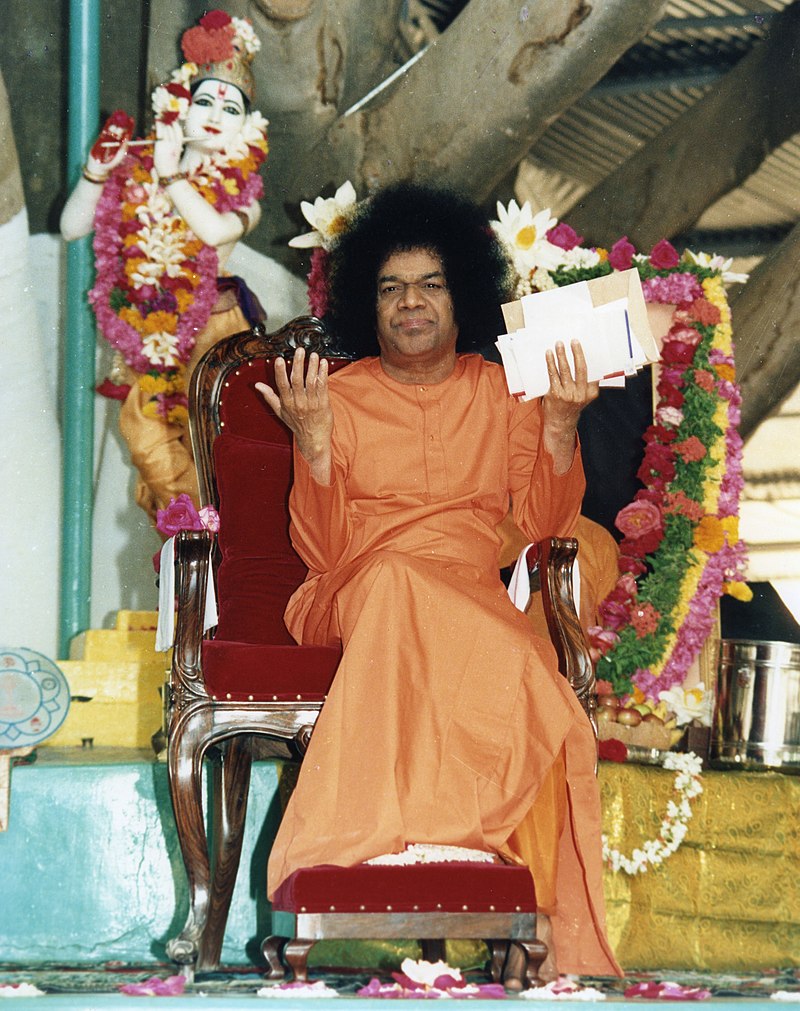
Sathya Sai Baba
Indian spiritual guru (1926–2011)
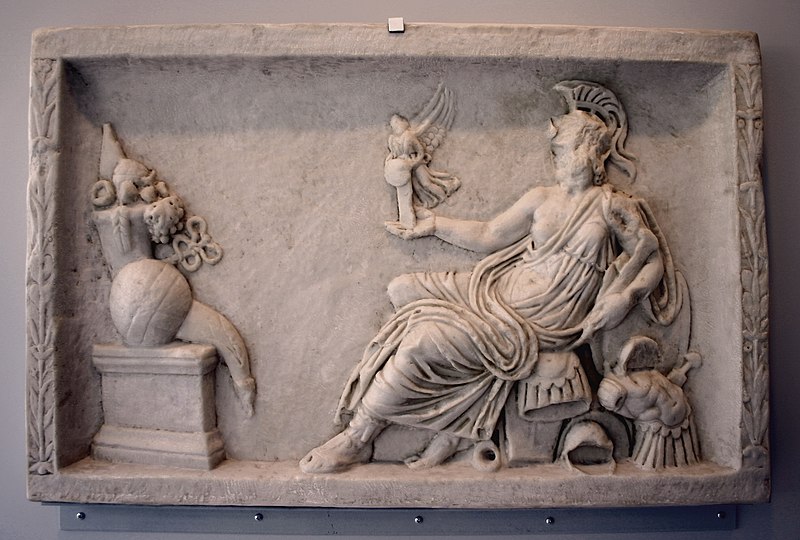
ancient Roman religion
form of Indo-European polytheism practised in the Roman civilization

Yukteswar Giri
Indian yogi, occultist and guru (1855-1936)

Sai Baba of Shirdi
Indian saint
Mahavatar Babaji
Hindu Yogi
Shyama Charan Lahiri
Indian yogi and guru (1828–1895)

Rudolf Otto
German theologian, philosopher, and comparative religionist (1869-1937)

Peter L. Berger
American sociologist (1929–2017)

universalism
Universalism is the philosophical and theological concept that some ideas have universal application or applicability.
Din-e Ilahi
syncretic religion propounded by Mughal emperor Akbar in 1582
Unitarian Universalism
liberal religion formed in 1961 by the merger of the Unitarians and the Universalists
perennial philosophy
15th-century philosophical idea that views all religious traditions as sharing a single truth or origin
religious pluralism
attitude or policy regarding the diversity of religious belief systems co-existing in society
religious persecution
systematic mistreatment of an individual or group of individuals as a response to their religious beliefs or affiliations or lack thereof
interpretatio Graeca
methodology for cultural comparison
Parliament of the World's Religions
Series of meetings with the goal of trying to create a global dialog of faiths
interfaith marriage
marriage between spouses professing different religions
John Hick
English philosopher of religion and theologian (1922-2012)

Anekantavada
'''''' (, "many-sidedness") is the Jain doctrine about metaphysical truths that emerged in ancient India. It states that the ultimate truth and reality is complex and has multiple aspects and viewpoints.
Center for Jewish–Christian Understanding and Cooperation
an educational institution in Israel where Christians can study the Hebrew Bible and learn about the Hebraic roots of Christianity
Rimé movement
Tibetan Buddhist movement
inclusivism
Inclusivism is one of several approaches in religious studies, anthropology, or civics to understand the relationship between different religions, societies, cultures, political factions etc. It asserts that there is beauty in the variety of different schools of thoughts, and that they can coexist. It stands in contrast to exclusivism, which asserts that only one way is true and all others are erroneous.
Ibadat Khana
meeting house built in 1575 by Mughal Emperor Akbar for interfaith dialogue

La Convivencia
Convivencia (Spanish for "living together") is a term used by scholar Américo Castro to describe a period in Spanish history from the Muslim Umayyad conquest of Hispania in the 700s to the expulsion of the Jews in 1492 by the Catholic Monarchs of Spain. It claims that in the different Moorish Iberian kingdoms, the Muslims, Christians and Jews lived in relative peace. This idea suggests that medieval Spain was a place of religious tolerance and cultural exchange-very different from later periods when only Catholicism was allowed.
Jacques Dupuis
Jesuit priest (1923-2004)

Dadu Dayal
Indian saint
Kabir Panth
confessionalism
system of government

The Perennial Philosophy
essay by Aldous Huxley
John Courtney Murray
American theologian (1904–1967)
multiple religious belonging
idea that individuals can belong to more than one religious tradition
Majma-ul-Bahrain
Majma-ul-Bahrain (, "The Confluence of the Two Seas" or "The Mingling of the Two Oceans") is a Sufi text on comparative religion authored by Mughal Shahzada Dara Shukoh as a short treatise in Persian, c. 1655. It was devoted to a revelation of the mystical and pluralistic affinities between Sufic and Vedantic speculation. It was one of the earliest works to explore both the diversity of religions and a unity of Islam and Hinduism and other religions. Its Hindi version is called Samudra Sangam Grantha and an Urdu translation titled Nūr-i-Ain was lithographed in 1872.
Religious policy of the Mughals after Akbar
religious policy of the Mughal emperors after Akbar
multifaith space
quiet location set aside in a busy public place for contemplation or prayer
Prince Alwaleed Center for Muslim–Christian Understanding
academic institute at Georgetown University
Sarva Dharma Sama Bhava
hindu concept
Persecution of Hazara people in Quetta
Persecution in Pakistan since the 1990s