Category
page 1Religious texts

religious text
type of creative work

Guru Granth Sahib
The primary holy scripture of Sikhism
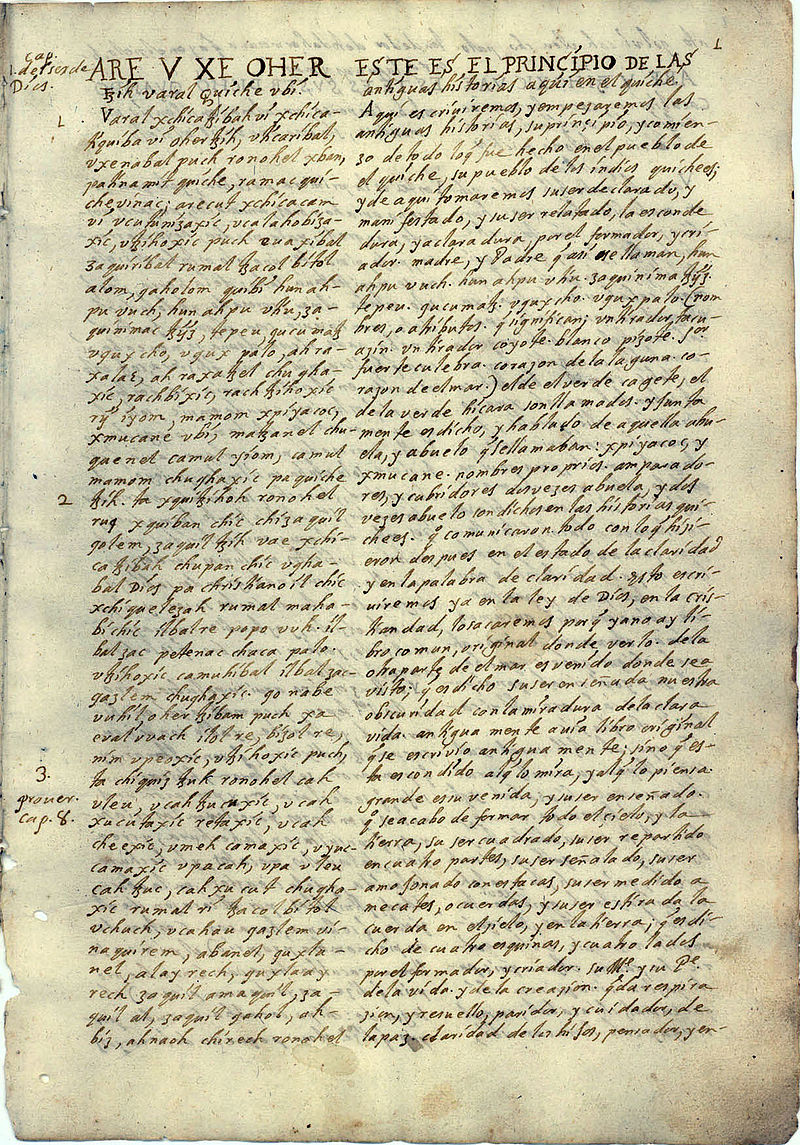
Popol Vuh
sacred text of the Maya
The Urantia Book
spiritual and philosophical book that originated in Chicago sometime between 1924 and 1955

The Kybalion
book

Geniocracy
Geniocracy is the framework for a system of government which was first proposed by Raël (leader of the International Raëlian Movement) in 1977 and which advocates a certain minimal criterion of intelligence for political candidates and also the electorate.

Epistles of Wisdom
Books sacred to the Druze community
Kirat Mundhum
traditional folk religion of the Kirati people
Kalâm-e Saranjâm
central text of the religion Yarsanism
Buyruks
The Buyruks are a collection of spiritual books providing the basis of the Alevi value system. Buyruk means “command” or “order” in Turkish. Topics addressed in the Buyruks include müsahiplik ("spiritual brotherhood") and a wide range of Alevi stories and poems, including the story of Haji Bektash Veli.
Kyivan Cave Patericon
bibliolatry
Bibliolatry (from the Greek , 'book' and the suffix , 'worship') is the worship of a book, idolatrous homage to a book, or the deifying of a book. It is a form of idolatry. The sacred texts of some religions disallow icon worship, but over time, the texts themselves may come to be treated as sacred in the way idols are; believers may end up worshipping the book in effect. Bibliolatry extends claims of Biblical inerrancy to the texts, precluding theological innovation, evolving development, or progress. Bibliolatry can lead to revivalism, disallows reprobation, and can lead to persecution of un
tablet
term used for certain religious texts

Oahspe: A New Bible
Spriritualist book from the 19th century