Category
page 1Reproduction in animals
%20mating%2C%20female%20typica%202.jpg)
mating
thumb|250px|Blue-tailed damselfly|Blue-tailed damselflies(Ischnura elegans) mating
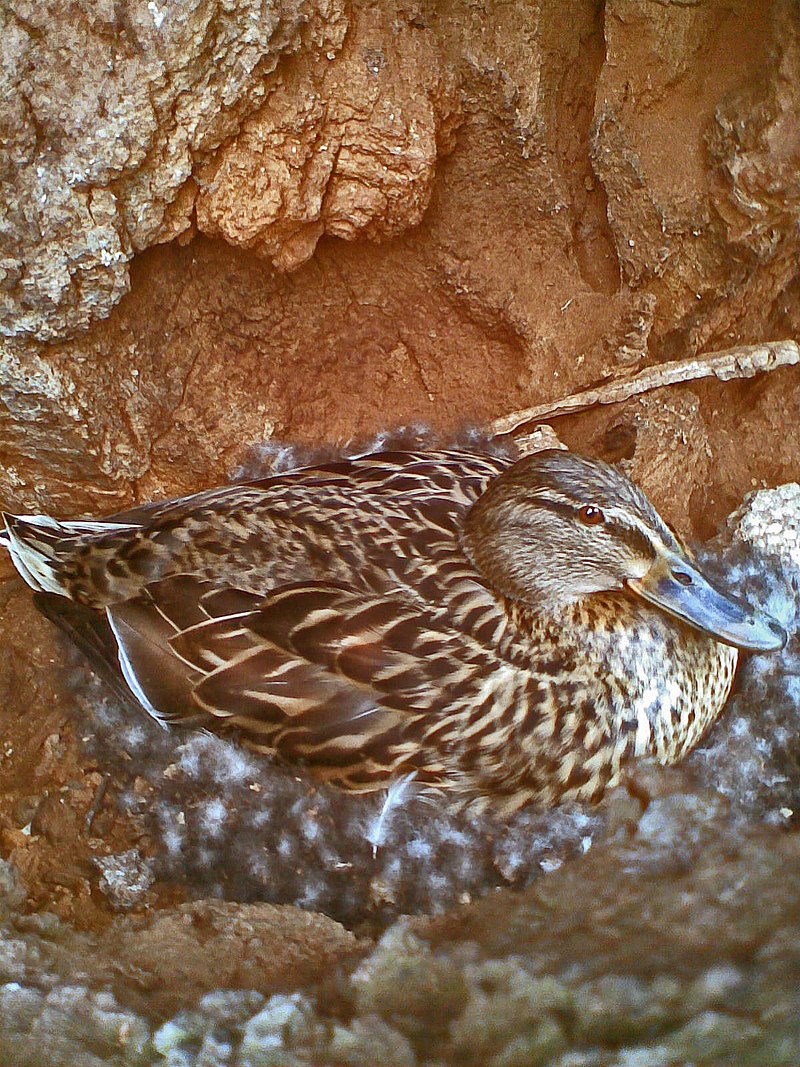
egg incubation
the process by which certain oviparous (egg-laying) animals hatch their eggs

milt
thumb|Collecting Chinook salmon milt at a [[USFWS hatchery]]
animal sexual behaviour
sexual behavior of non-human animals
lek mating
mating behavior in certain animals
parental investment
parental expenditure (e.g. time, energy, resources) that benefits offspring
external fertilization
male organism’s sperm fertilizing a female organism’s egg outside of the female’s body
seasonal breeder
animal species that successfully mate during certain times of year
internal fertilization
union of an egg cell with a sperm during sexual reproduction inside the body of a parent; occurrence of internal insemination as the mode of combining sperm and egg
cercaria
A cercaria (plural cercariae) is a larval form of the trematode class of parasites. It develops within the germinal cells of the sporocyst or redia. A cercaria has a tapering head with large penetration glands. It may or may not have a long swimming "tail", depending on the species. The motile cercaria finds and settles in a host where it will become either an adult, or a mesocercaria, or a metacercaria, according to species.
strobilation
Strobilation or transverse fission is a form of asexual reproduction consisting of the spontaneous transverse segmentation of the body. It is observed in certain cnidarians and helminths. This mode of reproduction is characterized by high offspring output, which, in the case of the parasitic tapeworms, is of great significance.
miracidium
The miracidium is the second stage in the life cycle of trematodes. When trematode eggs are laid and come into contact with fresh water, they hatch and release miracidium. In this phase, miracidia are ciliated and free-swimming. This stage is completed upon coming in contact with, and entering into, a suitable intermediate host for the purposes of asexual reproduction. Many different species of Trematoda exist, expressing some variation in the physiology and appearance of the miracidia. The various trematode species implement similar strategies to increase their chances of locating and coloniz
koinophilia
thumb|300px|This Leucism|leucistic Indian peacock, Pavo cristatus, is unlikely to find a mate and reproduce in a natural setting due to its unusual coloration. However, its striking colour is appreciated by humans, and may be included in artificial [[selective breeding to produce more individuals with the leucistic phenotype.]]
polyandry in animals
overview about Polyandry in nature
arrhenotoky
thumb|upright=2.0|Honey bees produce [[haploid males from unfertilized eggs]]
Arrhenotoky (from Greek ἄρρην árrhēn "male" and τόκος tókos "birth"), also known as arrhenotokous parthenogenesis, is a form of parthenogenesis in which unfertilized eggs develop into males. In most cases, parthenogenesis produces exclusively female offspring, hence the distinction.
polygyny
mating system in which one male lives and mates with multiple females but each female only mates with a single male
epitoky
thumb|right|200px|Syllid [[polychaete budding epitokes for the purpose of sexual reproduction.]]
thumb|right|200px|Alitta succinea, the common clam worm ([[Nereididae) in epitoky stage]]
mating call
auditory signal used by animals to attract mates
breeding pair
bonded animals who cooperate to produce offspring
nuptial gift
nutritional gift given in sexual reproduction
Statoblast
thumb|Statoblast of Plumatella repens
Statoblasts are a means to reproduce asexually by a method that is unique among bryozoans and enables a colony's lineage to survive the variable and uncertain conditions of fresh water environments. Statoblasts are masses of cells that function as "survival pods" rather like the gemmules of sponges. Statoblasts form on the funiculus (cord) connected to the parent's gut, which nourishes them. As they grow, statoblasts develop protective bivalve-like shells made of chitin. When they mature, some types stick to the parent colony, some fall to the bottom, some