Category
page 1Rhizobiaceae
Rhizobium
Rhizobium is a genus of Gram-negative soil bacteria that fix nitrogen. Rhizobium species form an endosymbiotic nitrogen-fixing association with roots of (primarily) legumes and other flowering plants.
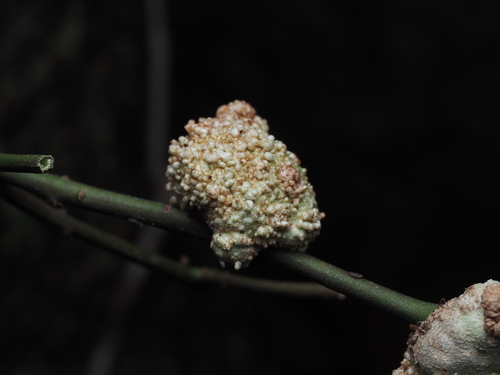
Agrobacterium tumefaciens
species of bacterium

Agrobacterium
Agrobacterium is a genus of Gram-negative bacteria established by H. J. Conn that uses horizontal gene transfer to cause tumors in plants. Agrobacterium tumefaciens is the most commonly studied species in this genus. Agrobacterium is well known for its ability to transfer DNA between itself and plants, and for this reason it has become an important tool for genetic engineering.
Rhizobiaceae
The Rhizobiaceae is a family of Pseudomonadota comprising multiple subgroups that enhance and hinder plant development. Some bacteria found in the family are used for plant nutrition and collectively make up the rhizobia. Other bacteria such as Agrobacterium tumefaciens and Rhizobium rhizogenes severely alter the development of plants in their ability to induce crown galls or hairy roots, respectively. The family has been of an interest to scientists for centuries in their ability to associate with plants and modify plant development. The Rhizobiaceae are, like all Pseudomonadota, Gram-negativ
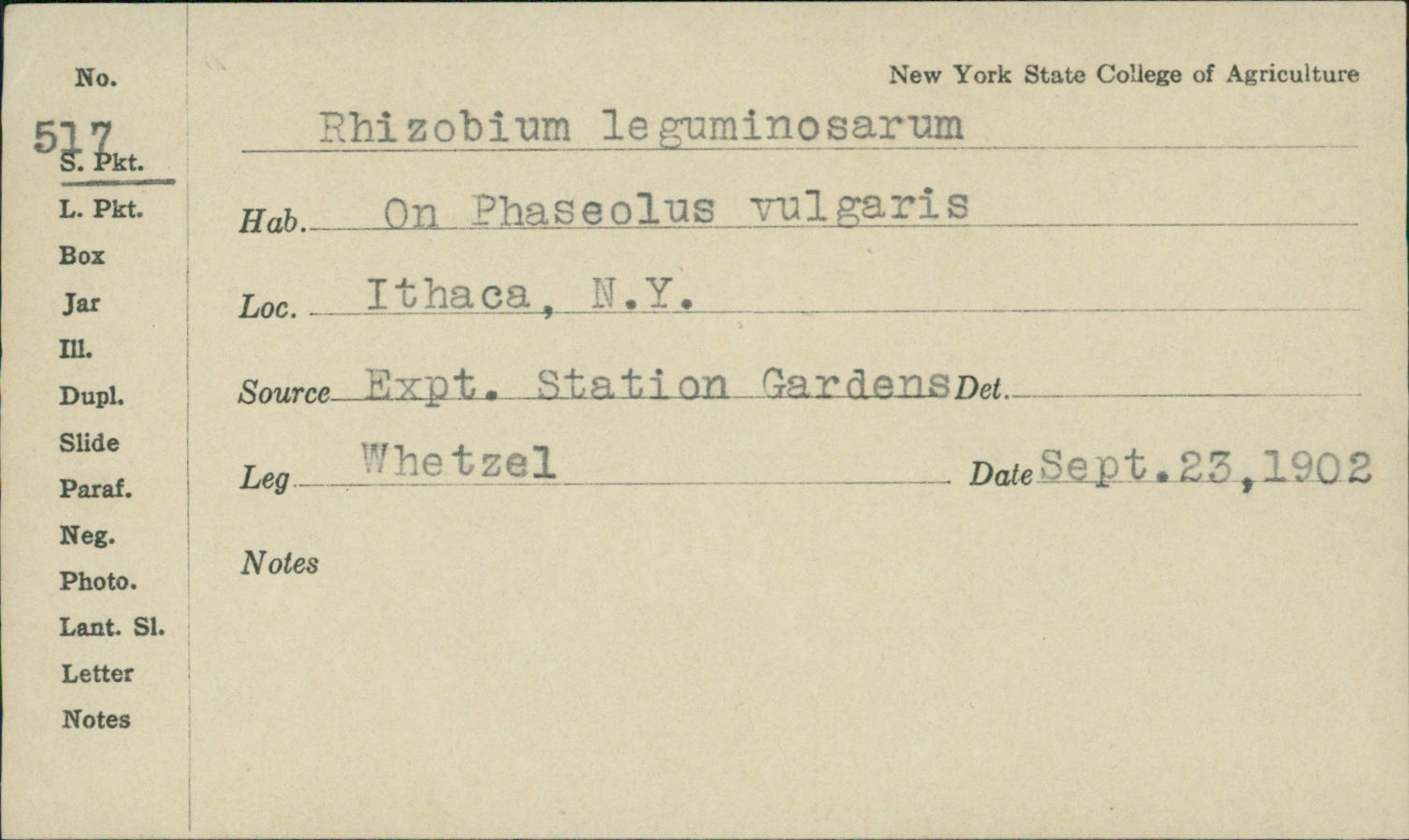
Rhizobium leguminosarum
species of bacterium
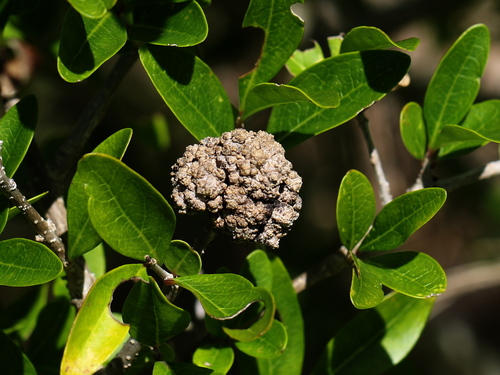
Rhizobium rhizogenes
species of Alphaproteobacteria
Agrobacterium radiobacter
species of bacterium
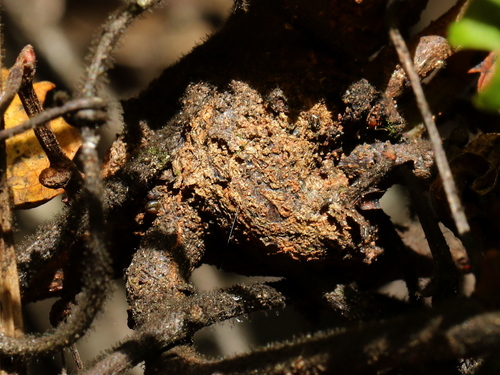
Allorhizobium
Allorhizobium is a genus of Gram-negative soil bacteria. Some species of Allorhizobium form an endosymbiotic nitrogen-fixing association with roots of legumes, while others are known to cause crown gall.