Category
page 1Rhizophoraceae genera
%20flower%20close-up%20(15563380958).jpg)
Rhizophora
Rhizophora is a genus of tropical mangrove trees, sometimes collectively called true mangroves. The most notable species is the red mangrove (Rhizophora mangle) but some other species and a few natural hybrids are known. Rhizophora species generally live in intertidal zones which are inundated daily by the ocean. They exhibit a number of adaptations to this environment, including pneumatophores that elevate the plants above the water and allow them to respire oxygen even while their lower roots are submerged and a cytological molecular "pump" mechanism that allows them to remove excess salts f

Bruguiera
Bruguiera is a plant genus in the family Rhizophoraceae. It is a small genus of five mangrove species and three hybrids of the Indian and west Pacific Ocean region, its range extending from East Africa and Madagascar through coastal India, Sri Lanka and Southeast Asia to northern Australia, Melanesia and Polynesia. It is characterised by calyces with 8-16 lanceolate, pointed lobes, 16-32 stamens, explosive release of pollen, and viviparous propagules. It is named in honour of French explorer and biologist Jean Guillaume Bruguière (1750–1798). Recently, the eighth taxa of Bruguiera, B. × dungar
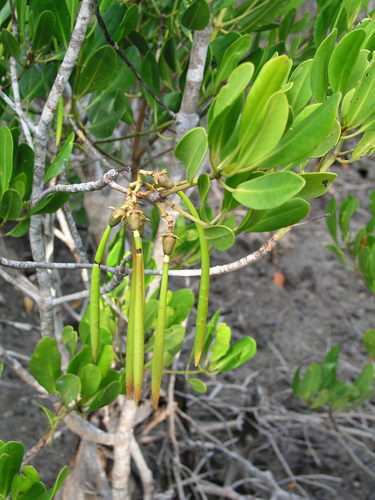
Ceriops
Ceriops is a genus of mangroves in the family Rhizophoraceae.
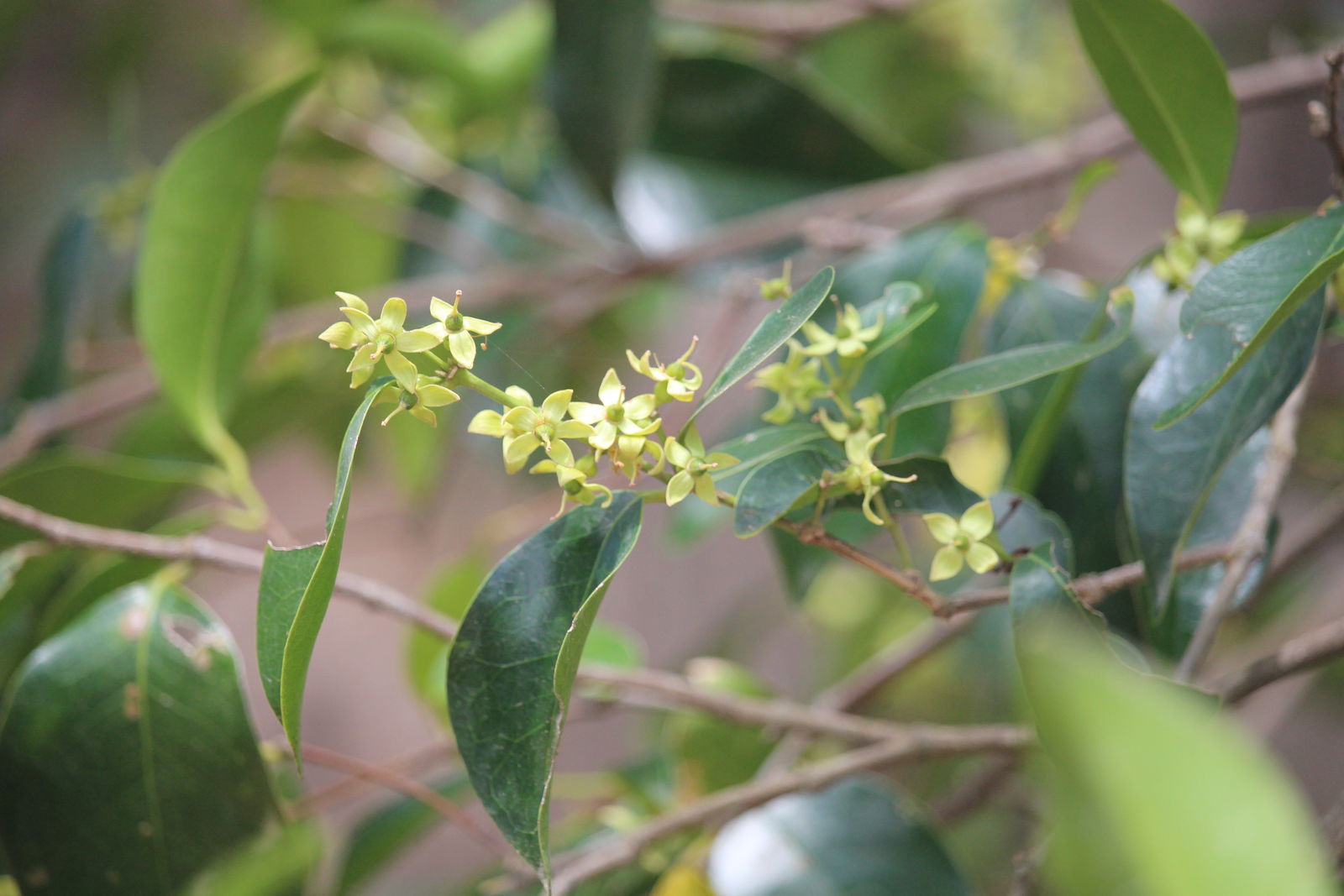
Cassipourea
Cassipourea is a genus of flowering plants in the family Rhizophoraceae. The genus is divided into several subgenera, based mainly on the structure of the flowers. It includes about 72 species native to the tropical Americas, tropical and Southern Africa, and the Indian Subcontinent.
Kandelia
Kandelia is a plant genus of two species in the mangrove family Rhizophoraceae.
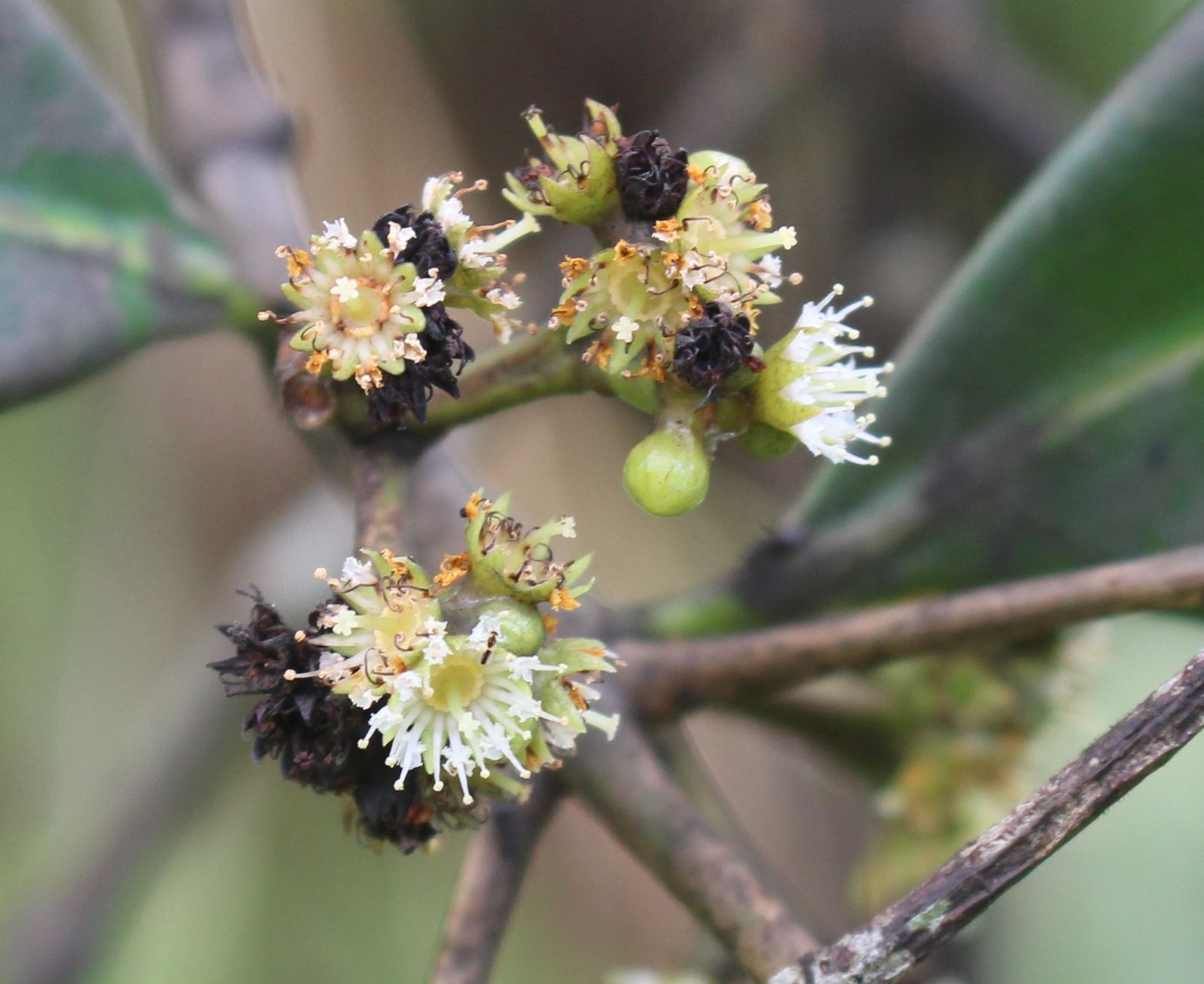
Carallia
Carallia is a genus of trees in the family Rhizophoraceae.
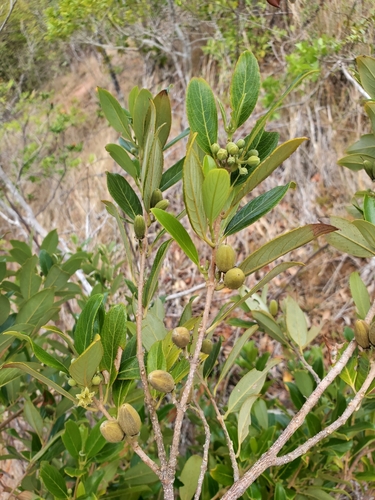
Macarisia
Macarisia is a genus of flowering plants belonging to the family Rhizophoraceae.

Pellacalyx
Pellacalyx is a genus of trees in the family Rhizophoraceae, distributed in Southeast Asia and surrounding regions.

Paradrypetes
Paradrypetes is a plant genus under the family Rhizophoraceae. It includes two species endemic to Brazil. It is sometimes included in the Picrodendraceae and was formerly included in the family Euphorbiaceae.
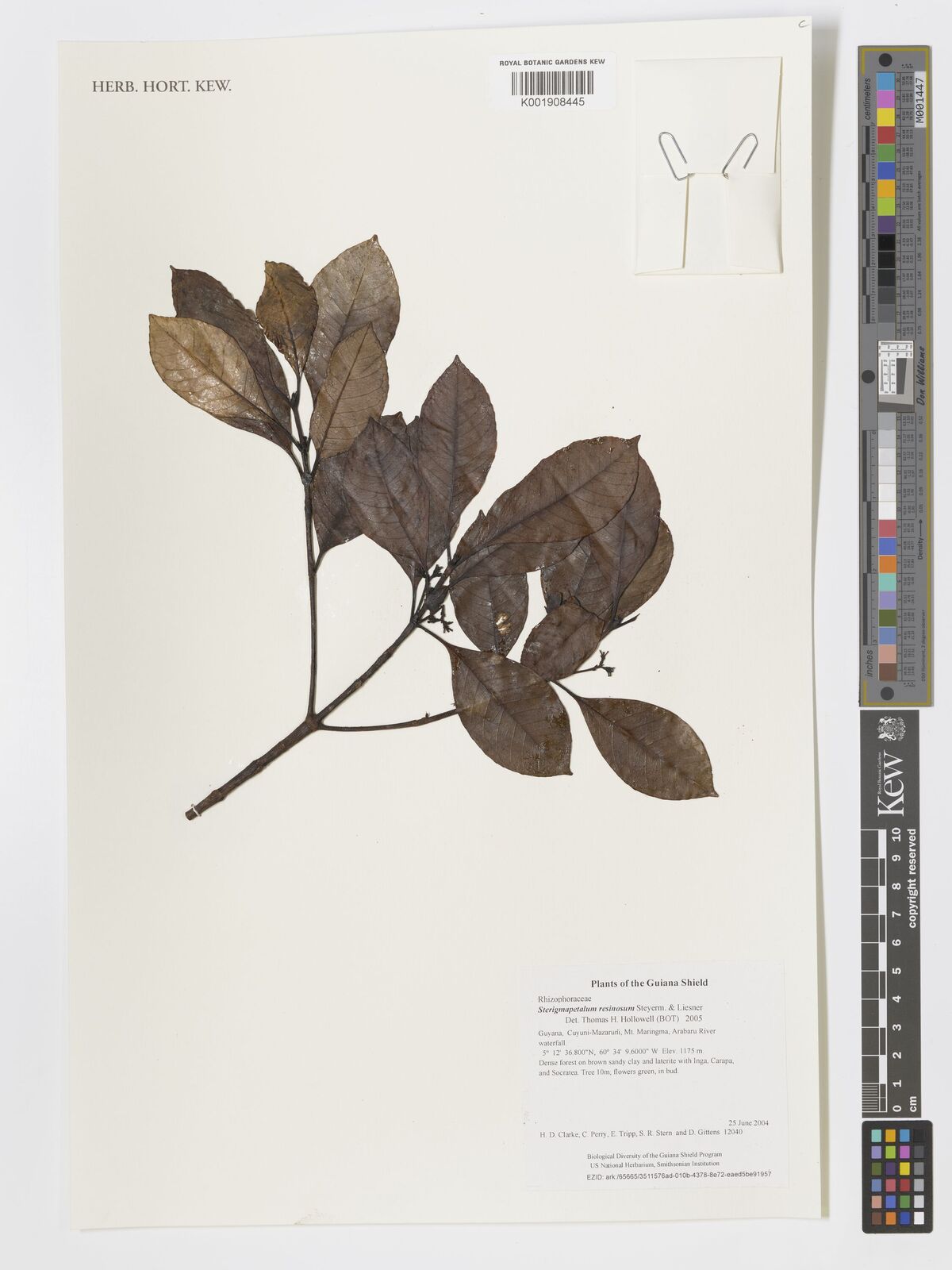
Sterigmapetalum
Sterigmapetalum is a genus of flowering plants belonging to the family Rhizophoraceae.
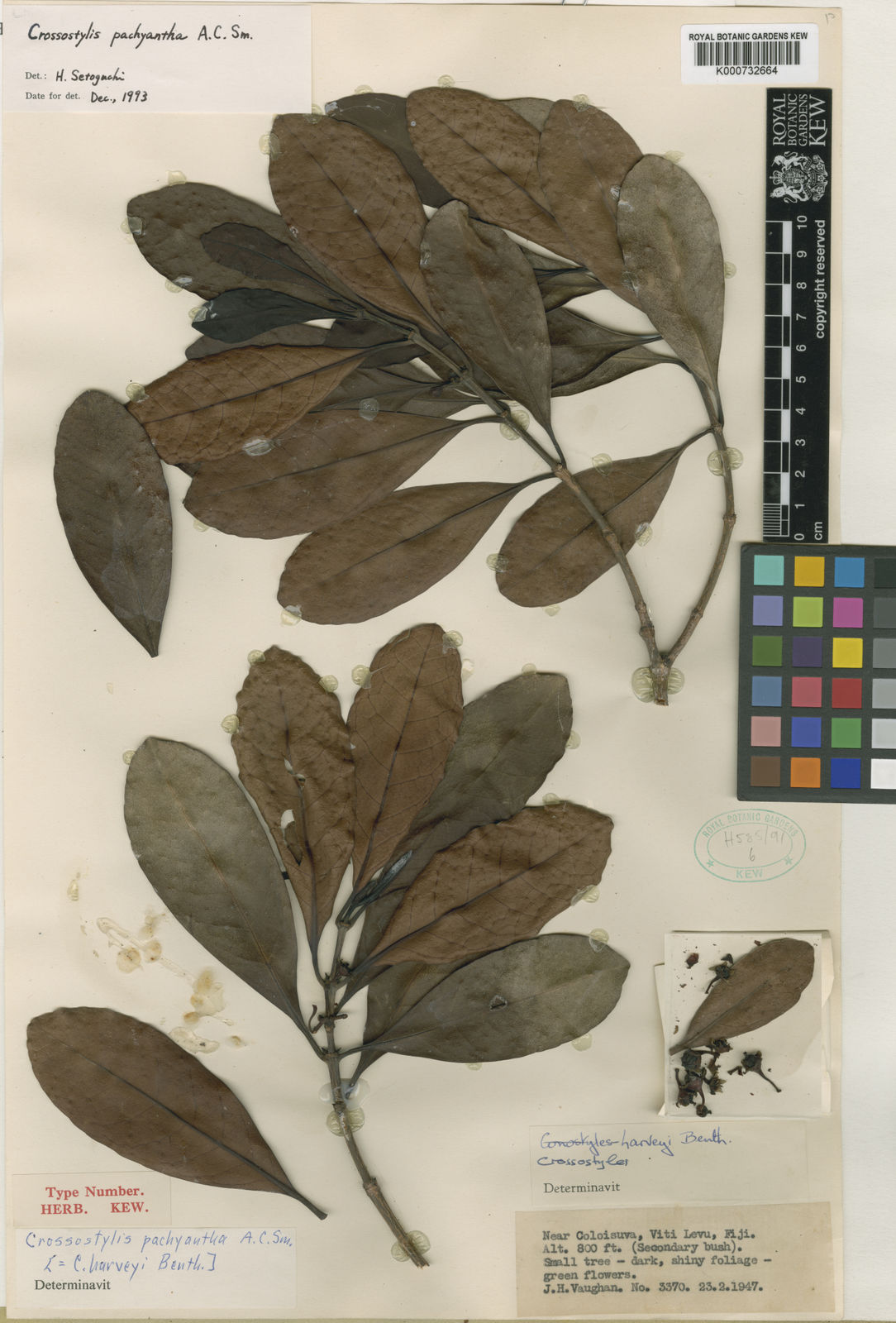
Crossostylis
Crossostylis is a genus of flowering plants in the family Rhizophoraceae. With a distribution spanning the South Pacific, it consists of 12 species of shrubs and trees that reside in tropical environments. The genus was first described by Johann Reinhold Forster and Georg Forster in 1776, and its type species is Crossostylis biflora.
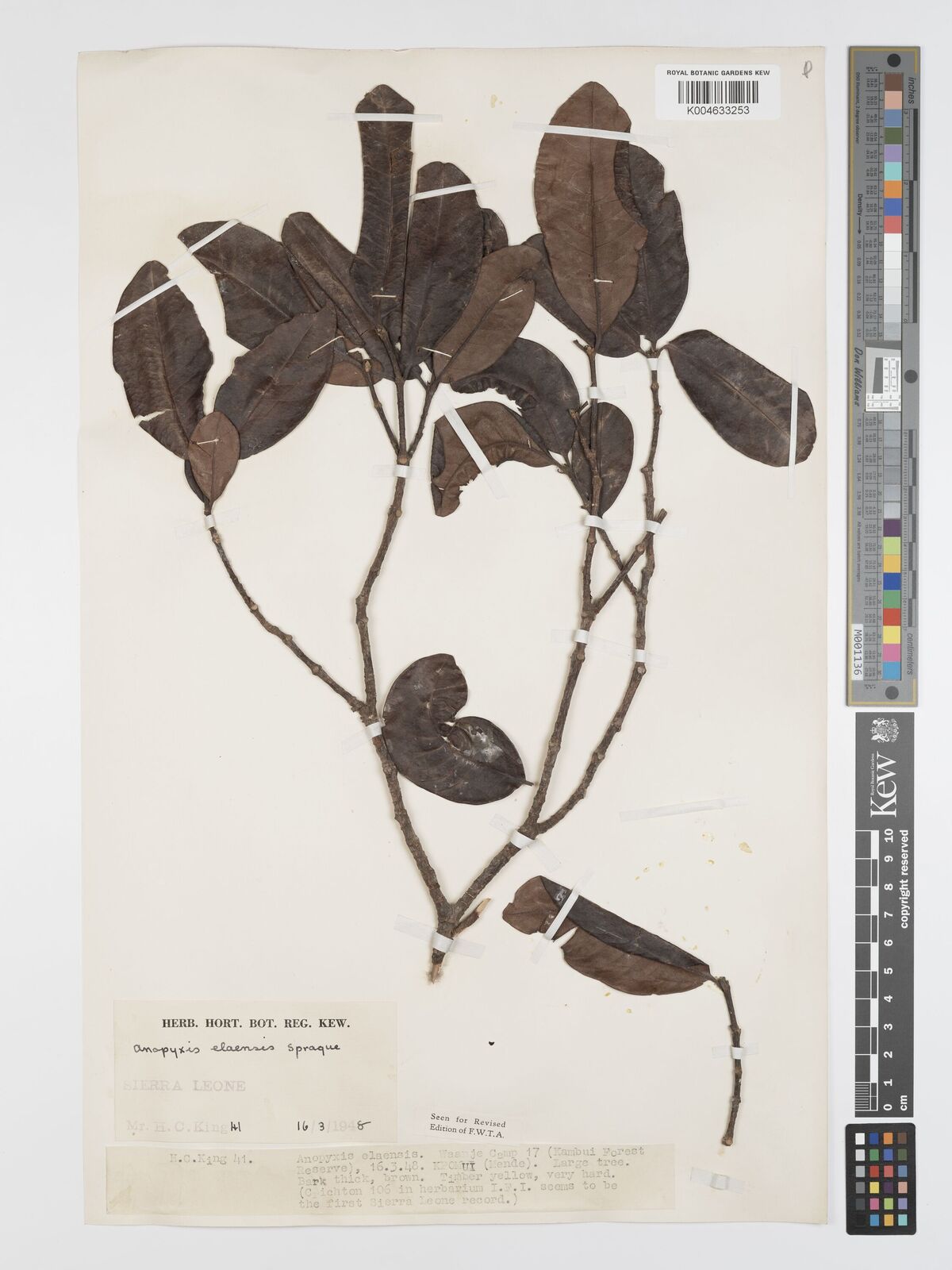
Anopyxis
Anopyxis is a genus of flowering plants in the Rhizophoraceae family. It contains a single species, Anopyxis klaineana, a tree native to West Africa (Guinea, Sierra Leone, Liberia Côte d'Ivoire, Ghana, and Nigeria) and west-central Africa (Cameroon, Gabon, Republic of the Congo, Democratic Republic of the Congo, and Central African Republic). It grows in lowland evergreen rain forest.
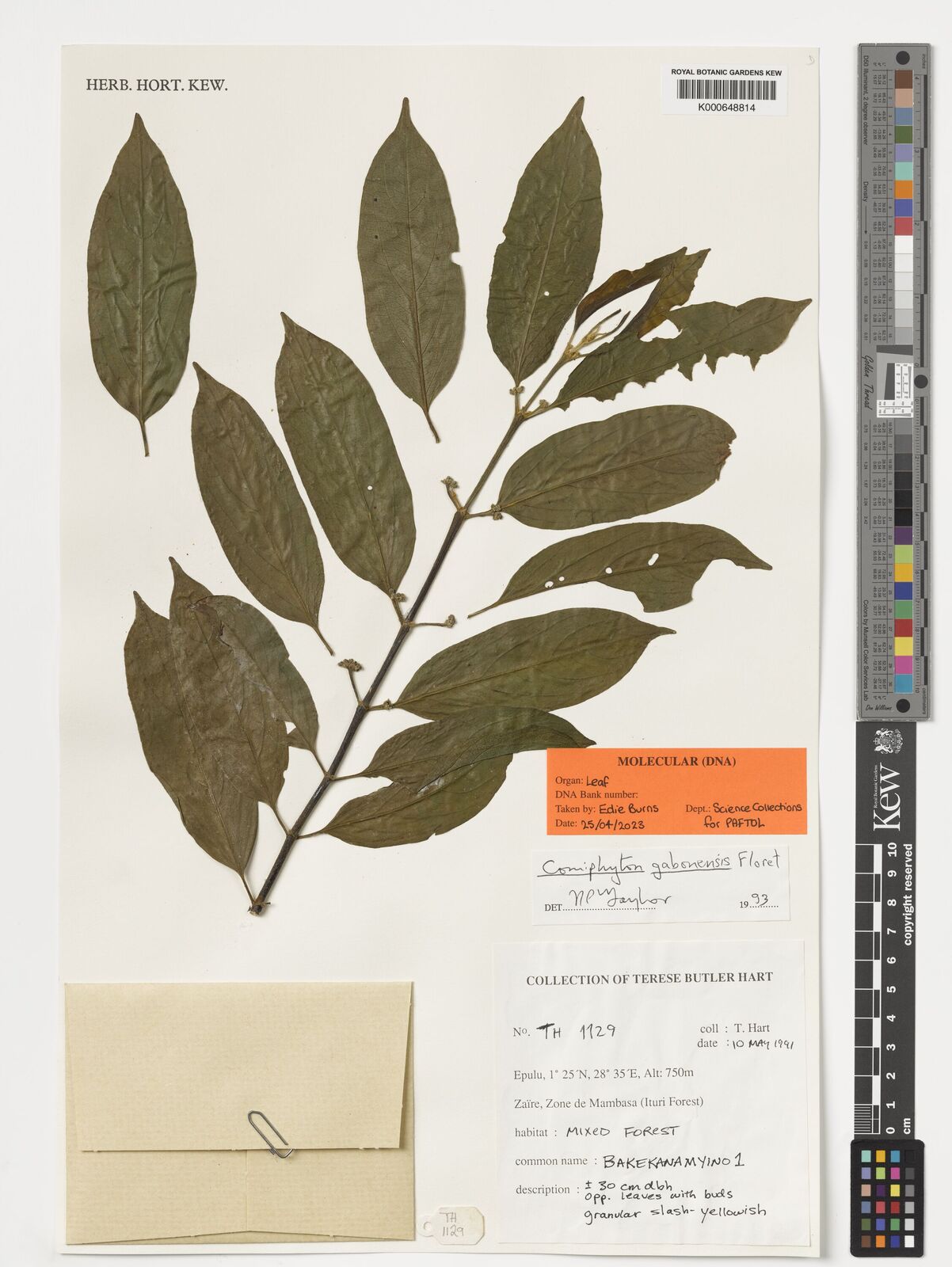
Comiphyton
Comiphyton is a genus of flowering plants belonging to the family Rhizophoraceae. It includes a single species, Comiphyton gabonense, a tree native to Gabon and the Democratic Republic of the Congo in west-central tropical Africa.
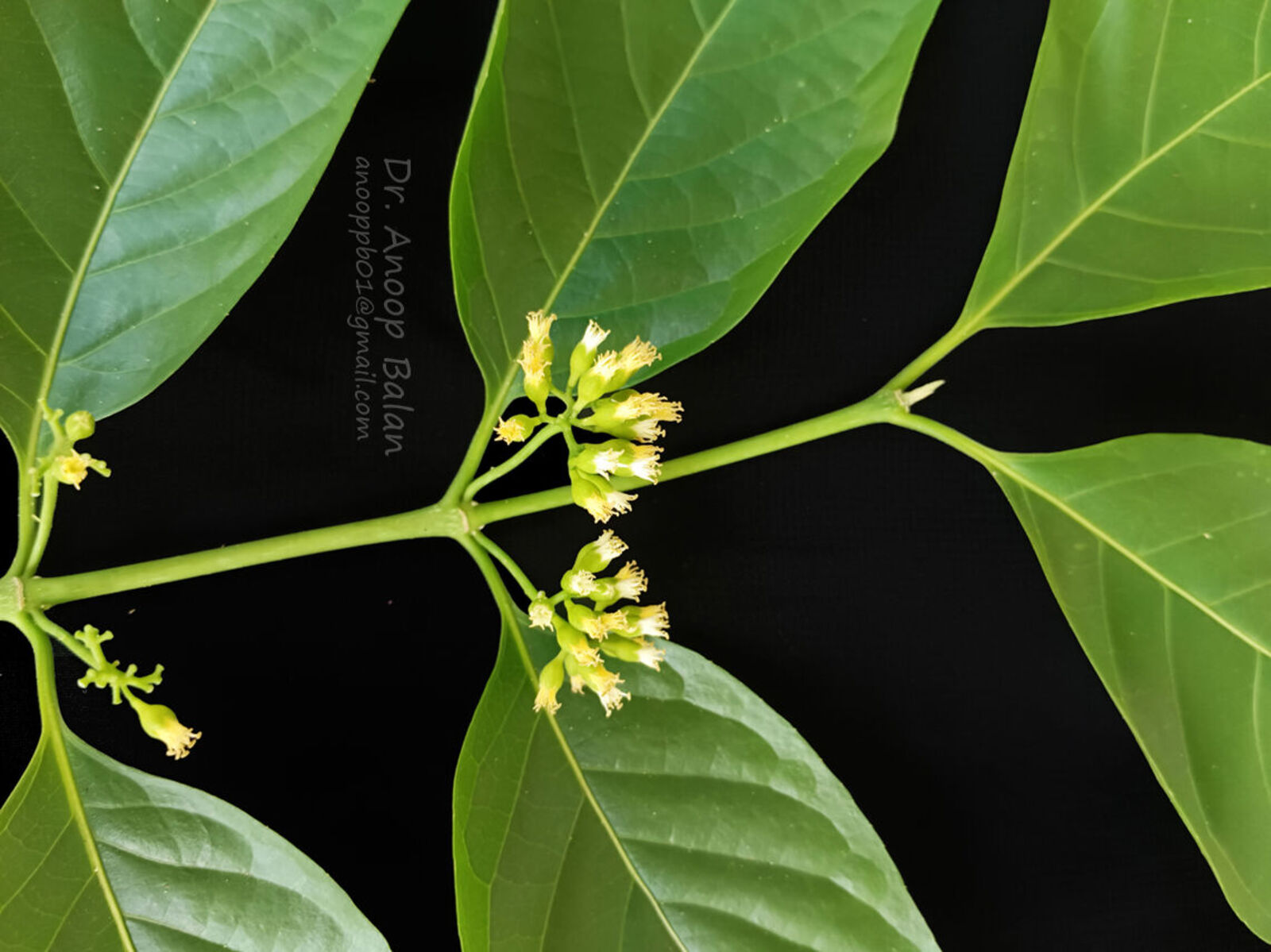
Blepharistemma
Blepharistemma membranifolium is a species of plant in the family Rhizophoraceae, and the only species of the genus Blepharistemma. The tree typically grows in a wet tropical biome and is native to southwest India.
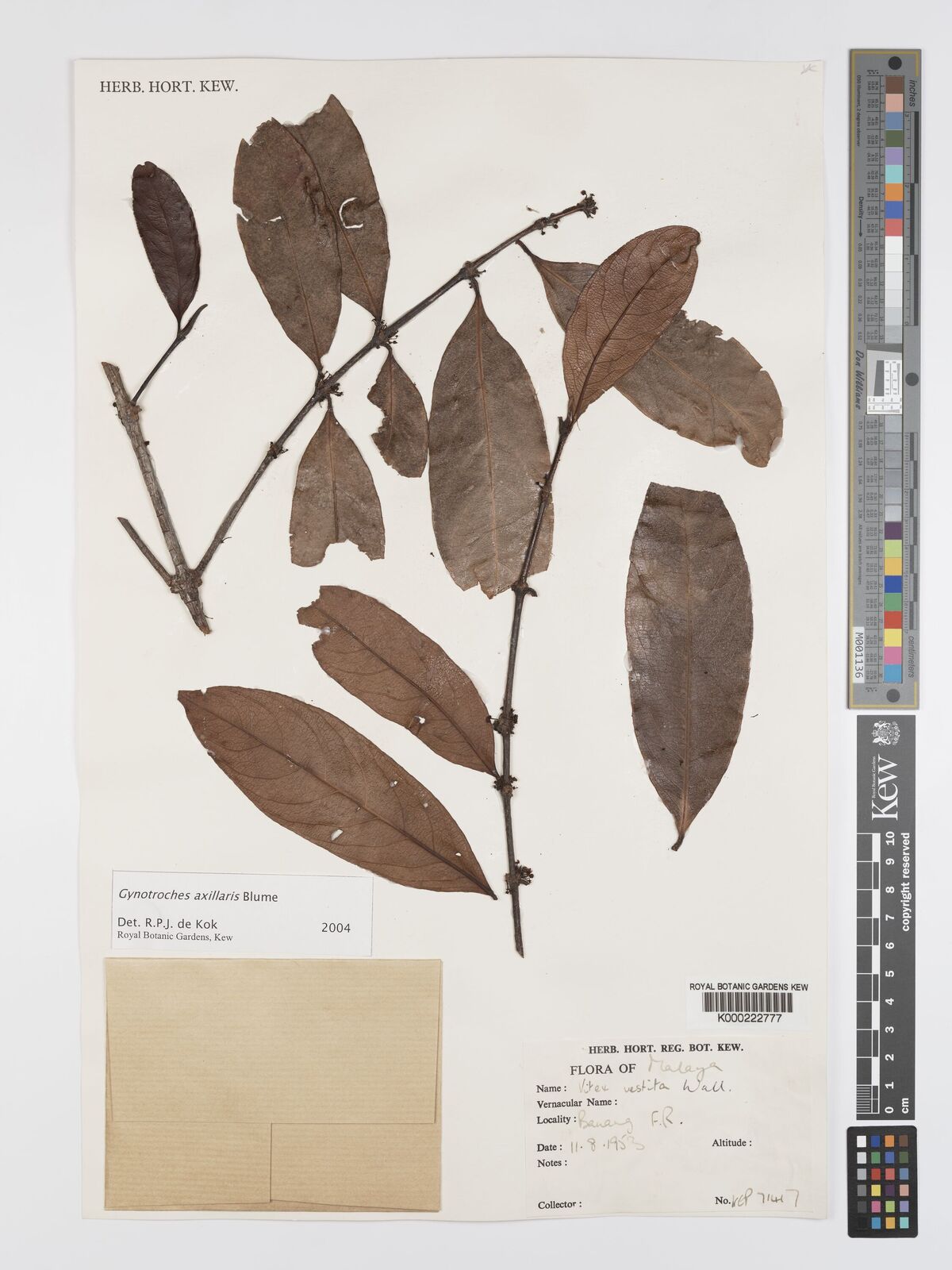
Gynotroches
Gynotroches is a monotypic genus of trees in the family Rhizophoraceae. It contains the single species Gynotroches axillaris. The generic name ' is from the Greek meaning "woman wheel", referring to the shape of the stigma. The specific epithet ' is from the Latin, referring to the axillary position of the flowers.