Category
page 1Rickettsiales

Wolbachia
Wolbachia is a genus of gram-negative bacteria infecting many species of arthropods and filarial nematodes. The relationship between Wolbachia and its hosts ranges from parasitism through benign symbiosis up to obligate mutualism. It is one of the most common parasitic microbes of arthropods, and is possibly the most widespread reproductive parasite bacterium in the biosphere. Its interactions with hosts are complex and highly diverse across the various species in which it is found. Some host species cannot reproduce, or even survive, absent internal Wolbachia colonies. One study concluded tha

Anaplasma
Anaplasma is a genus of gram-negative bacteria of the alphaproteobacterial order Rickettsiales, family Anaplasmataceae.
Rickettsiaceae
The Rickettsiaceae are a family of bacteria. The genus Rickettsia is the most prominent genus within the family. The bacteria that eventually formed the mitochondrion (an organelle in eukaryotic cells) is believed to have originated from this family. Most human pathogens in this family are in genus Rickettsia. They spend part of their lifecycle in the bodies of arthropods such as ticks or lice, and are then transmitted to humans or other mammals by the bite of the arthropod. It contains Gram-negative bacteria, very sensitive to environmental exposure, thus is adapted to obligate intracellular
Rickettsiales
The Rickettsiales, informally called rickettsias, are an order of small Alphaproteobacteria. They are obligate intracellular parasites, and some are notable pathogens, including Rickettsia, which causes a variety of diseases in humans, and Ehrlichia, which causes diseases in livestock. Another genus of well-known Rickettsiales is the Wolbachia, which infect about two-thirds of all arthropods and nearly all filarial nematodes. Genetic studies support the endosymbiotic theory according to which mitochondria and related organelles developed from members of this group. However, more recent examina
Howard Taylor Ricketts
American pathologist (1871–1910)
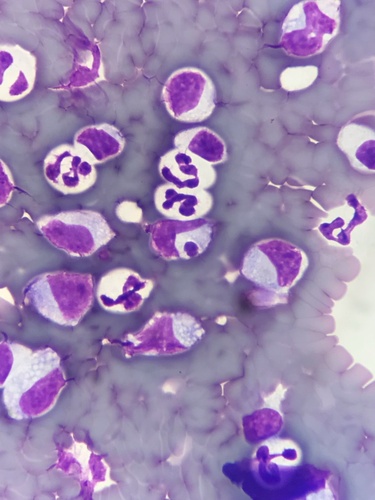
Ehrlichia
Ehrlichia is a genus of Rickettsiales bacteria that are transmitted to vertebrates by ticks. These bacteria cause the disease ehrlichiosis, which is considered zoonotic, because the main reservoirs for the disease are animals.
Ehrlichia ruminantium
species of bacterium
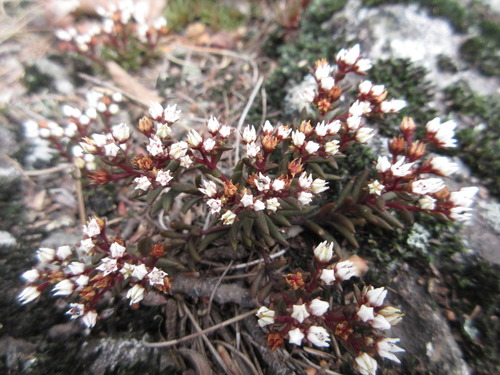
Orientia
Orientia is a genus of bacteria in family Rickettsiaceae. They are obligate intracellular, gram-negative bacteria found in insects and mammals. They are spread through the bites or feces of infected insects.
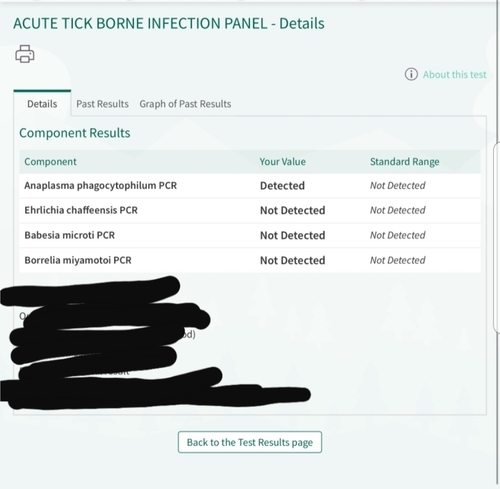
Anaplasma phagocytophilum
species of bacterium
Aegyptianella
Aegyptianella is a genus in the phylum Pseudomonadota (Bacteria).
Holosporaceae
The Holosporaceae are a family of bacteria. The member Holospora is an intracellular parasite found in the unicellular protozoa Paramecium.
Neorickettsia
Neorickettsia is a genus of bacteria. Species or strains in this genus are coccoid or pleomorphic cells that reside in cytoplasmic vacuoles within monocytes and macrophages of dogs, horses, bats, and humans.
Midichloria
'"Candidatus Midichloria"' is a candidatus genus of Gram-negative, non-endospore-forming bacteria, with a bacillus shape around 0.45 μm in diameter and 1.2 μm in length. First described in 2004 with the temporary name IricES1, "Candidatus Midichloria" species are symbionts of several species of hard ticks (e.g., Ixodes ricinus and Ixodes uriae of the Ixodidae family). They live in the cells of the ovary of the females of this tick species. These bacteria have been observed in the mitochondria of the host cells, a trait that has never been described in any other symbiont of animals.
Ehrlichiaceae
The Ehrlichiaceae are a family of bacteria, included in the order Rickettsiales.
Ehrlichia canis
species of bacterium
Neoehrlichia mikurensis
human pathogen