Category
page 1Roofs

roof
thumb|Roofs in the central district of Ystad 2022

dome
A dome () is an architectural element similar to the hollow upper half of a sphere. There is significant overlap with the term cupola, which may also refer to a dome or a structure on top of a dome. The precise definition of a dome has been a matter of controversy and there are a wide variety of forms and specialized terms to describe them.
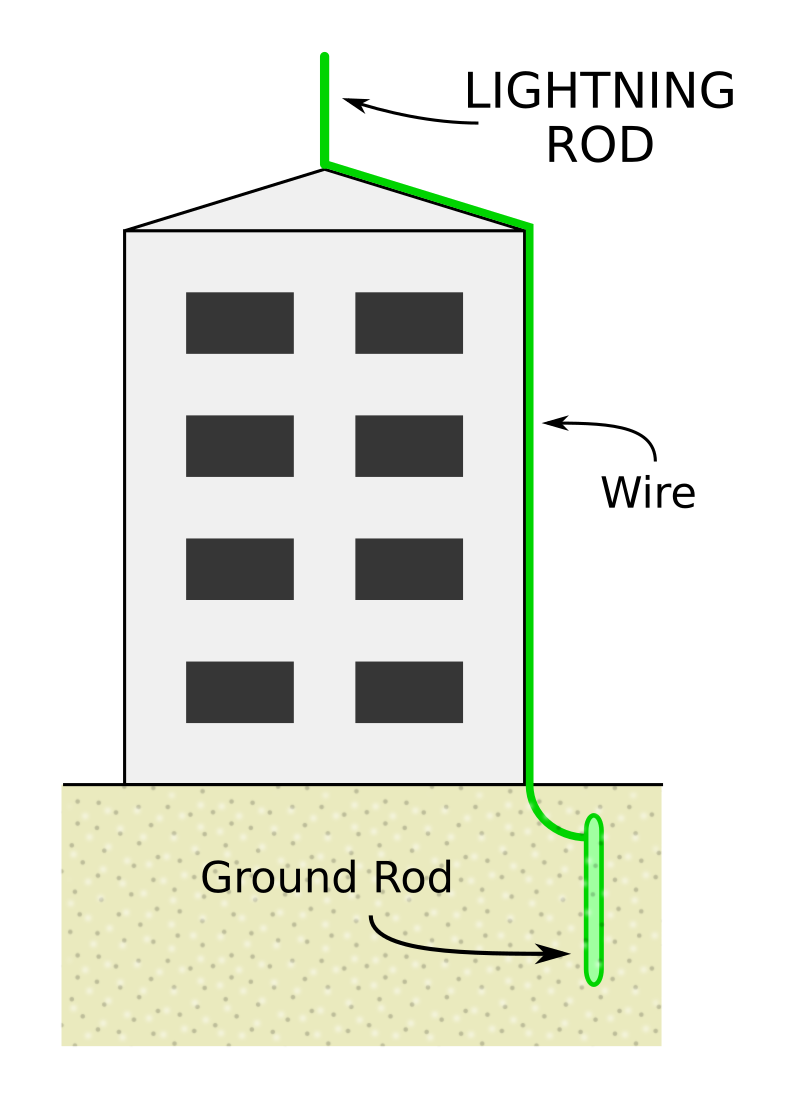
lightning rod
metal rod or metallic object to protect from lightning
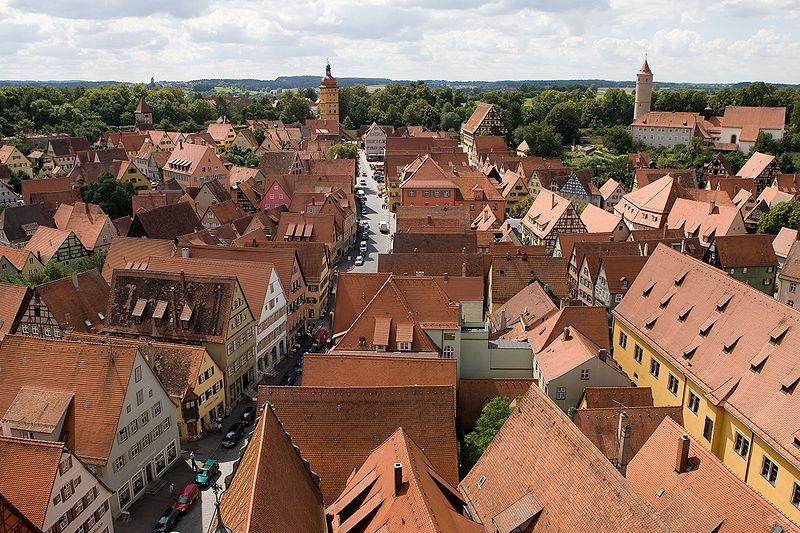
roof tile
tile designed mainly to keep out rain

tile
Tiles are usually thin, square or rectangular coverings manufactured from hard-wearing material such as ceramic, stone, metal, baked clay, or even glass. They are generally fixed in place in an array to cover roofs, floors, walls, edges, or other objects such as tabletops. Alternatively, tile can sometimes refer to similar units made from lightweight materials such as perlite, wood, and mineral wool, typically used for wall and ceiling applications. In another sense, a tile is a construction tile or similar object, such as rectangular counters used in playing games (see tile-based game). The w

mansard roof
four-sided gambrel-style hip roof

dormer
thumb|upright=1.2|Dormer window of the Building of Préfecture de police de Paris (île de la Cité)
thumb|upright=1.2|Gable dormers at Hospices de Beaune in Beaune, France
thumb|upright=1.2|Pair of hip roof dormer windows on the Howard Memorial Hall, [[Letchworth]]

gable
thumb|A single-story house with three gables, although only two can be seen (highlighted in yellow). This arrangement is a crossed gable roof.
thumb|Gable in Finland
thumb|Decorative gable roof at 176–178 St. John's Place, between Sixth and Seventh Avenue in the Park Slope neighborhood of [[Brooklyn, New York City]]
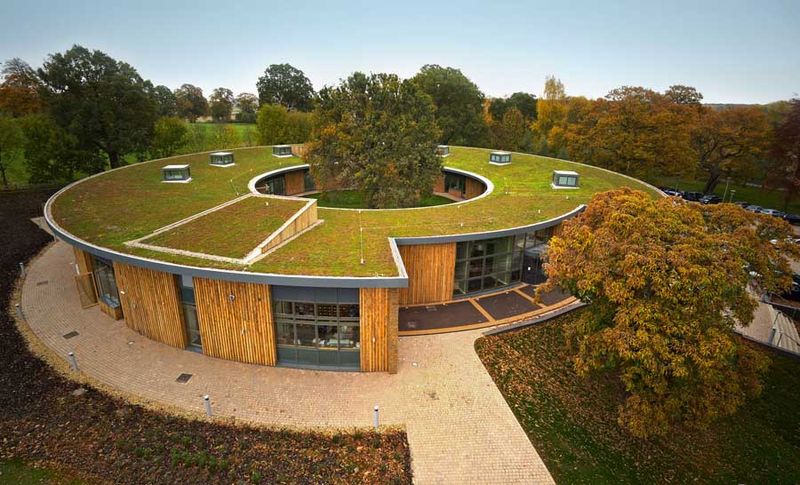
green roof
roof of a building that is partially or completely covered with vegetation and a growing medium, planted over a waterproofing membrane.

rain gutter
component of a water discharge system for a building

acroterion
thumb|right|Examples of acroteria

thatched roof
thumb|right|A thatched public house|pub (The Williams Arms) at [[Wrafton, North Devon, England]]
Thatching is the craft of building a roof with dry vegetation such as straw, water reed, sedge (Cladium mariscus), rushes, heather, or palm branches, layering the vegetation so as to shed water away from the inner roof. Since the bulk of the vegetation stays dry and is densely packed—trapping air—thatching also functions as insulation. It is a very old roofing method and has been used in both tropical and temperate climates. Thatch is still employed by builders in developing countries, usually with
oculus
circular opening in the center of a dome or in a wall
hip roof
type of roof where all sides slope downwards to the walls

eave
thumb|upright|Eaves overhang, shown here with a bracket system of modillions
wood shingle
thin, tapered pieces of wood primarily used to cover roofs and walls of buildings to protect them from the weather

rafter
thumb|Common rafters without collar beams form most of this roof. There is not always a ridge board or beam where the rafter tops meet. Under the midsections of the rafters are purlins which support the common rafters and are supported by principal rafters. This roof ends in an octagonal hip.
thumb|A double roof (using a Norman truss), common rafters supported by principal rafters (top chords in this case) and an unusual extra layer of common rafters on the lower half to form a gallerie. Note how the rafter poles for the gallerie tie-in. The Bequet-Ribault House was built c. 1793 near Ste. Gen
roof lantern
architectural element
gable roof
may have eaves or parapet; with or without rake overhanging
roof garden
planted area on the top covering of a building
.jpg)
skylight
thumb|Skylight in the rotunda of Centro Cultural Banco do Brasil in [[Rio de Janeiro]]
thumb|Oculus (architecture)|Oculus of the [[Pantheon, Rome, an open skylight]]
thumb|Skylight in the vault in the Chapel of the Constable of the Burgos Cathedral, a glazed closed skylight from the 15th century
timber roof truss
structural framework of timbers
bituminous waterproofing
roll roofing and waterproofing material
ridge turret
turret or small tower on sloping roofs of a building

downspout
thumb|Rain gutter and downspout
thumb|A downspout in Strasbourg Place du Chateau.
thumb|Wooden gutter, covered with birch bark (St. Nicholas Church, Vitoslavlicy, Russia - 1650 year)
tented roof
type of polygonal hipped roof with steeply pitched slopes rising to a peak

shikhara
thumb|right|Latina (architecture)|Latina in Khajuraho
flat roof
rooftype
thin-shell structure
lightweight constructions using shell elements
canopy
structure providing shade or shelter
crow-stepped gable
stairstep type of design at the top of the triangular gable-end of a building
pent roof
roof consisting of a single sloping surface

purlin
thumb|A view of a roof using common purlin framing. The purlins are marked in red. This view is from the inside of the building, below the roof. The rafters are the beams of wood angled upward from the ground. They meet at the top of the gable at a ridge beam (also ridge purlin or roof-tree), which has extra bracing to attach it to the rafters. The purlins are the large beams perpendicular to the rafters; from this shot, it appears that there are three purlins on either side of the roof. The sheathing boards are sometimes called the roof deck and are painted white.
A purlin (or historically pu
prang
temple tower in Thailand

finial
thumb|Finial of the dome of the Taj Mahal
roofing
outer material of a roof
roof window
outward opening window that is incorporated as part of the design of a roof

soffit
thumb|200px|Eaves of a house in Northern Australia. The white underside would be referred to as a soffit. In this example the soffit is fixed to the slope of the [[rafters. The dark grey fascia boards form the outer edge and have a groove to receive the soffit lining sheets which cover the rafter tails.]]
thumb|200px|Boxed in soffit on a house in Northern Florida, United States. In this example the soffit material is 12 inches wide and made from center lanced U groove perforated sections of vinyl in a return fashion and fixed to the bottom chord of a [[truss roofing system extending beyond the
roof shingle
overlapping plates for covering a roof
roof knocking
aerial warning shot practice used by Israel Defense Forces

Rake board
alt=|thumb|Bargeboard, 1908 illustration
A bargeboard or rake fascia is a board fastened to each projecting gable of a roof to give it strength and protection, and to conceal the otherwise exposed end grain of the horizontal timbers or purlins of the roof. The word bargeboard is probably from the Medieval Latin bargus, or barcus, a scaffold, and not from the now obsolete synonym vergeboard.
collar beam
horizontal member between two rafters

gambrel
thumb|Barn with a gambrel roof
thumb|A cross-sectional diagram of a mansard roof, which is a hipped gambrel roof
saw-tooth roof
roof comprising a series of ridges with dual pitches either side

bochka roof
metal roof
roof made of metal
membrane structure
spatial structure made out of tensioned membranes

reflective surfaces
form of climate engineering
East Asian hip-and-gable roof
type of roof in East Asian architecture
Pyatthat
thumb|An example of a pyathat-roofed building at Wat Srichum in Lampang, Thailand
thumb|The Mandalay Palace's Great Audience Hall features a prominent seven-tiered pyatthat.
sima
upturned edge of an ancient roof
sod roof
A sod roof, or turf roof, is a traditional Scandinavian type of green roof covered with sod on top of several layers of birch bark on gently sloping wooden roof boards.
butterfly roof
type of roof
onigawara
thumb|250px|Onigawara on the roof of Tokyo University of the Arts
asphalt shingle
type of shingle
karahafu
thumb|250px|Drawings of a kara-hafu
is a type of curved gable found in Japanese architecture. It is used on Japanese castles, Buddhist temples, and Shinto shrines. Roofing materials such as tile and bark may be used as coverings. The face beneath the gable may be flush with the wall below, or it may terminate on a lower roof.
Diagrid
thumb|Base of 30 St Mary Axe, London, UK
thumb|The world's first hyperboloid structure|world's first diagrid hyperboloid structure in Polibino, Russia
thumb|MyZeil, Frankfurt, Germany
thumb|CCTV Headquarters, Beijing, China
rain chain
decorative chain guiding water falling from a roof
Chhajja
thumb|The tomb of Salim Chishti in [[Fatehpur Sikri (India) exhibiting a deep chhajja following the perimeter of the building supported with elaborate brackets]]
A chhajja is an overhanging eave or roof covering found in Indian architecture. It is characterised with large support brackets with different artistic designs. Variation is also seen in its size depending on the importance of the building on which it features or the choice of the designer.
tar paper
heavy-duty paper used in construction