Category
page 1Safavid Iran
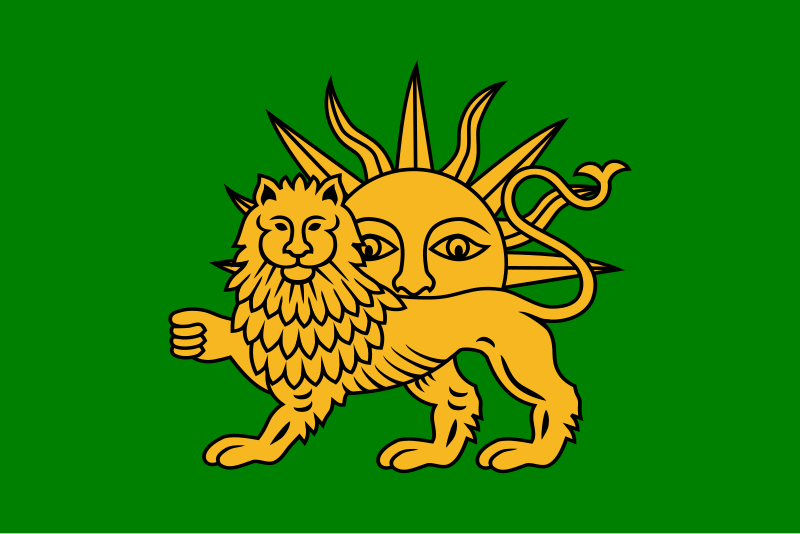
Safavid dynasty
dynasty from Safi-ad-din Ardabili generation and ruler of Safavid Iran (1501–1736)
Safavid Iran
historical empire that existed between 1501 and 1736
Abbasi
Persian silver coin
Georgian abazi
Silver coin
Shahnameh of Shah Tahmasp
illustrated manuscript of the Shahnameh
Guarded Domains of Iran
common and official name of Iran from the Safavid era, until the early 20th century
Principality of Bitlis
principality
Safavid conversion of Iran to Shia Islam
historical event

Şahkulu Revolt
1511 uprising against the Ottomans
Safavid art
art of the Safavid Empire
Mausoleum of Sheikh Juneyd
16th century site in Qusar Region, Azerbaijan
Ardabil Bazaar
bazaar in Ardabil, Iranian national heritage site
Musha'sha'iyyah
thumb|right|Shah Ismail I (1501-1524) watches his troops defeat the Musha'sha leader Sultan Fayyad. Album-mounted folio of Bijan's history created by [[Mo'en Mosavver, ]]
The '''Musha'sha' (also spelled Mosha'sha''''; ) were a Shi'i Arab dynasty based in the town of Huwaizah in Khuzestan, ruling from 1435 to 1736. Initially starting out as a tribal confederation, they gradually transformed into a zealous Isma'ili Shi'i dynasty. The independence of the Musha'sha' was put to an end in 1508 by the Safavid shah Ismail I (), who claimed to be the only legitimate Shi'i ruler. Following this, the Mus
Joseph Labrosse
French missionary
list of Safavid Viziers
Wikimedia list article
Mīnākārī
thumb|An example of Meenakari from Iran.
The Lovers
painting by Reza Abbasi, Metropolitan Museum of Art

school of Isfahan
religious, philosophical school of thought
Emirate of Bradost
kurdish emirate
Zagem
thumb|A portion of the 1693 map by Robert Morden showing the Kingdom of Kakheti (Reg. de Cachet) with the town of Zagem (Zagan).
Zagem or Bazari () was a town in the southeast Caucasus, in the eastern Georgian kingdom of Kakheti. It flourished from the 15th to the 17th century as a vibrant commercial and artisanal centre. In the 1550s, it became a dependency of the Karabakh–Ganja province of Safavid Iran. The fortunes of the town were reversed by Safavid military actions in the area in 1615. By the 1720s, the town had been reduced to an insignificant hamlet. The settlement was located in what
Safavid Talish
Governorate of Safavid Iran
Battle of Jam
Sheikh-Zahed Tomb
Iranian national heritage site
Sophy
term for the ruler of the Safavid dynasty of Iran
Farangi-Sazi
thumb|"Bahram V|Bahram Gur with the Indian Princess," [[Mohammad Zaman, 1675/76]]
Farangi-Sazi (Persian: فرنگیسازی, lit. 'making in an Occidental manner') was a style of Persian painting that originated in Safavid Iran in the second half of the 17th century. This style of painting emerged during the reign of Shah Abbas II (r. 1642–1666), but first became prominent under Shah Solayman I (r. 1666–1694).