Category
page 1Samurai

samurai
right|thumb|The mounted archer represented the quintessential samurai.
The were members of the professional warrior class in pre-industrial Japan, who served as retainers to the lords. These men came from warrior families and trained from a young age in military arts through private instruction. Swordsmanship, archery, and horsemanship were the primary martial skills; and often in Japanese history, only samurai had the right to even possess these weapons. These weapons required years of training to master, and this commitment made the samurai superior to conscripts and militia, the latter who

Q193344
Japanese swordsman, philosopher, strategist, writer, artist, and rōnin (1584–1645)
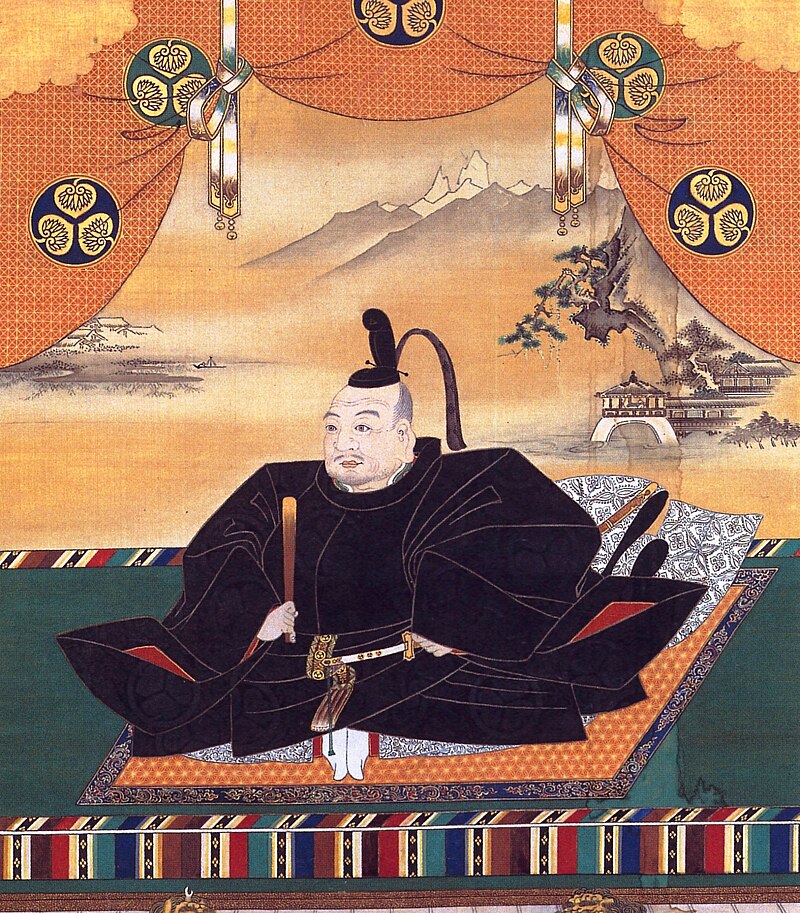
Tokugawa Ieyasu
founder and first shogun of the Tokugawa shogunate of Japan (1543–1616)

Toyotomi Hideyoshi
Japanese samurai and daimyo (1537–1598)
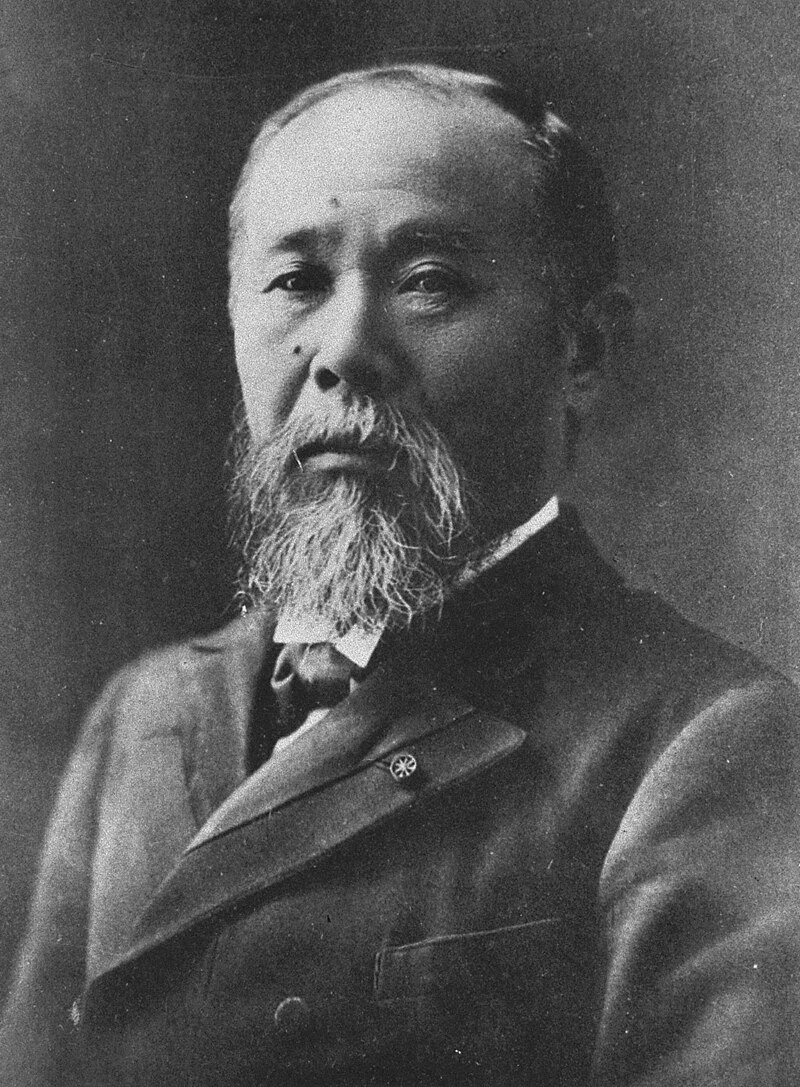
Itō Hirobumi
1st, 5th, 7th and 10th Prime Minister of Japan (1841–1909)

ronin
thumb|right|A woodblock print by ukiyo-e master [[Utagawa Kuniyoshi depicting famous rōnin Miyamoto Musashi having his fortune told]]
thumb|right|Ukiyo-e woodblock print by Yoshitoshi depicting Oishi Chikara, one of the forty-seven rōnin
In feudal Japan to early modern Japan (1185–1868), a rōnin ( ; , , 'drifter' or 'wandering man', ) was a samurai who had no lord or master and in some cases, had also severed all links with his family or clan. A samurai became a rōnin upon the death of his master, or after the loss of his master's favor or legal privilege.

bushido
thumb|A samurai in Japanese armour|his armor in the 1860s. Hand-colored photograph by [[Felice Beato]]

Ōkuma Shigenobu
Japanese politician (1838-1922)

Tōgō Heihachirō
Japanese admiral of the fleet (1848–1934)

Saigō Takamori
samurai of the Satsuma domain, supreme commander of Japanese army, one of the three great nobles who led the Meiji Restoration (1828-1877)

Boshin War
civil war in Japan, fought from 1868 to 1869

Minamoto no Yoritomo
1st shogun of the Kamakura shogunate (1147–1199)

Yamagata Aritomo
Japanese military leader and statesman (1838–1922)
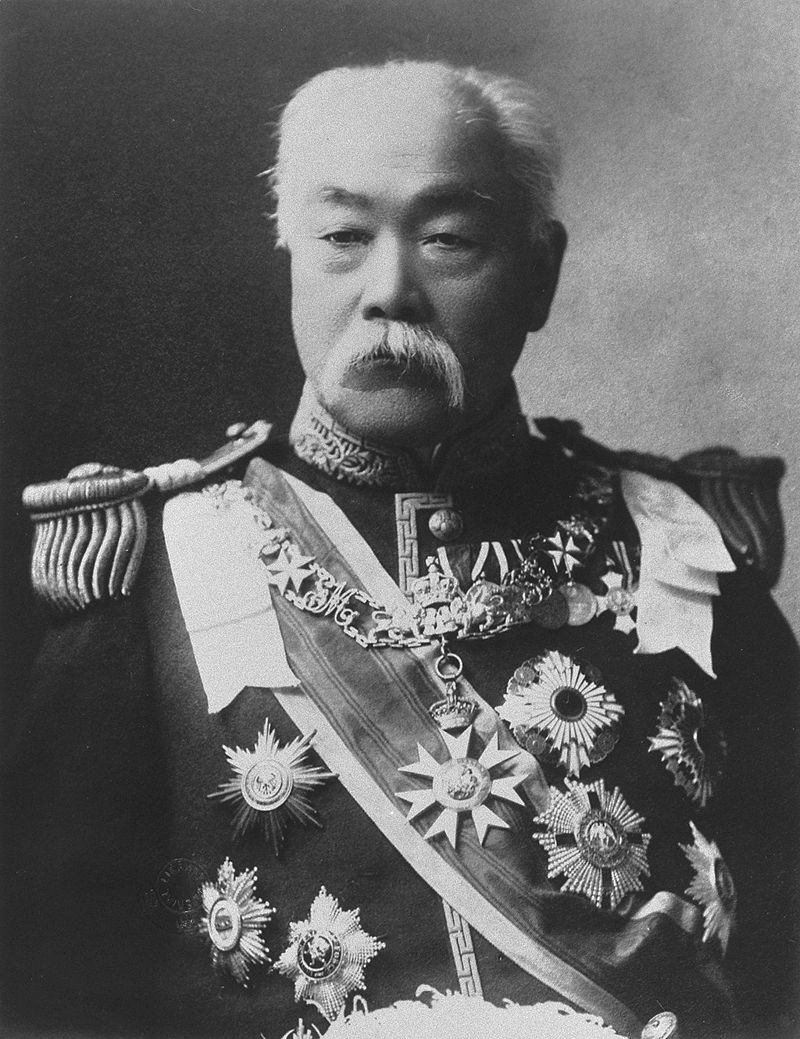
Matsukata Masayoshi
Japanese politician (1835-1924)
Ōkubo Toshimichi
one of the three great nobles who led the Meiji Restoration, regarded as one of the main founders of modern Japan (1830-1878)

Kuroda Kiyotaka
Japanese general (1840-1900)

Tokugawa Yoshinobu
15th and last shogun of the Tokugawa shogunate (1837–1913)
Sakamoto Ryōma
Japanese samurai and politician (1836–1867)

Yamamoto Gonnohyōe
Prime Minister of Japan (1852-1933)
Republic of Ezo
short-lived state established in 1869 by former Tokugawa retainers in what is now known as Hokkaido, notable for being the first government to attempt to institute democracy in Japan

William Adams
English navigator who travelled to Japan

Minamoto no Yoshitsune
samurai of the late Heian and early Kamakura period

Yasuke

Katō Kiyomasa
16th-century Japanese daimyo (1562-1611)
Yamamoto Tsunetomo
samurai (1659-1719)

Toyotomi Hideyori
Japanese samurai (1593-1615)
Ōyama Iwao
Japanese general (1842-1916)

Nogi Maresuke
Japanese general (1849-1912)
Ishida Mitsunari
samurai who led the Western army in the Battle of Sekigahara
Hattori Hanzō
samurai of the Sengoku era; famous as ninja master

Saigyō
was a Japanese poet of the late Heian and early Kamakura period.

Kido Takayoshi
Japanese samurai of the Mito Domain and one of the three great nobles who led the Meiji Restoration (1833-1877)
Itagaki Taisuke
Japanese politician (1837–1919)

Hagakure
thumb|Prohibited book of Nabeshima, Hagakure The Analects (abridged). 1939 edition.
thumb|upright|Cover of The Book of the Samurai
Hagakure (Kyūjitai: ; Shinjitai: ; ; meaning Hidden by the Leaves or Hidden Leaves), or , is a practical and spiritual guide for a warrior, drawn from a collection of commentaries by the clerk Yamamoto Tsunetomo, former retainer to Nabeshima Mitsushige (July 10, 1632 – July 2, 1700), the third ruler of what is now Saga Prefecture in Japan. compiled these commentaries from his conversations with Tsunetomo from 1709 to 1716; however, it was not published until many y

Minamoto no Sanetomo
3rd shogun of Kamakura shogunate and poet

ashigaru
thumb|right|250px|Ashigaru wearing armor and jingasa firing tanegashima (Japanese matchlocks)
Kusunoki Masashige
samurai
Katsu Kaishū
Japanese noble, statesman and naval engineer (1823–1899)
Minamoto no Yoshinaka
12th century samurai
Sanada Yukimura
16th Century Commander and Legendary Warrior of the Sengoku Period

Kintarō
thumb|180px|right|A young Kintarō battling Namazu, in a print by Yoshitoshi
is a folk hero from Japanese folklore. A child of superhuman strength, he was raised by a yama-uba ("mountain witch") on Mount Ashigara. He became friendly with the animals of the mountain, and later, after catching Shuten-dōji, the terror of the region around Mount Ōe, he became a loyal follower of Minamoto no Yorimitsu under the new name . He is a popular figure in Bunraku and kabuki drama, and it is a custom to put up a Kintarō doll on Boy's Day in the hope that boys will become equally brave and strong.
Maeda Toshiie
general of Oda Nobunaga following the Sengoku period
Sasaki Kojirō
Japanese swordsman
Inoue Kaoru
Japanese politician (1836-1915)

Justo Takayama
Japanese catholic daimyo, martyr and blessed
Kodama Gentarō
Japanese general (1852-1906)
Mōri Terumoto
daimyo
Takeda Sōkaku
Japanese martial artist (1859-1943)
Konishi Yukinaga
Japanese daimyō who served Toyotomi Hideyoshi
Sakanoue no Tamuramaro
General and shogun
Takasugi Shinsaku
samurai (1839-1867)
Shibusawa Eiichi
Japanese industrialist known as the "father of Japanese capitalism" (1840-1931)
Amakusa Shirō
leader of the Shimabara Rebellion

Bujinkan
The is an international martial arts organization based in Japan and headed by Masaaki Hatsumi. The combat system taught by this organization comprises nine separate ryūha, or schools, which are collectively referred to as Bujinkan Budō Taijutsu. The Bujinkan is most commonly associated with ninjutsu. However, Masaaki Hatsumi uses the term Budo (meaning martial way) as he says the ryūha are descended from historical samurai schools that teach samurai martial tactics and ninjutsu schools that teach ninja tactics.
Honda Tadakatsu
daimyo (1548-1610)
Okita Sōji
Japanese swordsman
Yamamoto Kansuke
Samurai of the Sengoku period (1501–1561)
Katō Yoshiaki
daimyo
Minamoto no Yoshitomo
samurai of the late Heian period; the head of the Minamoto clan
Ukita Hideie
Daimyo of Bizen and Mimasaka provinces