Category
page 1Satyrs

Pan
Greek god of the mountain wilds, shepherds, flocks, rustic music, fertility, spring, and theatrical criticism, with the hindquarters, legs, and horns of a goat
.jpg)
satyr
In Greek mythology, a satyr (, ), also known as a silenus or silenos ( ), and sileni (plural), is a male nature spirit with ears and a tail resembling those of a horse, as well as a permanent, exaggerated erection. Early artistic representations sometimes include horse-like legs, but, by the sixth century BC, they were more often represented with human legs. Comically hideous, they have mane-like hair, bestial faces, and snub noses and they always are shown naked. Satyrs were characterized by their ribaldry and were known as lovers of wine, music, dancing, and women. They were companions of th

Marsyas
thumb|upright|220px|''Marsyas receiving Apollo's punishment'', Istanbul Archaeology Museums|İstanbul Archaeology Museum

Silenus
In Greek mythology, Silenus (; or ) was a companion and tutor to the wine god Dionysus. He is typically older than the satyrs of the Dionysian retinue (thiasos), and sometimes considerably older, in which case he may be referred to as a Papposilenus. Silen and its plural sileni refer to the mythological figure as a type that is sometimes thought to be differentiated from a satyr by having the attributes of a horse rather than a goat, though usage of the two words is not consistent enough to permit a sharp distinction.
%2002.jpg)
Comus
thumb|upright=2|The Reign of Comus by Lorenzo Costa

Ampelos
250px|thumb|right|Bacchus e Ampelus (Uffizi, Florence)
Ampelos (, lit."Vine") or Ampelus (Latin) was a personification of the grapevine and lover of Dionysus in Greek and Bacchus in Roman mythology. He was a satyr that Dionysus either turned into a constellation or the grape vine.
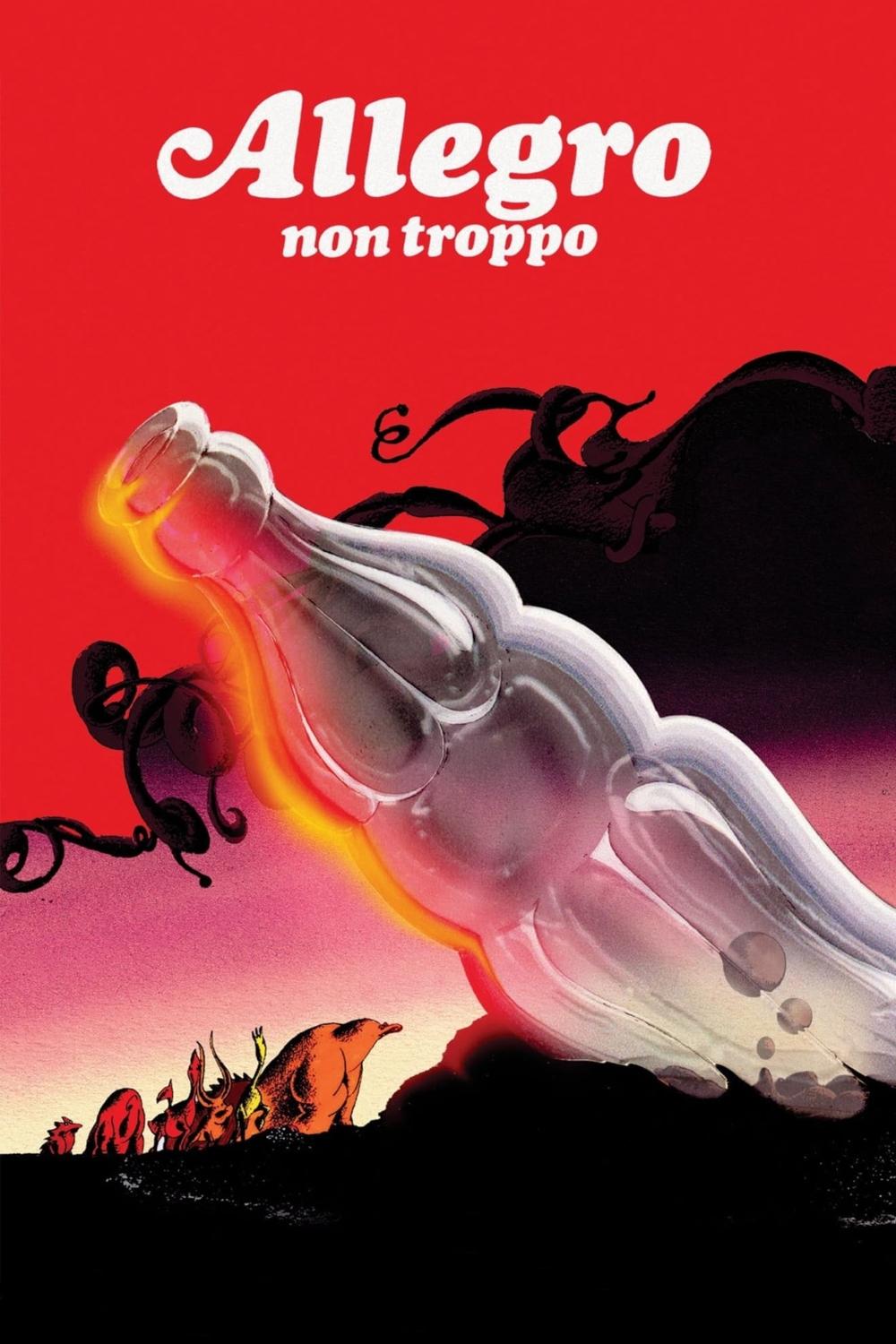
Allegro non troppo
1976 film by Bruno Bozzetto
Pope Lick Monster
Urban legend
nebris
animal skin, especially fawn-skin, worn as a garment, associasted with the cult of Dionysos
Babys
satyr in Greek mythology
Lake Worth Monster
legendary creature in Texan folklore
Glaistig
The glaistig is a ghost from Scottish mythology, a type of fuath. It is also known as — the Green Maiden — and may appear as a woman of beauty or monstrous mien, as a half-woman and half-goat similar to a faun or satyr, or in the shape of a goat. The lower goat half of her hybrid form is usually disguised by a long, flowing green robe or dress, and the woman often appears grey with long yellow hair. This appearance may have been influenced by, or influenced, the closely related Norse folklore of "hidden-folk", or , across Scandinavia — along with the Faeroe Isles and — being beautiful women us