Category
page 1Scotism

Sixtus IV
pope of the Catholic Church from 1471 to 1484
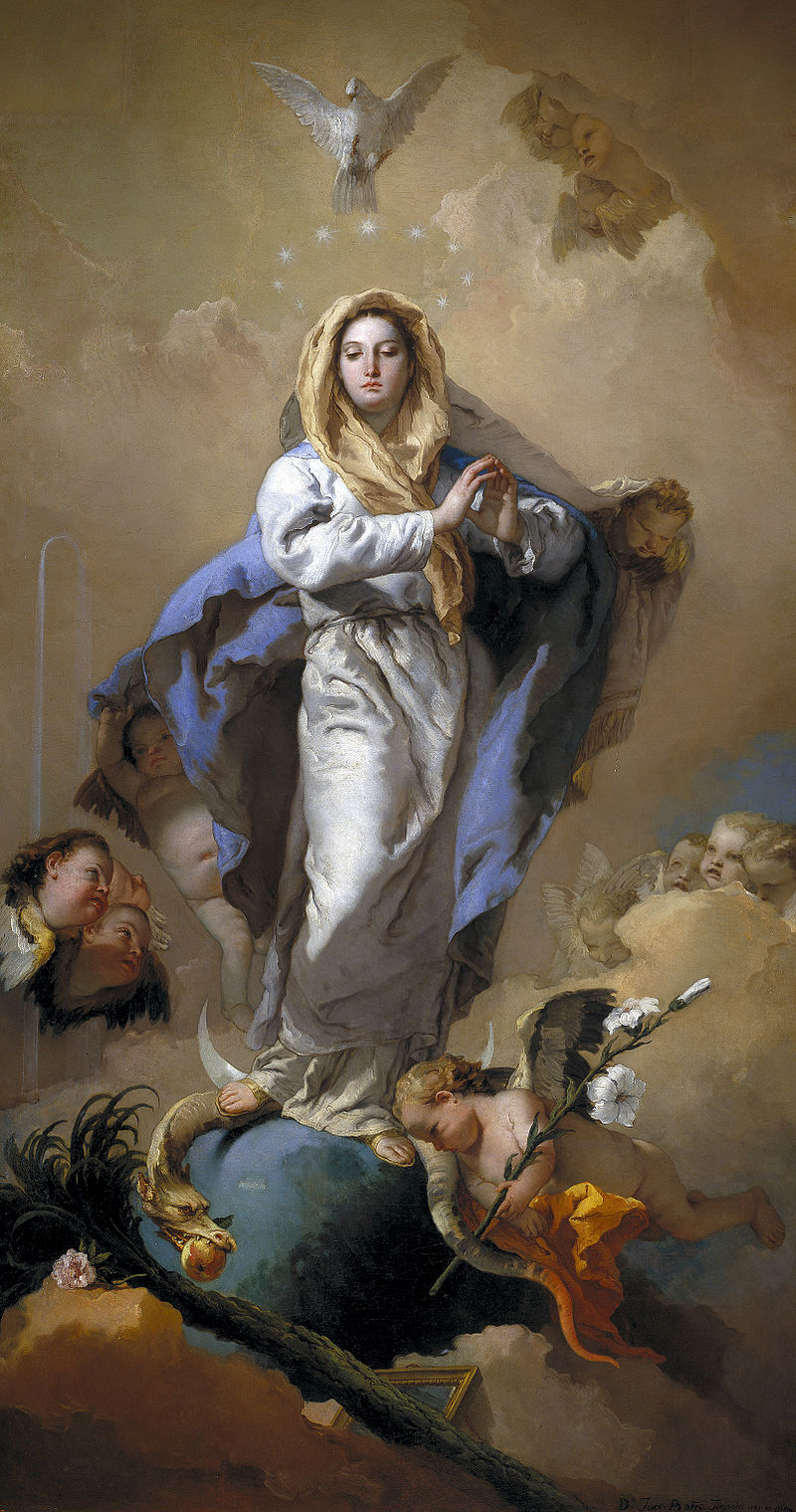
Immaculate Conception of Mary
teaching that Mary was conceived free from original sin
voluntarism
school of thought in metaphysics, psychology, sociology, and theology
hylomorphism
Hylomorphism is a philosophical doctrine developed by the Ancient Greek philosopher Aristotle, which conceives every physical entity or being (ousia) as a compound of matter (potency) and substantial form (act), with the generic form as immanently real within the individual. The word is a 19th-century term formed from the Greek words ὕλη (hyle: "wood, matter") and μορφή (morphē: "form"). Hylomorphic theories of physical entities have been undergoing a revival in contemporary philosophy.

Scotism
thumb|alt= .|Blessed John Duns Scotus (c.1265-1308), the [[eponym of Scotism.]]
haecceity
Haecceity (; from the Latin , 'thisness') is a term from medieval scholastic philosophy, coined by followers of Duns Scotus to denote a concept that he seems to have originated: the irreducible determination of a thing that makes it this particular thing. Haecceity is a person's or object's thisness, the individualising difference between the concept "a person" and the concept "Socrates" (i.e., a specific person). In modern philosophy of physics, it is sometimes referred to as primitive thisness.
Petrus Aureolus
French philosopher

Luke Wadding
Irish Franciscan historian
univocity of being
the idea that words describing the properties of God mean the same thing as when they apply to people or things, even if God is vastly different in kind
Alvarus Pelagius
Spanish lawyer and bishop
ontotheology
Ontotheology () is the ontology of God and/or the theology of being. While the term was first used by Immanuel Kant, it has only come into broader philosophical parlance with the significance it took for Martin Heidegger's later thought. While, for Heidegger, the term is used to critique the whole tradition of 'Western metaphysics', much recent scholarship has sought to question whether 'ontotheology' developed at a certain point in the metaphysical tradition, with many seeking to equate the development of 'ontotheological' thinking with the development of modernity, and Duns Scotus often bein
Francis of Mayrone
French philosopher

Antonius Andreas
Spanish Franciscan theologian
Bartholomew Mastrius
Italian theologian
Angelo Carletti di Chivasso
Franciscan moral theologian

Paul Scriptoris
German mathematician
Charles Balic
Croatian Franciscan Mariologist (1899–1977)
John Baconthorpe
14th-century English monk and philosopher
Matthew Ferchi
Croatian philosopher

John Punch
Irish Franciscan scholastic philosopher and theologian

Aodh Mac Cathmhaoil
Irish Franciscan Archbishop of Armagh (1571–1626)
Philip Faber
Italian Franciscan theologian (1564-1630)
Jacques Almain
French theologian