Category
page 1Secotioid fungi

Agaricus deserticola
species of fungus

Podaxis pistillaris
species of fungus
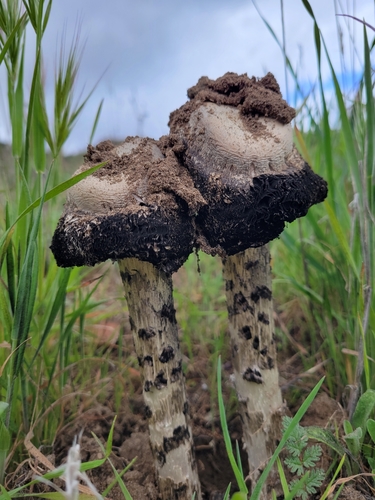
Montagnea arenaria
species of fungus
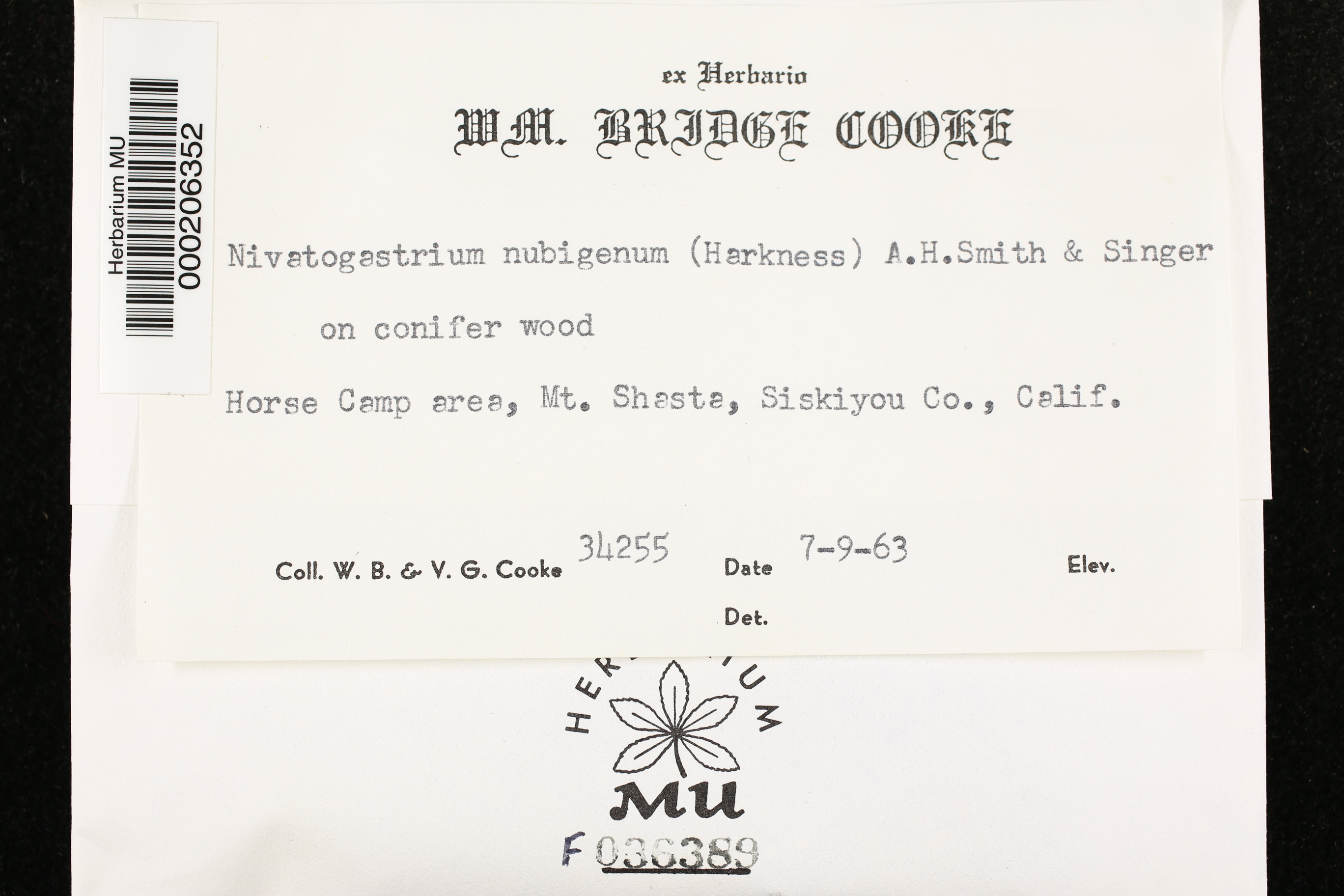
Nivatogastrium nubigenum
species of fungus
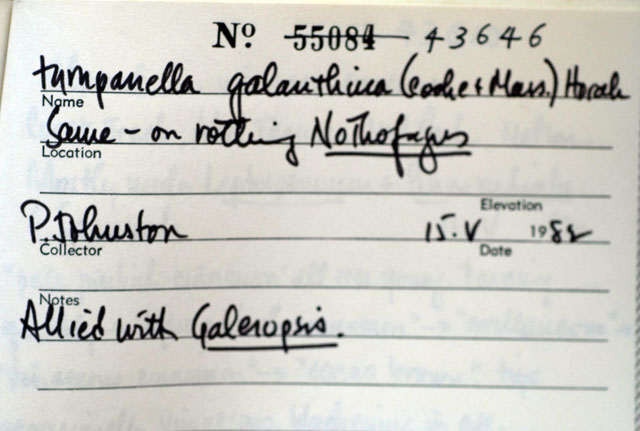
Tympanella galanthina
species of fungus

Chamonixia caespitosa
species of fungus
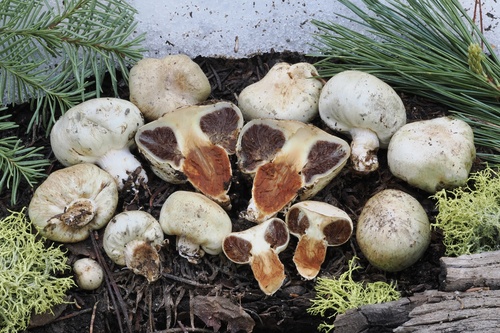
Nivatogastrium
Nivatogastrium is a genus of secotioid fungi in the family Strophariaceae. The genus has contained four species found in North America and New Zealand, but the type species, Nivatogastrium nubigenum, is now considered to be a gasteroid species of Pholiota, and was transferred to that genus in 2014.
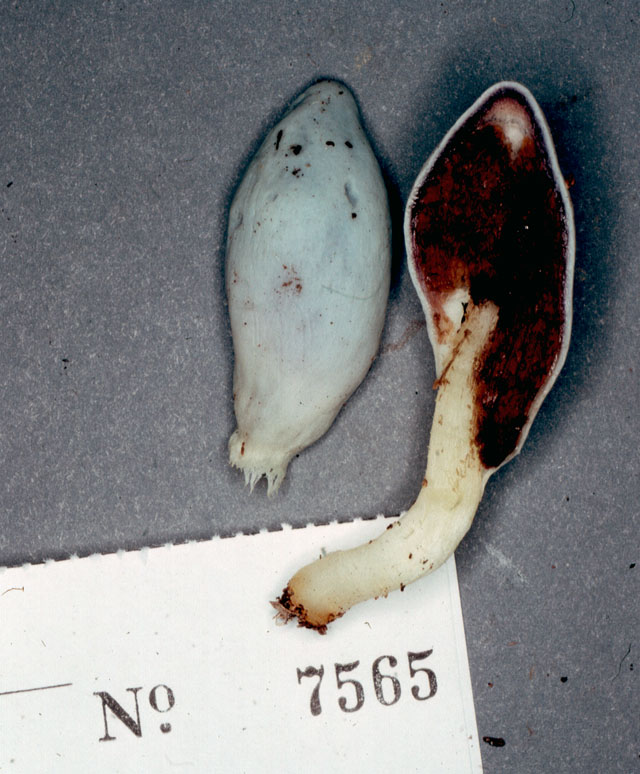
Weraroa
thumb|right|A cross-section of the type species Weraroa novae-zelandiae (Psilocybe weraroa).

Leratiomyces erythrocephalus
species of fungus
Cribbea
Cribbea is a genus of secotioid fungi in the family Physalacriaceae. The genus has a widespread distribution in southern temperate areas, and, according to a 2008 estimate, contains four species. A new species, Cribbea turbinispora, was reported from Australia in 2009, and in the same publication, C. lamellata was synonymized with C. gloriosa. The genus is named after mycologist Joan Cribb, in recognition of her contribution to fungal taxonomy.
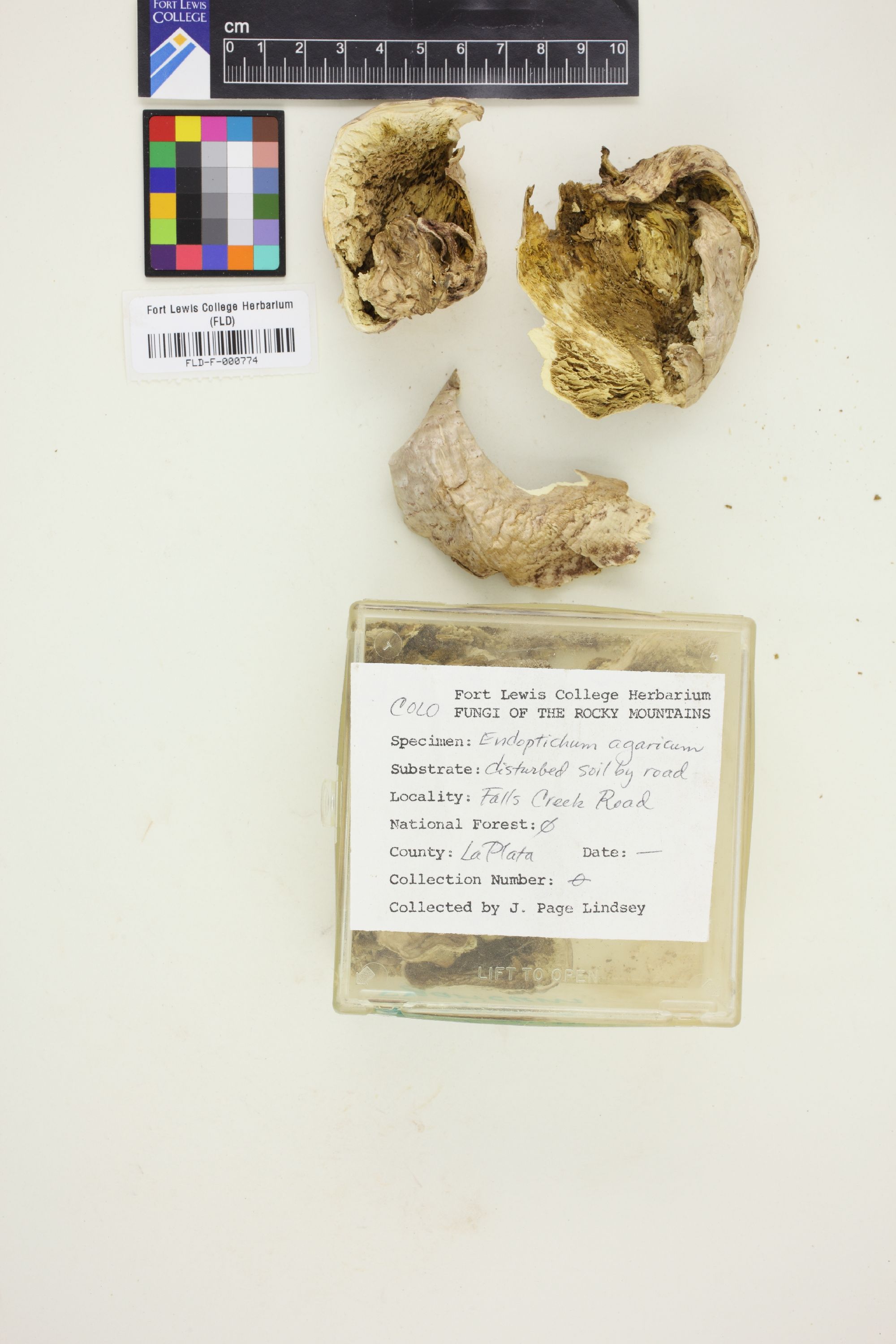
Endoptychum
Endoptychum is a genus of secotioid fungi in the family Agaricaceae. Like the majority of secotioid taxa, the individual species of Endoptychum are thought to be recent mutations from agaricoid species, hence, Endoptychum is likely not a valid monophyletic genus.
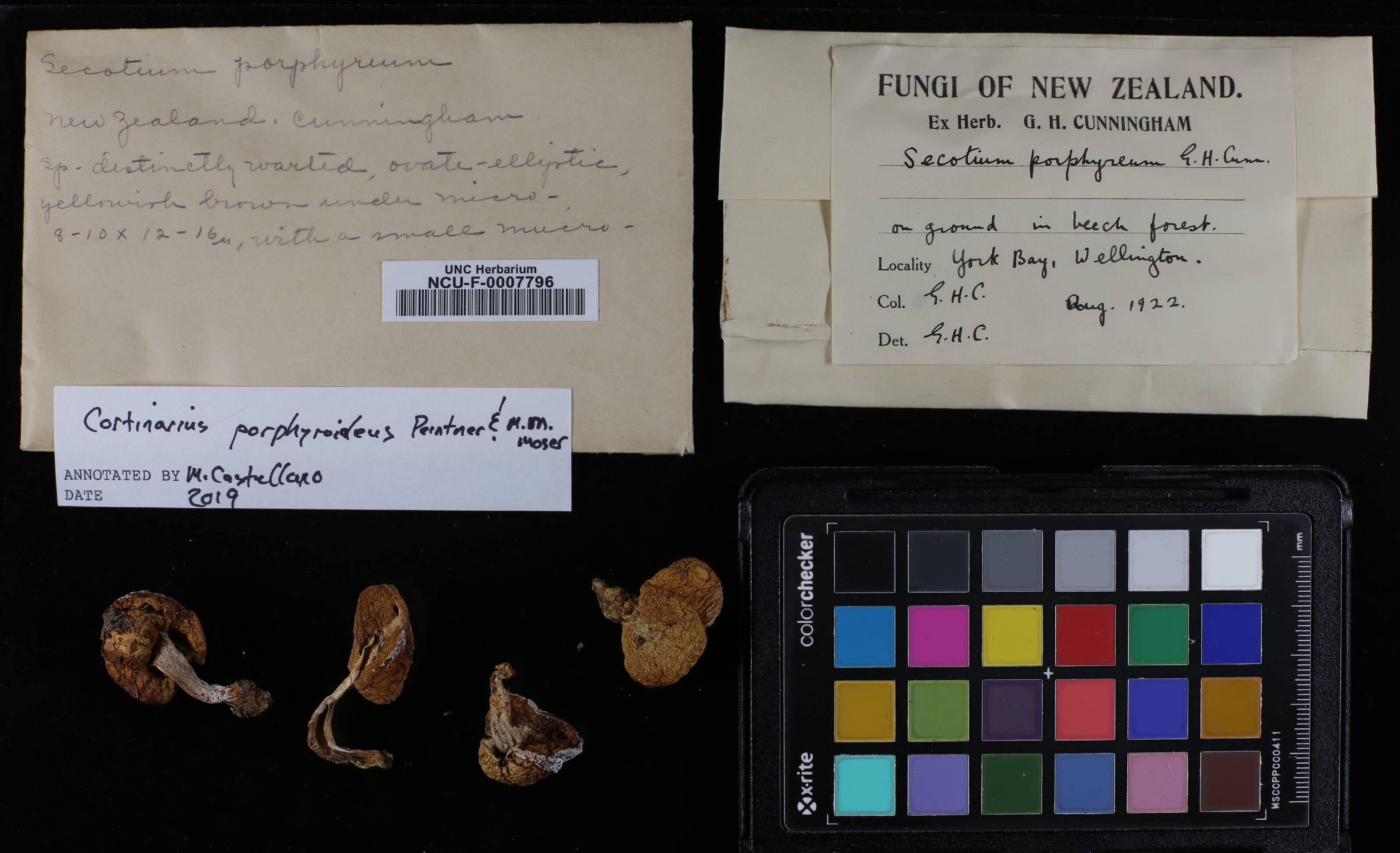
Cortinarius porphyroideus
species of fungus
Mackintoshia
Mackintoshia is a fungal genus in the family Boletaceae. It was originally placed in Cortinariaceae. The genus is monotypic, containing the single truffle-like species Mackintoshia persica, found in Zimbabwe. This fungus, eaten by both the common duiker (Sylvicapra grimmia) and the Karanga people, is little known outside the Midlands Province of Zimbabwe. Mackintoshia was circumscribed by Giovanni Pacioni and Cathy Sharp in 2000. The genus name honors British-Rhodesian farmer Robbie Mackintosh, who collected and documented some early specimens.
The specific epithet persica is Latin for peach,
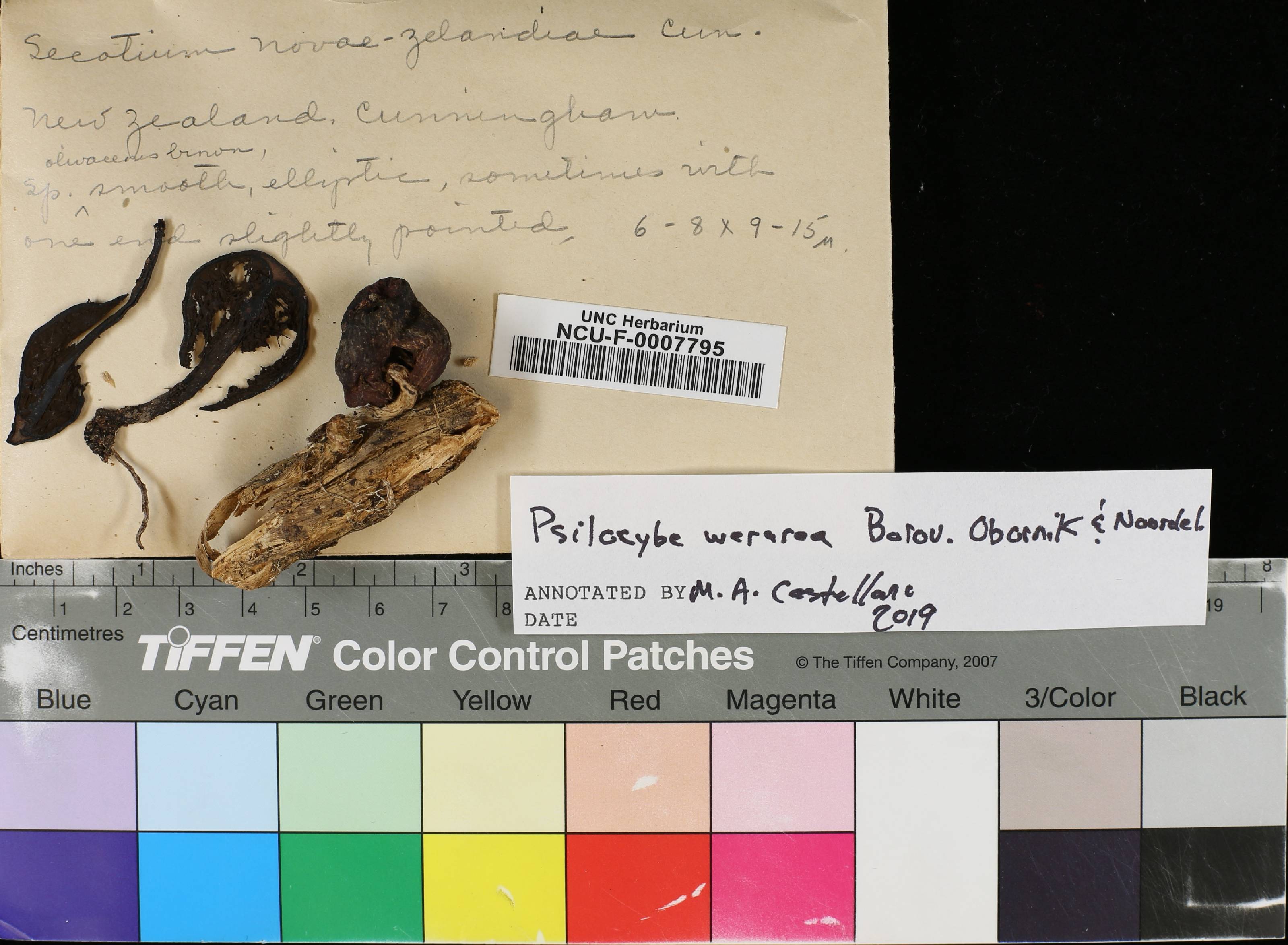
Psilocybe weraroa
species of fungus
Setchelliogaster
Setchelliogaster is a genus of fungi in the order Agaricales. It is incertae sedis with respect to familial placement within the order, although Kirk and colleagues (Dictionary of the Fungi, 10th edition, 2008) consider it likely aligned with either the Bolbitiaceae or the Cortinariaceae. Species Fungorum class it as in the Bolbitiaceae family. The genus is widespread in warm, dry areas, originally containing five species, later degraded to 3 species. It was circumscribed by Czech mycologist Zdeněk Pouzar in 1958.

Schizostoma
Schizostoma is a genus of fungus in the family Agaricaceae. It was first described in 1846 by Christian Gottfried Ehrenberg The type species is Schizostoma laceratum
Notholepiota areolata
species of fungus

Rhodactina himalayensis
species of fungus

Schizostoma laceratum
species of fungus
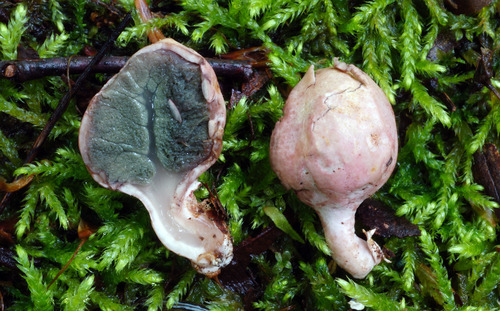
Phallogaster
Phallogaster is a fungal genus in the family Phallogastraceae. The genus is monotypic, containing the single secotioid species Phallogaster saccatus, commonly known as the club-shaped stinkhorn or the stink poke.
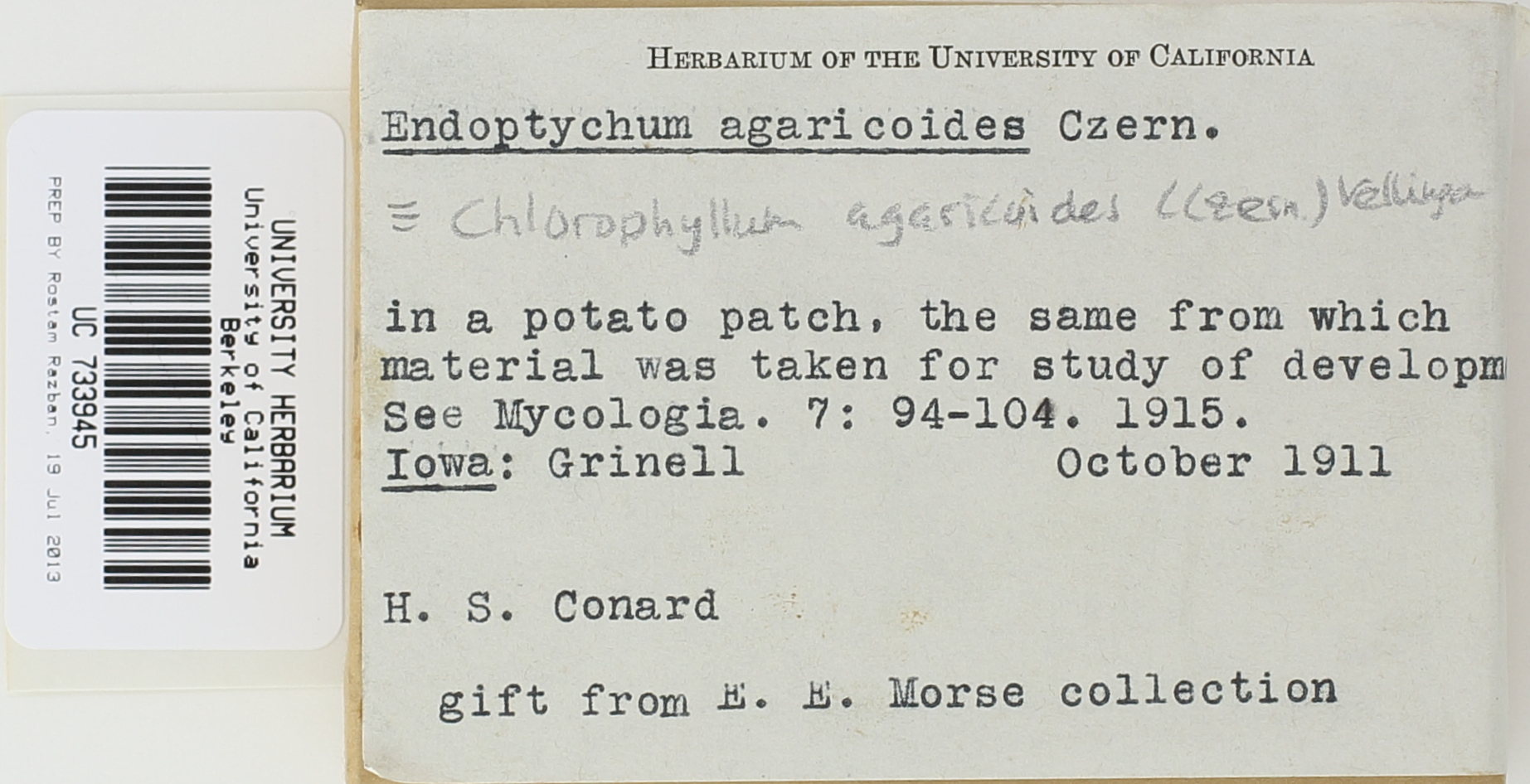
Chlorophyllum agaricoides
species of fungus
Agrogaster
Agrogaster is a fungal genus in the family Bolbitiaceae. This is a monotypic genus, containing the single secotioid species Agrogaster coneae, described from New Zealand in 1986 by mycologist Derek Reid. The generic name Agrogaster combines "Agro", referring to the genus Agrocybe (from which it is thought to be derived), and "gaster", alluding to its gasteroid nature.
Rhodactina
Rhodactina is a genus of secotioid fungi in the family Boletaceae. The genus was circumscribed in 1989 based on the type species Rhodactina himalayensis, found in India and northern Thailand. The genus was originally classified in the family Gauteriaceae because of similarities in spore ornamentation to the genera Gautieria and Austrogautieria. A second species, Rhodactina incarnata, was added to the genus in 2006. It is found in Dipterocarpaceae-dominated forests in Chiang Mai (northern Thailand). Molecular phylogenetics analysis shows that Rhodactina is aligned with the Boletaceae.