Category
page 1Security breaches
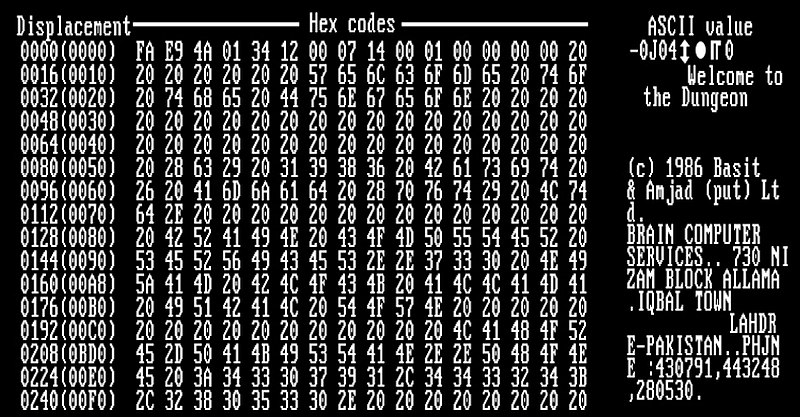
computer virus
type of computer program that, when executed, replicates itself by modifying other computer programs and inserting its own code

malware
Malware (a portmanteau of malicious software) is any software intentionally designed to cause disruption to a computer, server, client, or computer network, leak private information, gain unauthorized access to information or systems, deprive access to information, or which unknowingly interferes with the user's computer security and privacy. Researchers tend to classify malware into one or more sub-types (i.e. computer viruses, worms, Trojan horses, logic bombs, ransomware, spyware, adware, rogue software, wipers and keyloggers).

Trojan horse
type of malware that pretends to be a legitimate program

ransomware
Ransomware is a type of malware that encrypts the victim's personal data until a ransom is paid. Difficult-to-trace digital currencies such as paysafecard or Bitcoin and other cryptocurrencies are commonly used for the ransoms, making tracing and prosecuting the perpetrators difficult. Sometimes the original files can be retrieved without paying the ransom due to implementation mistakes, leaked cryptographic keys or a complete lack of encryption in the ransomware.

spyware
Spyware (a portmanteau for spying software) is any malware that aims to gather information about a person or organization and send it to another entity in a way that harms the user by violating their privacy, endangering their device's security, or other means. This behavior may be present in other malware and in legitimate software. Websites may engage in spyware behaviors like web tracking. Hardware devices may also be affected.

computer worm
standalone malware computer program that replicates itself in order to spread to other computers

botnet
thumb|Stacheldraht botnet diagram showing a DDoS attack (Note this is also an example of a type of client–server model of a botnet.)
A botnet is a group of Internet-connected devices, each of which runs one or more bots. Botnets can be used to perform distributed denial-of-service (DDoS) attacks, steal data, send spam, and allow the attacker to access the device and its connection. The owner can control the botnet using command and control (C&C) software. The word "botnet" is a portmanteau of the words "robot" and "network". The term is usually used with a negative or malicious connotation.
keylogger
program that records the keys struck on a keyboard
identity theft
deliberate use of someone else's identity, usually as a method to gain a financial advantage or obtain credit and other benefits in the other person's name, and perhaps to the other person's disadvantage or loss
security hacker
someone who explores methods for breaching defenses and exploiting weaknesses in a computer system or network
industrial espionage
form of espionage conducted for commercial purposes instead of purely national security
mole
type of spy
data breach
intentional or unintentional release of secure information to an untrusted environment
lock picking
practice of unlocking a lock without the original key
United States government group chat leaks
March 2025 United States national security controversy
rogue security software
form of malicious software and internet fraud that misleads users into believing there is a virus on their computer and aims to convince them to pay for a fake malware removal tool
Hamza Bendelladj
Algerian hacker
cryptojacking
Cryptojacking is the act of exploiting a computer to mine cryptocurrencies, often through websites, against the user's will or while the user is unaware. One notable piece of software used for cryptojacking was Coinhive, which was used in over two-thirds of cryptojacks before its March 2019 shutdown. The cryptocurrencies mined the most often are privacy coins—coins with hidden transaction histories—such as Monero and Zcash.

server-side request forgery
type of computer exploit where an attacker abuses the functionality of a server causing it to access or manipulate information in the realm of that server that would otherwise not be directly accessible to the attacker
infostealer
In computing, infostealers are a form of malicious software created to breach computer systems to steal sensitive information, such as login details, financial information, and other personally identifiable information. The stolen information is then packaged, sent to the attacker, and often traded on illicit markets to other cybercriminals.
Gate crashing
the act of going to a party without an invitation
evil maid attack
computer security attack on an unattended device, in which an attacker with physical access alters it in some undetectable way so that they can later access the device, or the data on it