Category
page 1Servers (computing)
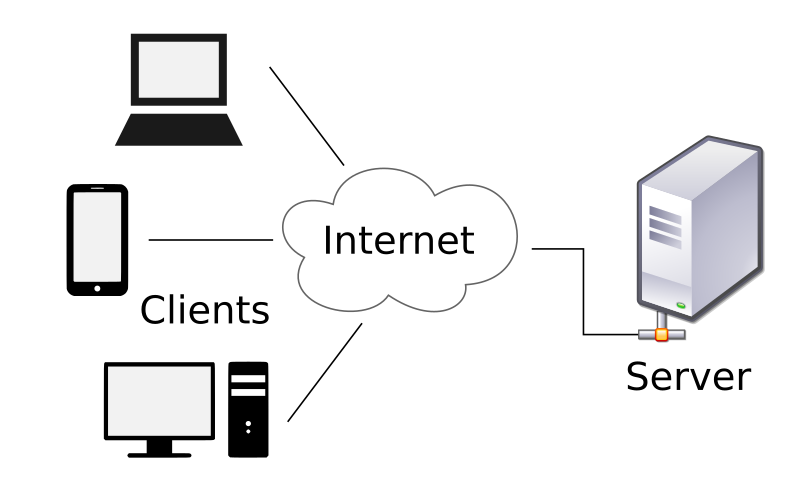
server
computer program or device that provides access to a central resource or other functionality for clients

web server
computer software that distributes web pages

download
In computer networks, download means to receive data from a remote system, typically a server such as a web server, an FTP server, an email server, or other similar systems. This contrasts with uploading, where data is sent to a remote system.
A download is a file offered for downloading or that has been downloaded, or the process of receiving such a file.

data center
building or room where computer servers and related equipment are operated
client-server model
distributed application structure in computing
Common Gateway Interface
Interface which offers a standard protocol for web servers to execute programs install
daemon
computer program that runs persistently as a background process to provide a service
upload
Uploading refers to transmitting data from one computer system to another through means of a network. Common methods of uploading include: uploading via web browsers, FTP clients, and terminals (SCP/SFTP). Uploading can be used in the context of (potentially many) clients that send files to a central server. While uploading can also be defined in the context of sending files between distributed clients, such as with a peer-to-peer (P2P) file-sharing protocol like BitTorrent, the term file sharing is more often used in this case. Moving files within a computer system, as opposed to over a netwo

hypervisor
A hypervisor, also known as a virtual machine monitor (VMM), is a type of computer software, firmware or hardware that creates and runs virtual machines. A computer on which a hypervisor runs one or more virtual machines is called a host machine or virtualization server, and each virtual machine is called a guest machine. The hypervisor presents the guest operating systems with a virtual operating platform and manages the execution of the guest operating systems. Unlike an emulator, the guest executes most instructions on the native hardware. Multiple instances of a variety of operating system
virtual private server
virtual machine sold as a service by an Internet hosting service
load balancing
set of techniques to improve the distribution of workloads across multiple computing resources
file server
computer that provides file systems in a computer network
print server
server that connects printers to client computers over a network
Koha
open source integrated library system (ILS)
Universal Plug and Play
set of networking protocols
server farm
collection of computer servers
application server
software framework that provides both facilities to create web applications and a server environment to run them

Linux Terminal Server Project
Terminal server for Linux
BitTorrent tracker
server which keeps records of seeds and peers of torrent files
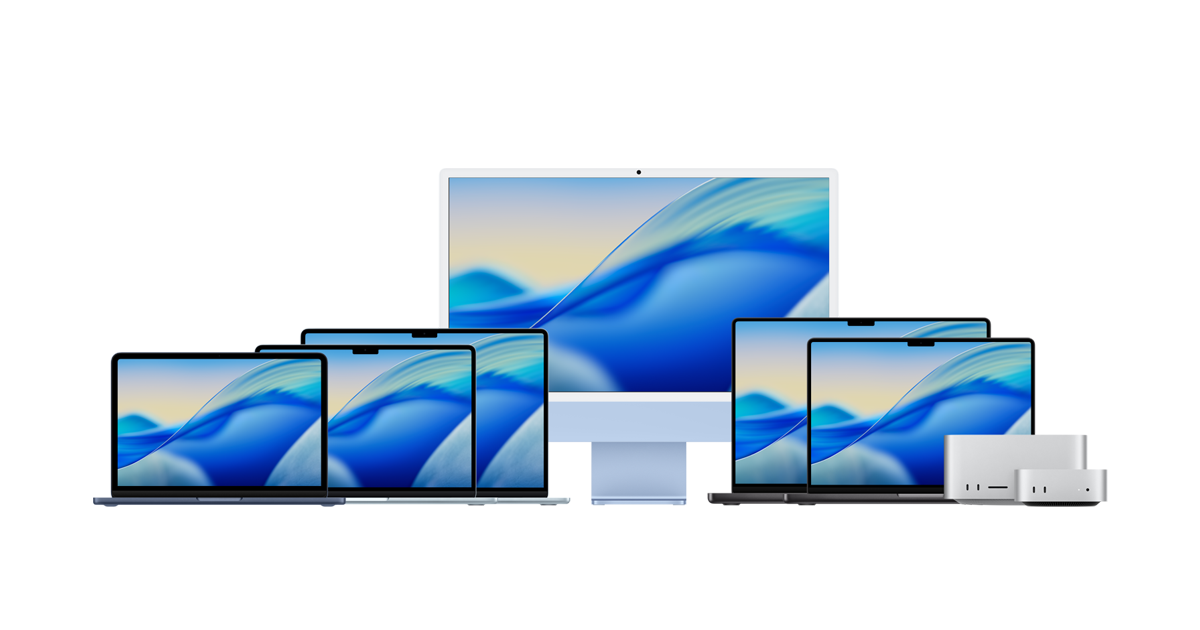
Time Capsule
wireless router by Apple Inc.
game server
server of game
database server
server which uses a database application that provides database services to other computer programs or to computers
colocation centre
data center rented out to multiples clients concurrently, utilizing common power and cooling
server room
room dedicated to the operation of computer servers
stateless protocol
communications protocol in which no information is retained by either sender or receiver
home server
computing server located in a private residence providing services to other devices inside or outside the household through a home network or the Internet

Open Compute Project
organization
sound server
Software that manages audio devices
time server
server that reads actual time information and distributes it
server log
file(s) in which a computer server logs activities performed
CardDAV
vCard Extensions to WebDAV (CardDAV) is an address book client/server protocol designed to allow users to access and share contact data on a server.
FTP server
computer software server that uses FTP file transfer protocol
super-server
thumb|upright=1.9|Principle of super-server
thumb|upright=1.9|Example of a server running Secure Shell|sshd (port 22), identd (port 113), ftpd (port 21) and httpd (port 80)
A super-server, sometimes called a service dispatcher, is a type of daemon run generally on Unix-like systems.
netcode
Netcode is a blanket term most commonly used by gamers relating to networking in online games, often referring to synchronization issues between clients and servers.
autoscaling
Autoscaling, (also written as auto scaling, auto-scaling, or known as automatic scaling), is a method used in cloud computing that dynamically adjusts the amount of computational resources in a server farm - typically measured by the number of active servers - automatically based on the load on the farm. For example, the number of servers running behind a web application may be increased or decreased automatically based on the number of active users on the site. Since such metrics may change dramatically throughout the course of the day, and servers are a limited resource that cost money to ru
server software
software providing a (network or IPC) service

SignalR
SignalR is a free and open-source software library for Microsoft ASP.NET that allows server code to send asynchronous notifications to client-side web applications. The library includes server-side and client-side JavaScript components.
domain controller
a server computer that responds to authentication requests and enforces security policies for a network domain
media server
device or software that makes digital media available over a network
fax server
server supporting fax functionality
bare-metal server
computer server which is used by one tenant only
UPower
UPower (previously DeviceKit-power) is a piece of middleware (an abstraction layer) for power management on Linux systems. It enumerates power sources, maintains statistics and history data on them and notifies about status changes. It consists of a daemon (upowerd), an application programming interface and a set of command line tools. The daemon provides its functionality to applications over the system bus (an instance of D-Bus, service org.freedesktop.UPower). PolicyKit restricts access to the UPower functionality for initiating hibernate mode or shutting down the operating system (freedesk