Category
page 1Sewing equipment

scissors
thumb|A pair of standard scissors
thumb|A video showing scissors being used to cut a piece of card stock
Scissors or shears are hand-operated cutting tools that consists of a pair of pivoting blades whose sharpened edges slide firmly against and past each other when the handles (shank) on the opposite side of the pivot are squeezed shut, causing the target material in between the blades to be divided by the combined effort of both cutting and shearing. Scissors are usually used for cutting thin materials such as paper, cardboard, metal foil, cloth, rope and wire, although a large variety of sc

sewing needle
elongated, thin tool made of hard material used for sewing
%2C%20Western%20Negev%2C%20Israel.jpg)
chalk
Chalk is a soft, white, porous, sedimentary carbonate rock. It is a form of limestone composed of the mineral calcite and originally formed under the sea by the accumulation and lithification of hard parts of organisms, mostly microscopic plankton, which had settled to the sea floor. Chalk is common throughout Western Europe, where deposits underlie parts of France, and steep cliffs are often seen where they meet the sea in places such as the Dover cliffs on the Kent coast of the English Channel.

beeswax
thumb|right|Bee hive wax complex
thumb|right|Beeswax cake
thumb|Commercial honeycomb foundation, made by pressing beeswax between patterned metal rollers

pin
A pin is a device, typically pointed, used for fastening objects or fabrics together. Pins can have the following sorts of body:
a shaft of a rigid inflexible material meant to be inserted in a slot, groove, or hole (as with pivots, hinges, and jigs)
a shaft connected to a head and ending in a sharp tip meant to pierce one or more pieces of soft materials like cloth or paper (the straight or push pin)
a single strip of a rigid but flexible material (e.g. a wire) whose length has been folded into parallel prongs in such fashion that the middle length of each curves towards the other so that, w

thimble
thumb|A thimble
thumb| (Thimblemaker) from by Jost Amman, 1568
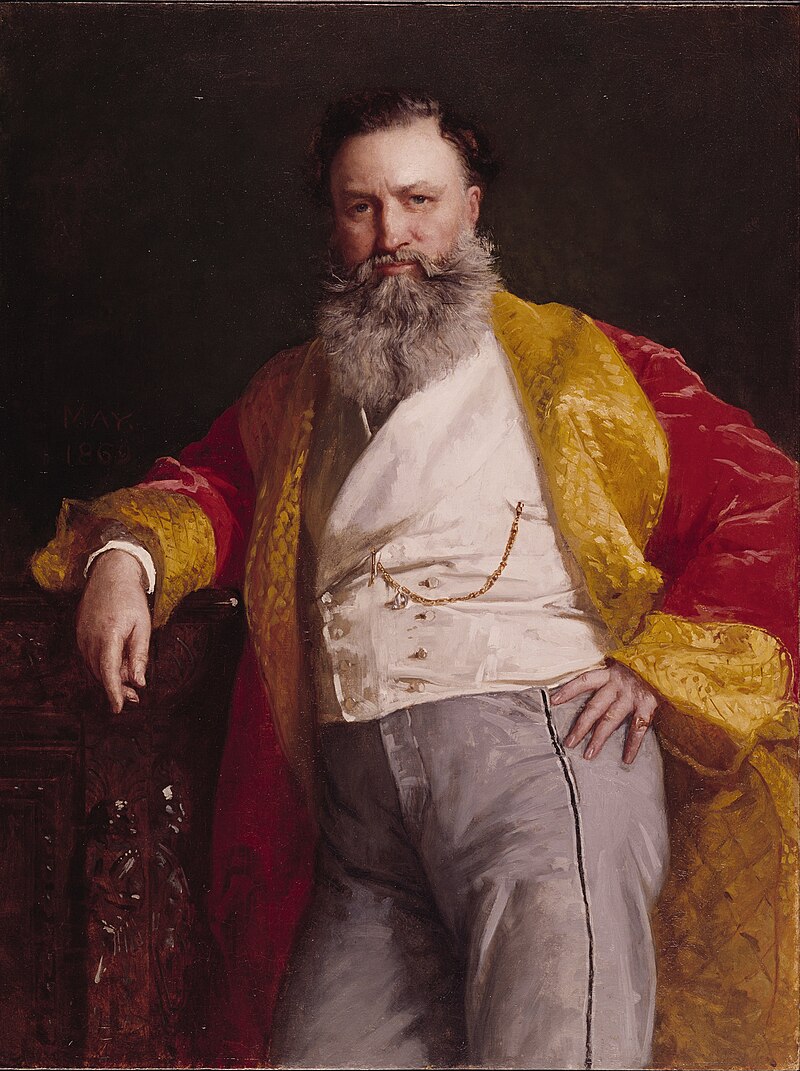
Isaac Singer
American businessman; inventor of the Singer sewing machine (1811-1875)

awl
tool for making or enlarging holes in fabric or leather

tape measure
flexible ruler used to measure size or distance

pincushion
thumb|A wrist-held pincushion
A pincushion (or pin cushion) is a small, stuffed cushion, typically across, which is used in sewing to store pins or needles with their heads protruding to take hold of them easily, collect them, and keep them organized.
tracing paper
paper made to have low opacity, allowing light to pass through
knitting machine
device used to create knitted fabrics

bobbin
thumb|Vintage wooden bobbins, cylindrical, empty of wound fiber, dimensions 16 in. high by 9 in. in diameter.
200px|thumb|Vintage wooden bobbin, unflanged, wound with yarn and attached to a "shuttle" that fits it for use in a floor loom.
A bobbin or spool is a spindle or cylinder, with or without flanges, on which yarn, thread, wire, tape or film is wound. Bobbins are typically found in industrial textile machinery, as well as in sewing machines, fishing reels, tape measures, film rolls, cassette tapes, within electronic and electrical equipment, and for various other applications.
needle threader
Device to put thread through a needle
seam ripper
sewing tool
dress form
model of the torso used for fitting clothing
Charles Fredrick Wiesenthal
German inventor
Prym
Prym is an internationally active group of companies. It consists of four independent divisions that operate under the umbrella of a holding company: Prym Consumer, Prym Fashion, Prym Intimates and Inovan.
The roots of the company go back to the 16th century. It is one of the oldest operating companies in the World. In 1642, the company moved from Aachen, Germany, to Stolberg (Rhineland), Germany. The headquarters have been located there ever since.
Hari-Kuyō
Hari-Kuyō () is the Japanese Buddhist and Shinto Festival of broken sewing needles, celebrated on February 8 in the Kantō region, but on December 8 in the Kyoto Prefecture and Kansai region. It is celebrated by women in Japan as a memorial to all the sewing needles broken in their service during the past year, and as an opportunity to pray for improved skills. It is also called the Needle Mass and Pin Festival. "Hari" means "needle" and the suffix "-kuyo" means "memorial", derived from a Sanskrit word pūjā or pūjanā, meaning "to bring offerings".
Pinking shears
Zig Zag scissor for finishing fabric edges
needlecase
right|thumb|19th-century needlecase of bone, lead, wood, glass pearls, amber, leather, bronze, and iron. Nivkh people|Nivkh or Evenki people, [[Amur River basin, Russia.]]
A needlecase or needle case is a small, often decorative, holder for sewing needles. Early needlecases were usually small tubular containers of bone, wood, or bronze with tight-fitting stoppers, often designed to hang from a belt. Needlecases are often components of an étui and are typically one of the tools attached to a chatelaine.A pin poppet is a similar container for pins, common in the 18th century. Bodkin cases, made
tracing wheel
tool