Category
page 1Shingon Buddhist monks

Kūkai
, born posthumously called , was a Japanese Buddhist monk, calligrapher, and poet who founded the esoteric Shingon school of Buddhism. He travelled to China, where he studied Tangmi (Chinese Vajrayana Buddhism) under the monk Huiguo. Upon returning to Japan, he founded Shingon—the Japanese branch of Vajrayana Buddhism. With the blessing of several Emperors, Kūkai was able to preach Shingon teachings and found Shingon temples. Like other influential monks, Kūkai oversaw public works and constructions. Mount Kōya was chosen by him as a holy site, and he spent his later years there until his deat

Uda
Japanese emperor

Suzaku
Emperor of Japan

Saigyō
was a Japanese poet of the late Heian and early Kamakura period.

Kisen
right|thumb|200px|Kisen Hōshi, from the Hyakunin Isshu.

Keichū
thumb|upright=1.5|Keichū
was a Buddhist priest and a scholar of Kokugaku in the mid Edo period. Keichū's grandfather was a personal retainer of Katō Kiyomasa but his father was a rōnin from the Amagasaki fief. When he was 13, Keichū left home to become an acolyte of the Shingon sect, studying at Kaijō in Myōhōji, Imasato, Osaka. He subsequently attained the post of Ajari (or Azari) at Mount Kōya, and then became chief priest at Mandara-in in Ikutama, Osaka. It was at this time that he became friends with the poet-scholar Shimonokōbe Chōryū (下河辺長流, 1624–1686).
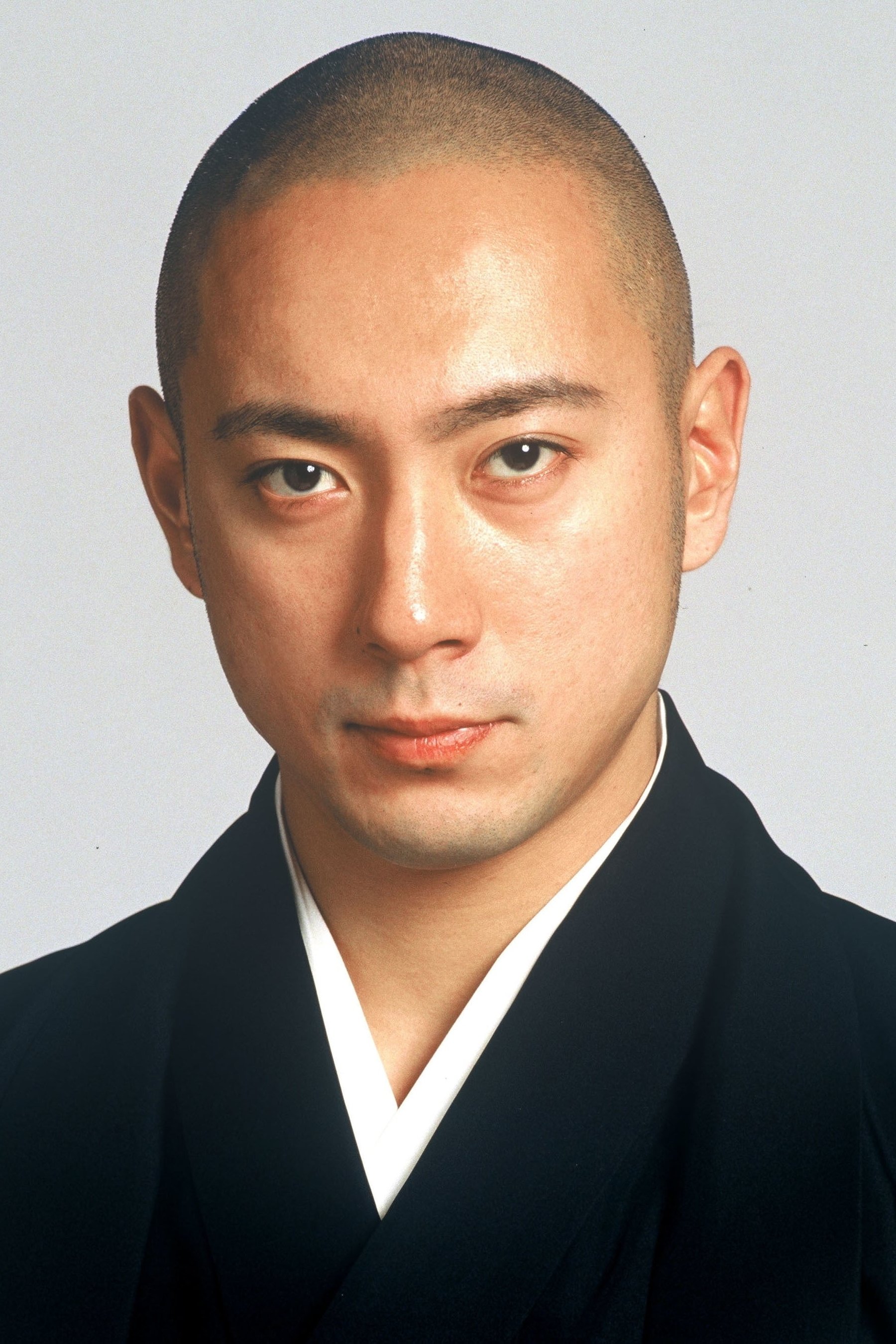
Ichikawa Danjūrō XIII
Japanese actor
Shunkan
thumb|Shunkan depicted on an 1887 vertical diptych. was a Japanese monk who, after taking part in the Shishigatani plot to overthrow Taira no Kiyomori, was exiled along with two others to Kikai-ga-shima. His story is featured in the Heike monogatari, and in a number of traditional derivative works, including the Noh play Shunkan and jōruri play Heike Nyogo-ga-shima. Twentieth century authors Kan Kikuchi and Ryūnosuke Akutagawa also produced works entitled Shunkan.
Maeda Gen'i
daimyo
Mujū
Mujū Dōkyō (; 1 January 1227 – 9 November 1312), birth name Ichien Dōkyō, was a Buddhist monk of the Japanese Kamakura period. He is superficially considered a Rinzai monk by some due to his compilation of the Shasekishū and similar books of koans, but there is good evidence that he was also an eager student of the Tendai, Pure Land, and Hosso sects, and he is occasionally placed in the Shingon and Ritsu sects as well.
Kakuban
thumb|Kakuban sculpture (Mitsugon-dō), Oku-no-in, Kōya-san
thumb|Mausoleum of Kakuban in Negoro-ji
Kakuban (覚鑁/覺鑁; 1095–1143), known posthumously as Kōgyō-Daishi (興教大師) was a priest of the Shingon sect of Buddhism in Japan and credited as a reformer, though his efforts also led to a schism between and . Kakuban is also famous for his introduction of the "esoteric nembutsu".
Mongaku
thumb|Portrait of Mongaku (Tokyo National Museum)
Mongaku (文覚) was a Japanese samurai and Shingon Buddhist priest of the late Heian and early Kamakura period. He was a close associate of shogun Minamoto no Yoritomo, having contributed to the declaration of the Genpei War. Myōe was the disciple of his disciple Jōkaku. His secular name, before ordination, was Endō Moritō. He is also known as Mongaku Shōnin.
Takaoka-shinnō
son of Japanese emperor Heizei
Dōjo-nyūdōshinnō
Japanese princely priest in the Heian period; son of Go-Toba

Koji Kashin
Japanese folkloric/legendary character
Surai Sasai
Japanese Buddhist monk
Jiun
Shinjō Itō
Japanese Buddhist teacher (1906–1989)
Kujō Naozane
kugyō