Category
page 1Shiva in art
.jpeg)
Trimurti
thumb|Shiva (left), [[Vishnu (middle), and Brahma (right)]]
thumb|Trimurti relief at the [[Hoysaleswara temple in Halebidu]]

linga
thumb|right|A lingam with tripundra, projected on a [[yoni base]]
.JPG)
Nataraja
Nataraja (, ; , Naṭarājar), also known as Adalvallan (), is a depiction of Shiva, one of the main deities in Hinduism, as the divine cosmic dancer. His dance is called the tandava. The pose and artwork are described in many Hindu texts such as the Tevaram and Thiruvasagam in Tamil and the Amshumadagama and Uttarakamika agama in Sanskrit and the Grantha texts. The dance murti is featured in all major Hindu temples of Shaivism, and is a well-known sculptural symbol in India and popularly used as a symbol of Indian culture, as one of the finest illustrations of Hindu art. This form is also referr
Adiyogi Shiva statue
Bust of Shiva in Tamil Nadu, India
Kailashnath Mahadev Statue
Shiva statue in Nepal
Pashupati seal
steatite seal that was discovered at the Mohenjo-daro archaeological site

Statue of Belief
statue in Rajasthan, India & sculptured by 'Murtikar Naresh Kumawat'
Unakoti
Unakoti or Subrai Khung is a sculptural emblem and ancient Shaivite place that hosts rock carvings, figures and images of gods and goddesses. The bas relief sculptures at Unakoti are on stylistic grounds ascribed to 7th–9th century CE, to the period of Pre-Manikya rule. The rock art was patronised by Deva Dynasty of Sribhumi in Samatata. The only inscription at Unakoti is on the other Chaturmukhalinga image, consisting of a couple of records in Bengali Characters of the 11th to 12th century CE, which mentions one Sri Jayadeva, probably a pilgrim.
Kirātārjunīya
Kirātārjunīya (, Of Kirata and Arjuna) is an epic poem by Bhāravi, written in Sanskrit. Believed to have been composed in the 6th century or earlier, it consists of eighteen cantos describing the combat between Shiva (in the guise of a kirata, or "mountain-dwelling hunter"), and Arjuna. Along with the Naiṣadhacarita and the Shishupala Vadha, it is one of the larger three of the six Sanskrit mahakavyas, or great epics. It is noted among Sanskrit critics both for its gravity or depth of meaning, and for its forceful and sometimes playful expression. This includes a canto set aside for demonstrat
Head of Bhairava
mask belonging to Nepal’s Malla period from the 16th century C.E.

Mangal Mahadev
Shiva statue in Mauritius
Kalyanasundara
thumb|280x280px|Depiction of Kalyanasundara, Ellora caves.
Mukhalinga
thumb|A Gupta era one-faced mukhalinga, [[Bhumara]]
thumb|A four-faced mukhalinga, 10th century, Asian Art Museum of San Francisco|Asian Art Museum
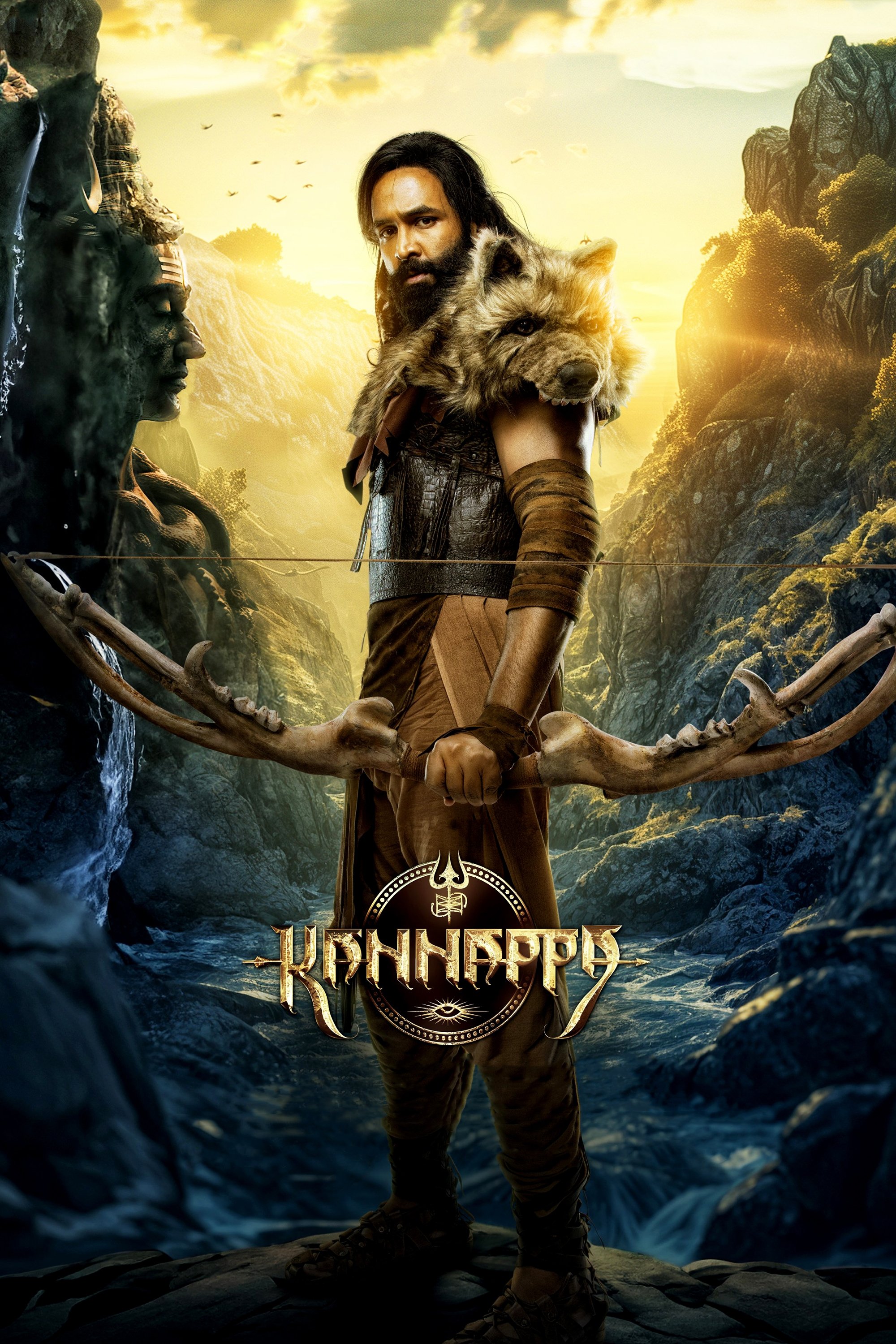
Kannappa
film directed by Mukesh Kumar Singh
The RVM Foundation Shiv Temple
temple in India
Head of Shiva
sandstone statue of the head of Shiva created during the 10th century AD in Vietnam