Category
page 1Sigmodontinae
Sigmodontinae
Sigmodontinae is a subfamily of rodents that includes New World rats and mice, with at least 376 species. Many authorities include the Neotominae and Tylomyinae as part of a larger definition of Sigmodontinae. When those genera are included, the species count numbers at least 508. Their distribution includes much of the New World, but the genera are predominantly South American, such as brucies. They invaded South America from Central America as part of the Great American Interchange near the end of the Miocene, about 5 million years ago. Sigmodontines proceeded to diversify explosively in the
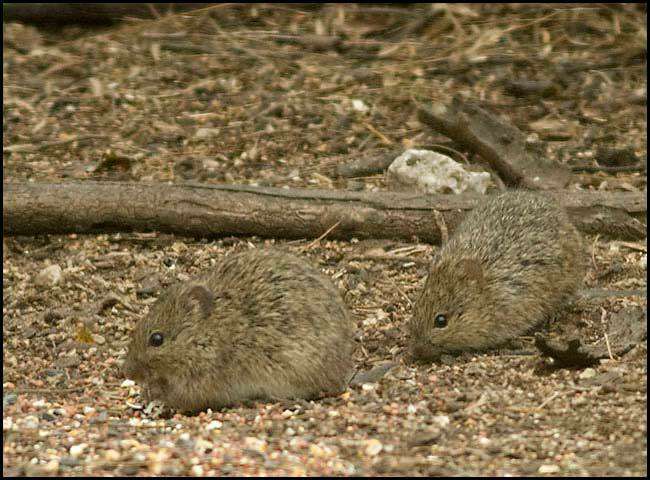
Sigmodon
genus of mammals
Oryzomyini
Oryzomyini is a tribe of rodents in the subfamily Sigmodontinae of the family Cricetidae. It includes about 120 species in about thirty genera, distributed from the eastern United States to the southernmost parts of South America, including many offshore islands. It is part of the clade Oryzomyalia, which includes most of the South American Sigmodontinae.
Akodontini
Akodontini is the second most speciose rodent tribe of the subfamily Sigmodontinae. It includes at least 106 living species in 19 genera and is distributed mainly in the southern half of South America, with only two genera extending into Guyana (Podoxymys) and Venezuela (Necromys). It also includes genera previously placed in tribe Scapteromyini. The following genera are now generally recognized:
Megaoryzomys
Megaoryzomys curioi, also known as the Galápagos giant rat, is an extinct species of sigmodontine rodent, known only from Santa Cruz Island in the Galápagos Islands. It likely met its demise when European settlers introduced invasive species to the island. It is the only species in the genus Megaoryzomys. Its relationships have historically been unclear; it has been placed in both Oryzomyini and Thomasomyini in the past. A 2021 study favoured placing it in the former on overall skull morphology.