Category
page 1Smog

carbon monoxide
chemical compound

smog
alt=A hazy cityscape to the right and a clear one to the left|thumb|Smog and a sunny day within a 10-day interval in Fanhe Town, Tieling|Fanhe, China
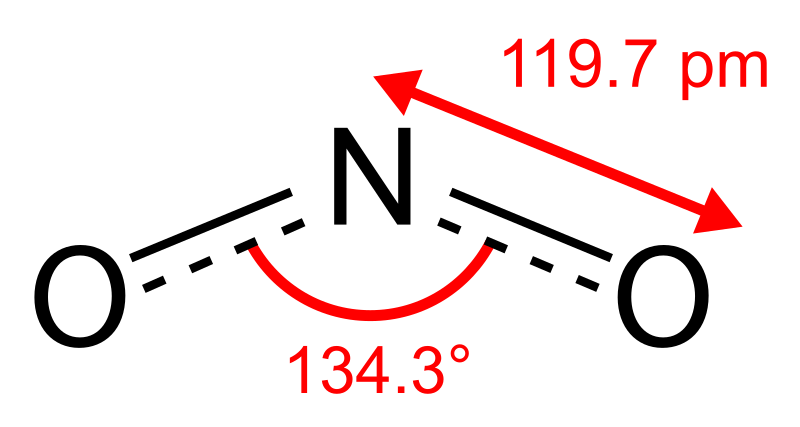
nitrogen dioxide
chemical compound
volatile organic compound
organic chemical with appreciable vapor pressure at room temperature
exhaust gas
emitted as a result of the combustion of fuels such as natural gas, gasoline, petrol, biodiesel blends, diesel fuel, fuel oil, or coal
Ground-level ozone
constituent gas of the troposphere
peroxyacetyl nitrate
chemical compound

Vog
thumb|Dense vog as seen from Hilo Bay, Hawaii
Vog is a form of air pollution that results when sulfur dioxide and other gases and particles emitted by an erupting volcano react with oxygen and moisture in the presence of sunlight. The word is a portmanteau of the words volcanic and smog, the latter itself a portmanteau of smoke and fog. The term is in common use in the Hawaiian Islands, where the Kīlauea volcano, on the Island of Hawaii (the "Big Island"), erupted continuously between 1983 and 2018. Based on June 2008 measurements, Kīlauea emits 2,000–4,000 tons of sulfur dioxide (SO2) every d
NOx
In atmospheric chemistry, '''''' is shorthand for nitric oxide () and nitrogen dioxide (), the nitrogen oxides that are most relevant for air pollution.
Arctic haze
Air pollution in the Arctic caused by sources further South
Southeast Asian haze
Regular large scale fire-related air pollution problems that occurs in Southeast Asia
Peroxyacyl nitrates
secondary pollutant
Fog Investigation and Dispersal Operation
system used for dispersing fog and smog from an airfield so that warplanes could land safely