Category
page 1Sonnet studies

sonnet
A sonnet is a fixed poetic form with a structure traditionally consisting of fourteen lines adhering to a set rhyming scheme. The term derives from the Italian word sonetto (, from the Latin word sonus, ). Originating in 13th-century Sicily, the sonnet was in time taken up in many European-language areas, mainly to express romantic love at first, although eventually any subject was considered acceptable. Many formal variations were also introduced, including abandonment of the quatorzain limit – and even of rhyme altogether in modern times.
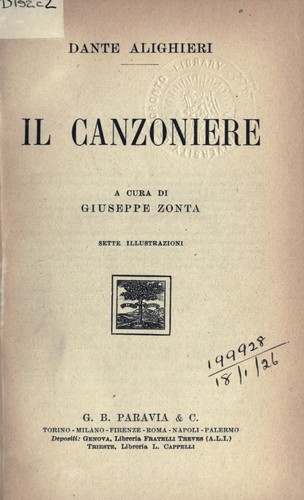
Il Canzoniere
poetry anthology by Petrarch

Vita Nuova
autobiographical work by Dante Alighieri
Giacomo da Lentini
Italian poet
Sicilian School
community of Sicilian poets
crown of sonnets
sequence of linked sonnets
iambic pentameter
line consisting of five iambic feet

hendecasyllable
In poetry, a hendecasyllable (as an adjective, hendecasyllabic) is a line of eleven syllables. The term may refer to several different poetic meters, the older of which are quantitative and used chiefly in classical (Ancient Greek and Latin) poetry, and the newer of which are syllabic or accentual-syllabic and used in medieval and modern poetry.

Astrophel and Stella
sonnet sequence by Philip Sidney
octave
poetic verse form consisting of eight lines
Petrarchan sonnet
fourteen-line poem with a pattern of rhyming schemes

Amoretti
thumb|The title page from the first edition of Amoretti and Epithalamion, printed by William Ponsonby in 1595.