Category
page 1Sonnets

sonnet
A sonnet is a fixed poetic form with a structure traditionally consisting of fourteen lines adhering to a set rhyming scheme. The term derives from the Italian word sonetto (, from the Latin word sonus, ). Originating in 13th-century Sicily, the sonnet was in time taken up in many European-language areas, mainly to express romantic love at first, although eventually any subject was considered acceptable. Many formal variations were also introduced, including abandonment of the quatorzain limit – and even of rhyme altogether in modern times.

Shakespeare's sonnets
collection of 154 sonnets by William Shakespeare, which covers themes such as the passage of time, love, beauty and mortality

Ozymandias
"Ozymandias" ( ) is a sonnet written by the English Romantic poet Percy Bysshe Shelley, first published in the 11 January 1818 issue of The Examiner of London.

Sonnets to Orpheus
poem collection by Rainer Maria Rilke
The New Colossus
Emma Lazarus poem
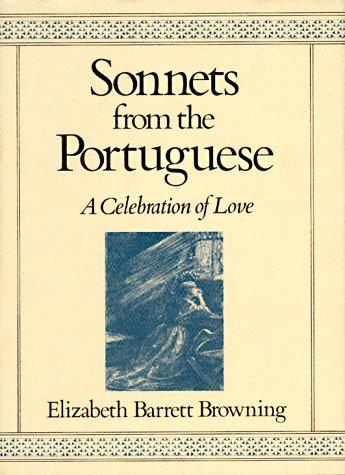
Sonnets from the Portuguese
collection of sonnets by E. B. Browning
Voyelles
thumb|A reading in French of Voyelles
"Voyelles" or "Vowels" is a sonnet in alexandrines by Arthur Rimbaud, written in 1871 but first published in 1883. Its theme is the different characters of the vowels, which it associates with those of colours. It has become one of the most studied poems in the French language, provoking very diverse interpretations.
Sonnets from the Crimea
series of Polish sonnets by Adam Mickiewicz
Wreath of Sonnets
sonnet cycle by France Prešeren
Holy Sonnets
collection of poems
When I Consider How My Light is Spent
poem by John Milton (1608–1674)
A Sea-Spell
painting by Dante Gabriel Rossetti

Cien Sonetos de Amor
book by Pablo Neruda
On First Looking into Chapman's Homer
sonnet written by the English Romantic poet John Keats in October 1816
Archaic Torso of Apollo
German poem, in: Poems of Rainer Maria Rilke (1918)
Seven Sonnets of Michelangelo
1940 song cycle by Benjamin Britten