Category
page 1Source code

source code
collection of computer instructions written using some human-readable computer language
subroutine
sequence of instructions that can be called from other points in a computer program
pseudocode
In computer science, pseudocode is a description of the steps in an algorithm using a mix of conventions of programming languages (like assignment operator, conditional operator, loop) with informal, usually self-explanatory, notation of actions and conditions. Although pseudocode shares features with regular programming languages, it is intended for human reading rather than machine control. Pseudocode typically omits details that are essential for machine implementation of the algorithm, meaning that pseudocode can only be verified by hand. The programming language is augmented with natural
Wikifunctions
thumb|A short introduction to Wikifunctions by Denny Vrandečić
macro
preprocessing rule in computer languages that specifies how an input text usually identified by a definable keyword or sequence is mapped to a frequently larger output text
camel case
term for the notation where uppercase letters are used within words for specific purposes, such as making word boundaries visible after concatenating multiple words into a single string, with the first word's initial letter in lowercase
program comment
explanatory note in the source code of a computer program, skipped during its compilation or interpretation and without effect on execution
porting
In software development, porting is the process of adapting software to run in a different context. Often it involves modifying source code so that a program can run on a different platform (i.e. on a different CPU or operating system) or in a different environment (i.e. with a different library or framework). It also describes adapting a change or feature from one codebase to another even between different versions of the same software.
syntax
set of rules defining the structure of a programming language
syntactic sugar
syntax within a programming language that is designed to make things easier to read or to express
software quality
degree of suitability of software for the intended purpose, including functional quality and structural quality
software obfuscation
creating difficult-to-understand computer code
quine
self-replicating program
Hungarian notation
identifier naming notation (computer science)
code review
a software quality assurance activity in which one or several people check a program mainly by viewing and reading parts of its source code
indentation
empty space at the beginning of a line to signal the start of a new paragraph
snake case
The general term for the notation where multiple words are concatenated with underscores ("_") for specific purposes, such as making word boundaries more visible after combining multiple words into a single string, with all letters in lowercase
indentation style
computer programming convention
programming style
set of rules or guidelines used when writing the source code for a computer program
naming convention
set of rules for naming functions, variables, types, etc. in programming
mock object
type of software test double whose behavior is specified by the test
duplicate code
piece of source code that occurs more than once in the same environment
fast inverse square root
root-finding algorithm
whitespace
separator for character strings (e.g. between words or expressions)
coding convention
standards and guidelines for writing code
label
character sequence identifying a location in a program's source code
code folding
tool of editors for programming, scripting and markup
Hexspeak
Hexspeak is a novelty form of variant English spelling using the hexadecimal digits. Created by programmers as memorable magic numbers, hexspeak words can serve as a clear and unique identifier with which to mark memory or data.
snippet
programming term for a small region of re-usable source code, machine code, or text
unreachable code
section of code in a program that can never be executed
dead code
section in the source code of a program which is executed but whose result is never used in any other computation. The execution of dead code wastes computation time and memory
codebase
A codebase (or code base) is a collection of source code that is maintained as a unit. Typically, it is used to build one or more software components including applications and libraries.

Duff's device
unusual C programming idiom that manually implements loop unrolling using interleaved control structures
boilerplate code
sections of code that have to be included in many places with little or no alteration
reusability
In computer programming, reusability describes the quality of a software asset that affects its ability to be used in a software system for which it was not specifically designed. An asset that is easy to reuse and provides utility is considered to have high reusability. A related concept, leverage involves modifying an existing asset to meet system requirements.
minification
process of removing all unnecessary characters from source code without changing its functionality
polyglot
computer program or script written in a valid form of multiple programming languages
redundant code
unnecesary source code or compiled code in a computer program which cannot affect its results
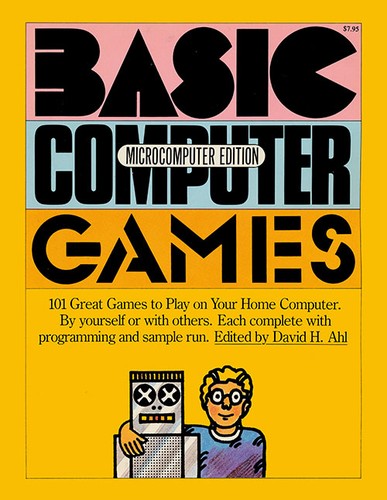
BASIC Computer Games
essay by David H. Ahl
C syntax
set of rules governing writing of software in the language
GNU coding standards
Rules for consistent program functionality
pretty-printing
Pretty-printing (or prettyprinting) is the application of any of various stylistic formatting conventions to text files, such as source code, markup, and similar kinds of content. These formatting conventions may entail adhering to an indentation style, using different color and typeface to highlight syntactic elements of source code, or adjusting size, to make the content easier for people to read, and understand. Pretty-printers for source code are sometimes called code formatters or beautifiers.
software intelligence
obtaining and transforming internal behaviors and structural states in software to better understand and control complex environments
nested function
function defined inside another function
include directive
programming language directive that textually substitutes one file into another
sigil
computer programming
listing
printed list of lines of computer code
line number
identifier of a sequence of characters in a text file