Category
page 1Soviet Union–United States relations

Cold War
1947–1991 tension between the Soviet Union and the United States and their respective allies

Bobby Fischer
American chess player (1943–2008)

space race
competition to explore space between USA and USSR

Radio Free Europe/Radio Liberty
United States-funded international media outlet

Truman Doctrine
United States Cold War policy to contain communism in Europe and elsewhere

Samantha Smith
American peace activist and child actress (1972–1985)

Lend-Lease
thumb|upright=1.3|Franklin D. Roosevelt|President Roosevelt signs the Lend-Lease bill to give aid to Britain and China (March 1941).
thumb|United States House of Representatives|House of Representatives bill # 1776, p.1
Lend-Lease, formally the Lend-Lease Act and introduced as An Act to Promote the Defense of the United States (), was a policy under which the United States supplied the United Kingdom, the Soviet Union, France, the Republic of China, and other Allied nations of the Second World War with food, oil, and between 1941 and 1945. The aid was given free of charge on the basis that suc

GAZ
thumb|right|Horizontal flags featuring the GAZelle logo near a GAZelle car shop in Astana
GAZ (Gorkovsky avtomobilny zavod, ) is a Russian automotive manufacturer located in Nizhny Novgorod, formerly known as Gorky (Горький) (1932–1990). It is the core subsidiary of GAZ Group Holding, which is itself part of Basic Element industrial group. JSC Russian Machines is the controlling shareholder in OAO GAZ.

Ich bin ein Berliner
speech given by John F. Kennedy in West Berlin in June 1963

Outer Space Treaty
treaty that forms the basis of international space law

détente
thumb|Leonid Brezhnev (left), [[Viktor Sukhodrev (center), and Richard Nixon (right) during Brezhnev's 1973 visit to Washington, D.C., a high-water mark in détente between the United States and the Soviet Union]]

Communist Party of the United States of America
American political party

Korean Air Lines Flight 007 crash
1983 shoot-down of a civilian airliner over the then–Soviet Union
Strategic Defense Initiative
defunct American missile defense system (1984-1993)

Apollo–Soyuz
Apollo–Soyuz was the first crewed international space mission, conducted jointly by the United States and the Soviet Union in July 1975. Millions watched on television as an American Apollo spacecraft docked with a Soviet Soyuz capsule. The mission and its symbolic "handshake in space" became an emblem of détente during the Cold War.

1960 U-2 incident spy aircraft
aviation incident

Treaty on the Final Settlement with Respect to Germany
1990 treaty making Germany fully independent
Partial Nuclear Test Ban Treaty
1963 limited test ban treaty
1946 Iran crisis
conflict in northwestern Iran
Tupolev Tu-4
strategic bomber aircraft

containment
thumb|right|200px|United States Information Agency|United States Information Service propaganda poster distributed in Asia depicting [[Juan dela Cruz ready to defend the Philippines from the threat of communism]]
Goodwill Games
international sports competition
Eisenhower Doctrine
policy of Eisenhower and the United States
Red Scare
any of several events where widespread fear of communism or leftism develops
Berlin Crisis of 1961
1961 Cold War incident in divided Berlin
Reagan Doctrine
American strategy until the end of the Cold War
Allied Control Council
military occupation governing body of the Allied Occupation Zones in Germany
Tear down this wall!
speech delivered by President Ronald Reagan of the USA in West Berlin in June 1987
World Chess Championship 1972
1972 chess match in Reykjavík, Iceland for the World Chess Championship between challenger Bobby Fischer (USA) and defending champion Boris Spassky (USSR)
Kitchen Debate
exchanges of views between Nikita Khrushchev and Richard Nixon at an exhibition in Moscow in July 1959
Evil Empire speech
1983 speech by Ronald Reagan
Sputnik crisis
United States response to the launch of Sputnik
new world order
any new period of history evidencing a dramatic change in world political thought and the balance of power
Moscow–Washington hotline
system that allows direct communication between the leaders of the United States and Russia
Treaty on Conventional Armed Forces in Europe
treaty
Able Archer 83
NATO command post exercise in 1983
Four Policemen
proposed international order policed by the Americans, British, Soviets, and Chinese
GIUK gap
the passages between the northern Atlantic Ocean and the Norwegian Sea (Greenland - Iceland - United Kingdom)
Soviet Union–United States relations
international diplomacy
1980 Summer Olympics boycott
NATO's soft opposition to the Soviet Union intervention in Afghanistan

Miracle on Ice
The "Miracle on Ice" was an ice hockey game during the 1980 Winter Olympics in Lake Placid, New York. It was played between the hosting United States and the Soviet Union on February 22, 1980, during the medal round of the men's ice hockey tournament. Although the Soviet Union was a four-time defending gold medalist and heavily favored, the United States achieved an upset victory, winning 4–3. The Soviet Union had won the gold medal in five of the six previous Winter Olympic Games, and were the heavy favorite to win another gold in Lake Placid. Olympic rules at the time prohibited professional athletes from competing, but the Soviet government circumvented this by employing professional athletes in symbolic university or military positions, allowing them to focus full-time on sport. As a result, the Soviet team consisted of veteran players with significant experience in international play. By contrast, the United States team, led by head coach Herb Brooks, was composed mostly of amateur players; only four players had any experience beyond that level, and even then all four had only minimal, minor-league experience. In addition, the United States had the youngest team in the tournament and in U.S. national team history. In the group stage, both the Soviet and American teams were undefeated; the U.S. achieved several surprising results, including a 2–2 draw against Sweden, and a 7–3 upset victory over second-place favorite Czechoslovakia.
Turkish Straits crisis
Cold War territorial conflict between USSR & Turkey
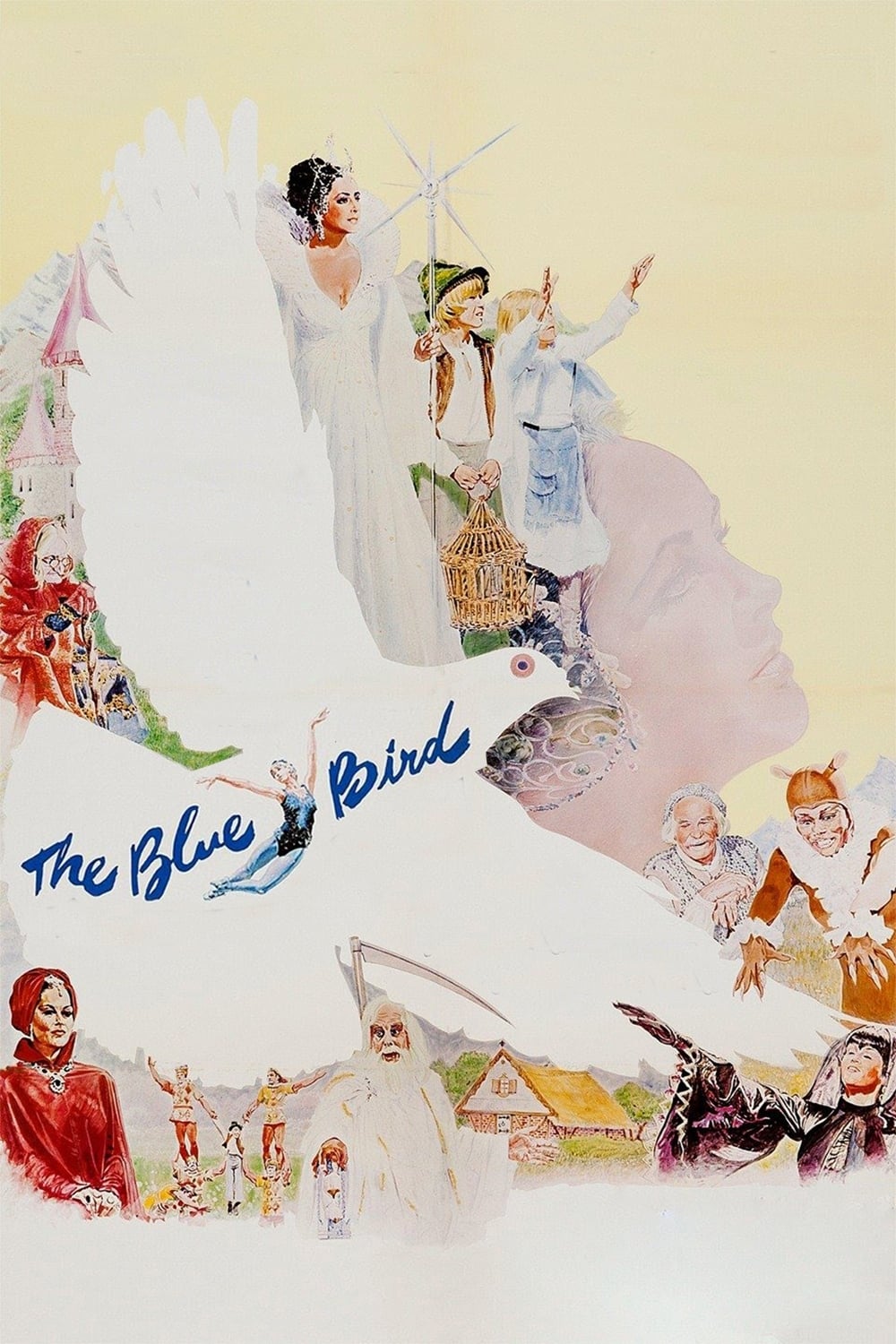
The Blue Bird
1976 film by George Cukor
Elbe Day Torgau
day Soviet and American troops met for the first time in Nazi Germany
nuclear arms race
competition between multiple parties to have superior nuclear weaponry
We will bury you
quote by Soviet First Secretary Nikita Khrushchev
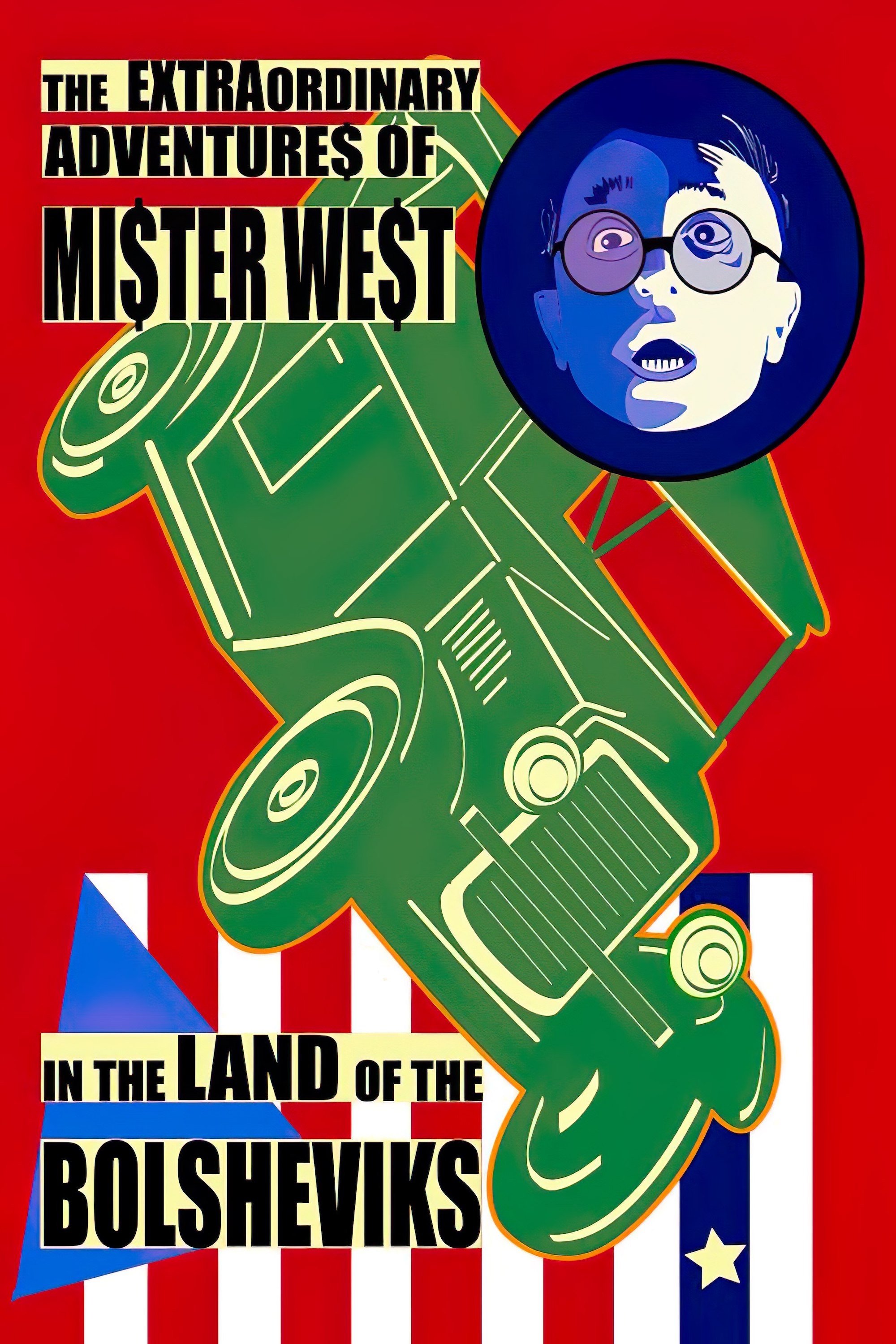
The Extraordinary Adventures of Mr. West in the Land of the Bolsheviks
1924 film by Lev Kuleshov
International Cospas-Sarsat Programme
international satellite-aided search and rescue initiative
Soviet Union at the 1960 Winter Olympics
country entered in olympic winter games
CoCom
Cold War-era coordinated embargo of East Bloc states by the West Bloc
United Nations Security Council Resolution 135
United Nations Security Council resolution
Tupolev Tu-70
prototype airliner
Project Mogul
Top secret US Air Force project
1984 Summer Olympics boycott
sport boycott

refusenik
thumb|January 10, 1973. Soviet Jewish refusenik demonstration in front of the Ministry of Internal Affairs for the right to emigrate to Israel, before being broken up by Soviet authorities.
thumb|A rare type 2 USSR exit visa. This type of visa was issued to those who received permission to leave the USSR permanently and lost their Soviet citizenship. Many people who wanted to emigrate were unable to receive this kind of exit visa.
thumb|Letter from the Soviet Ministry of Internal Affairs|MVD to a 76-year-old man from Sverdlovsk refusing him permission to move to Israel due to "knowledge of sta
Operation INFEKTION
KGB disinformation campaign
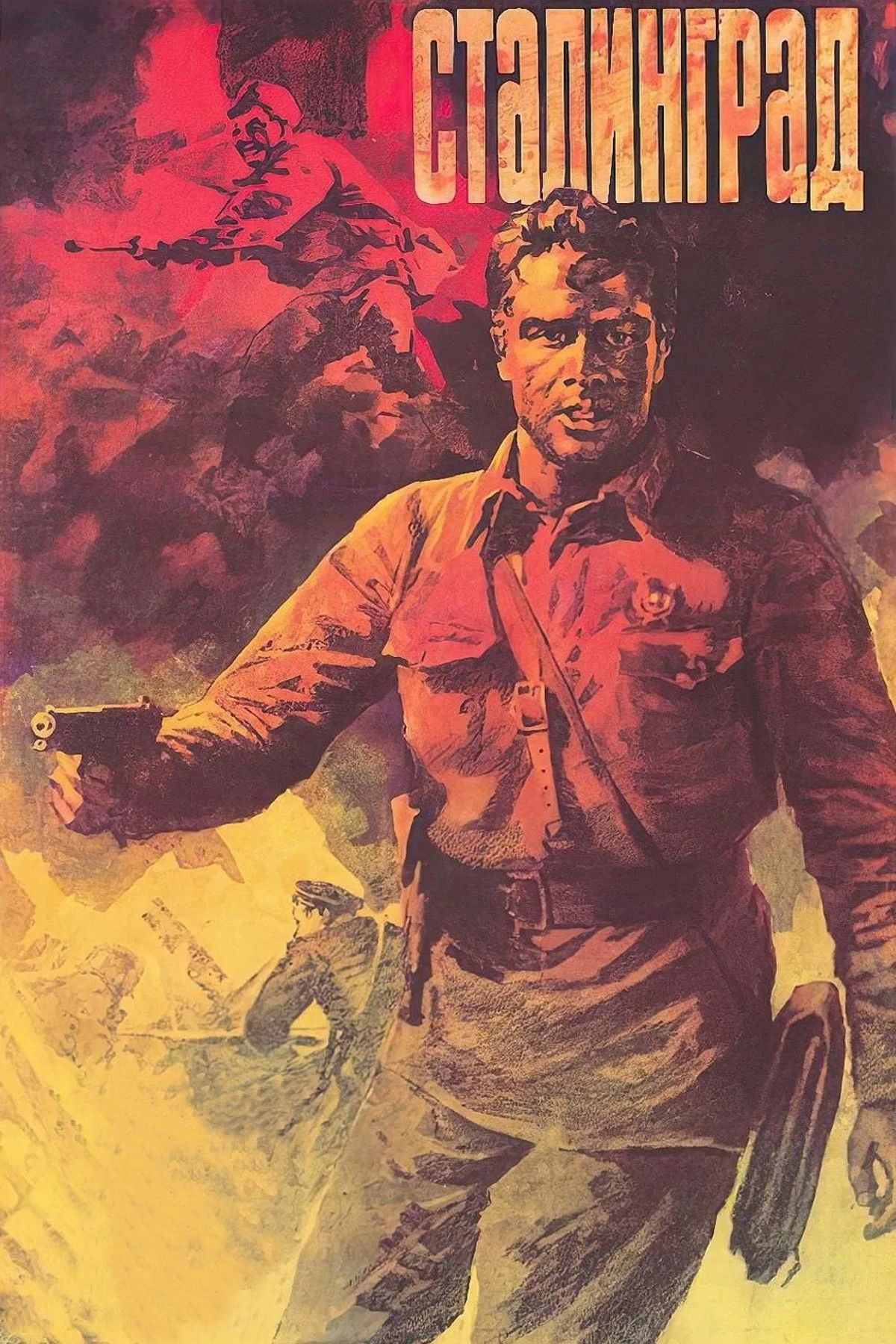
Stalingrad
1990 film by Yuri Ozerov
Stalin Note
1952 communication by Joseph Stalin

Embassy of Russia, Washington, D.C.
embassy
Soviet submarine K-129
1959 Golf-class submarine