Category
page 1Space science

Solar System
the Sun, its planets and their moons

planetary science
science of planets and other astronomical objects apparently in orbit around one or more stellar objects

Roche limit
astronomical concept
planetary geology
geology of astronomical objects

Spacelab
thumb|upright=1.0|right|Spacelab art, with lab interior cutaway, 1981
thumb|upright=1.0|right|Wubbo Ockels in the lab, 1985
thumb|upright=1.0|right|Mercuric iodide crystals grown on Spacelab 3
space sciences
sciences of outer space
space food
food used by astronauts

heliophysics
thumb|upright=1.5|This image presents various wavelengths of light produced by the Sun.
solar physics
branch of astrophysics
space weathering
type of weathering
palimpsest
type of crater whose relief has disappeared
Mögel–Dellinger effect
Enhanced ionization of the ionosphere
reduced gravity aircraft
fixed-wing aircraft that provides brief near-weightless environments
Ring current
atmospheric effect in a planet's magnetosphere
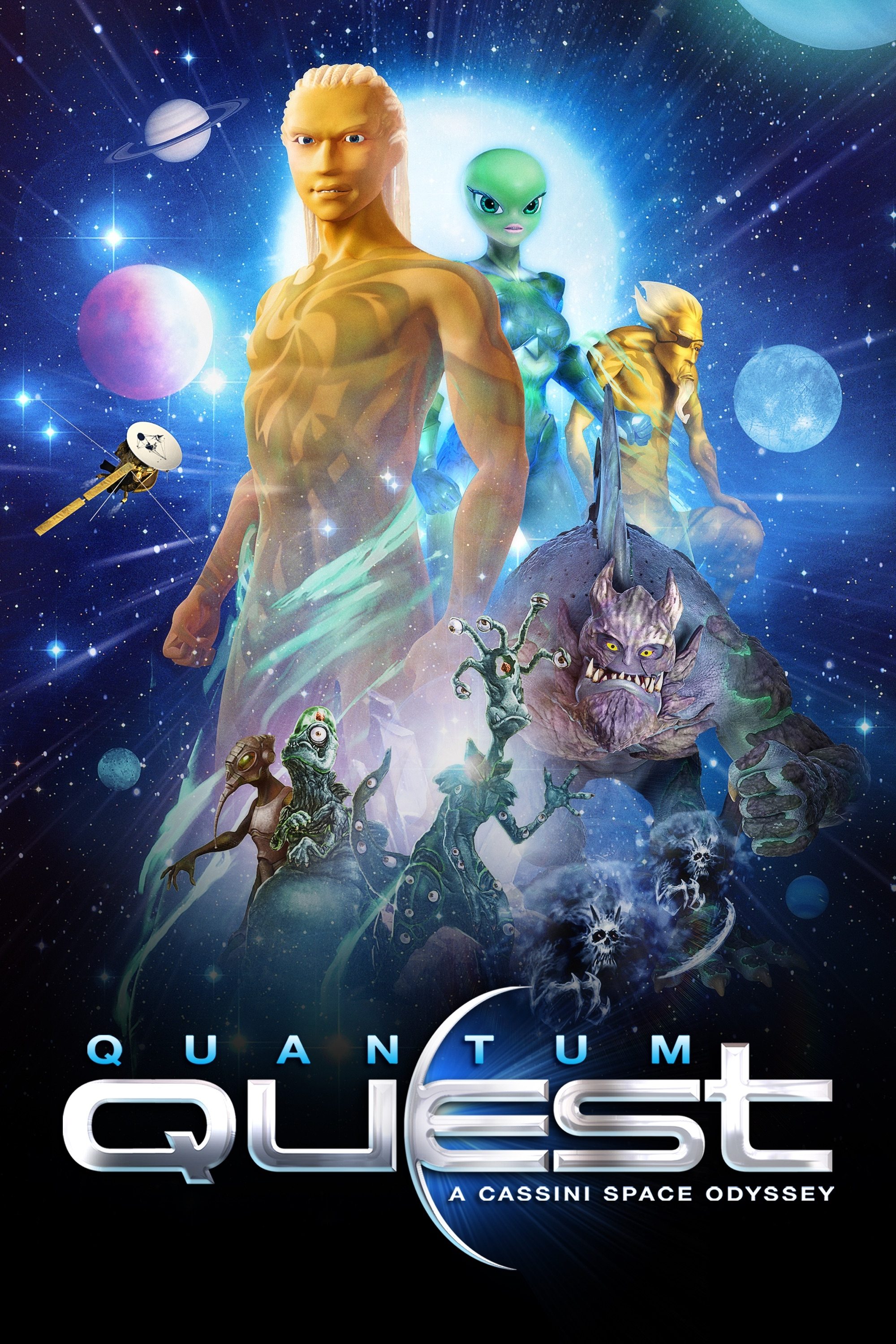
Quantum Quest: A Cassini Space Odyssey
2010 film by Harry Kloor, Daniel St. Pierre
Gyrochronology
Gyrochronology is a method for estimating the age of a low-mass (cool) main sequence star (spectral class F8 V or later) from its rotation period. The term is derived from the Greek words gyros, chronos and logos, roughly translated as rotation, age, and study respectively. It was coined in 2003 by Sydney Barnes to describe the associated procedure for deriving stellar ages, and developed extensively in empirical form in 2007.
planetary oceanography
study of oceans outside planet Earth
Space climate
Branch of solar physics and aeronomy
quantum clock
atomic clock with laser cooled single ions confined together in an electromagnetic ion trap
extraterrestrial materials
natural objects that originated in outer space
International Heliophysical Year
Atomic Clock Ensemble in Space
experiment on the International Space Station