Category
page 1Sponge subclasses
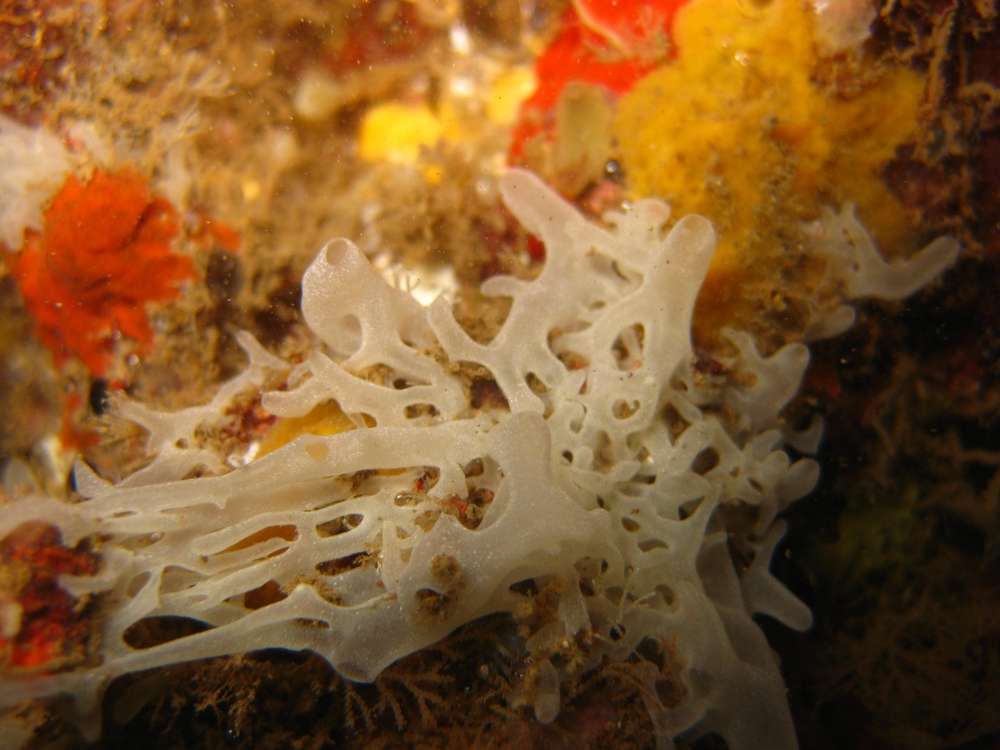
Calcinea
The Calcinea are a subclass of the calcareous sponges. Its phylum is Porifera and class is Calcarea. Branching is usually dichotomous or umbellate with anastomoses, which gives rise to reticulate growths on stalks in adults. Most varieties are coral red or sulphur yellow.

Hexasterophora
left|thumb|Atlantisella (order Lyssacinosida, C), [[Lefroyella (order Sceptrulophora, D), and a hexaster microsclere (A, left) in a collage of hexactinellids.]]
Hexasterophora are a subclass of glass sponges in the class Hexactinellida. Most living hexasterophorans can be divided into three orders: Lyssacinosida, Lychniscosida, and Sceptrulophora. Like other glass sponges, hexasterophorans have skeletons composed of overlapping six-rayed spicules. In addition, they can be characterized by the presence of hexasters, a type of microsclere (microscopic spicules) with six rays unfurling into multi
Amphidiscophora
REDIRECT Amphidiscosida
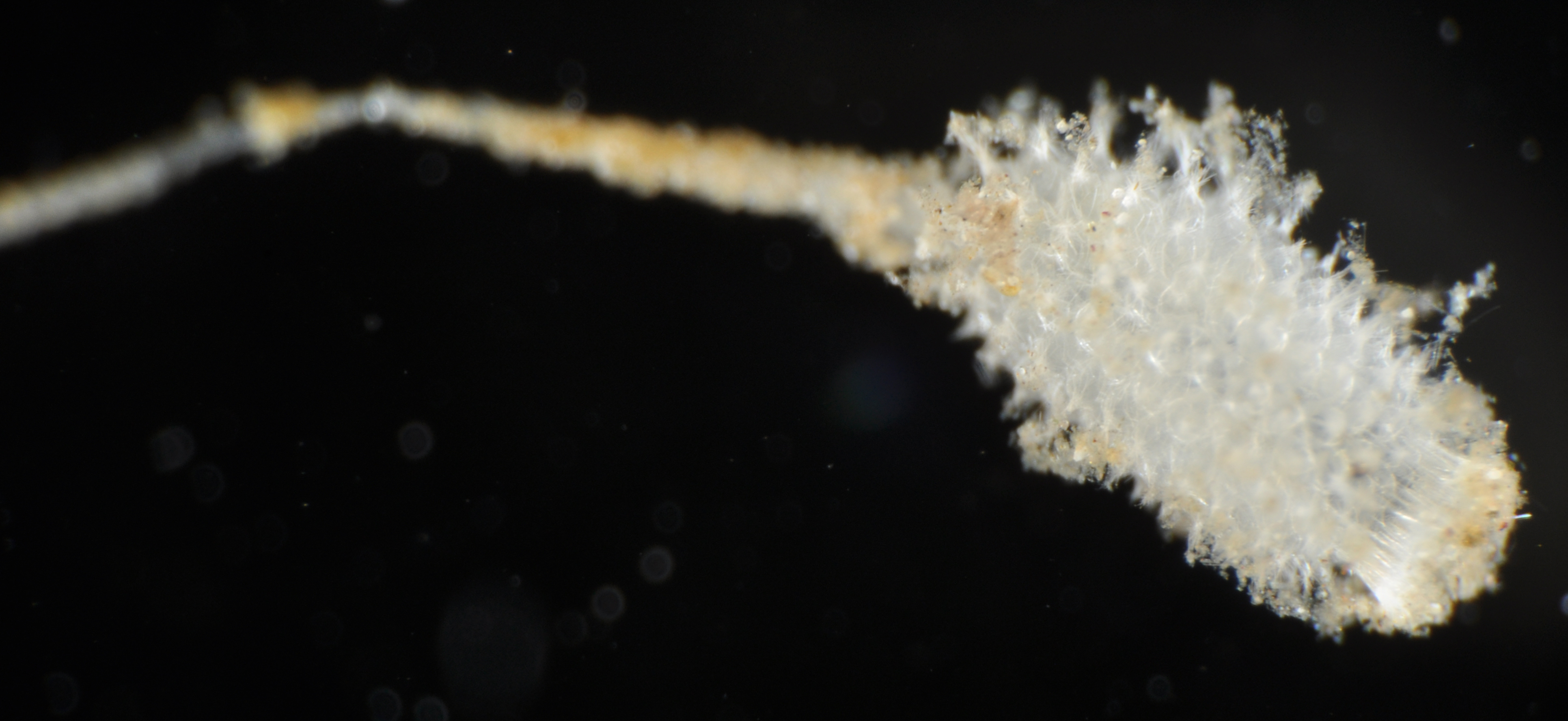
Calcaronea
Calcaronea is a subclass of sea sponges in the class Calcarea. They are Calcarea with the triactines and the basal system of tetractines sagittal (i.e. the rays of the spicule make unequal angles with each other), exceptionally regular. In ontogeny the first spicules to be secreted are diactines. Choanocytes are apinucleate. Calcaronea have amphiblastula larvae
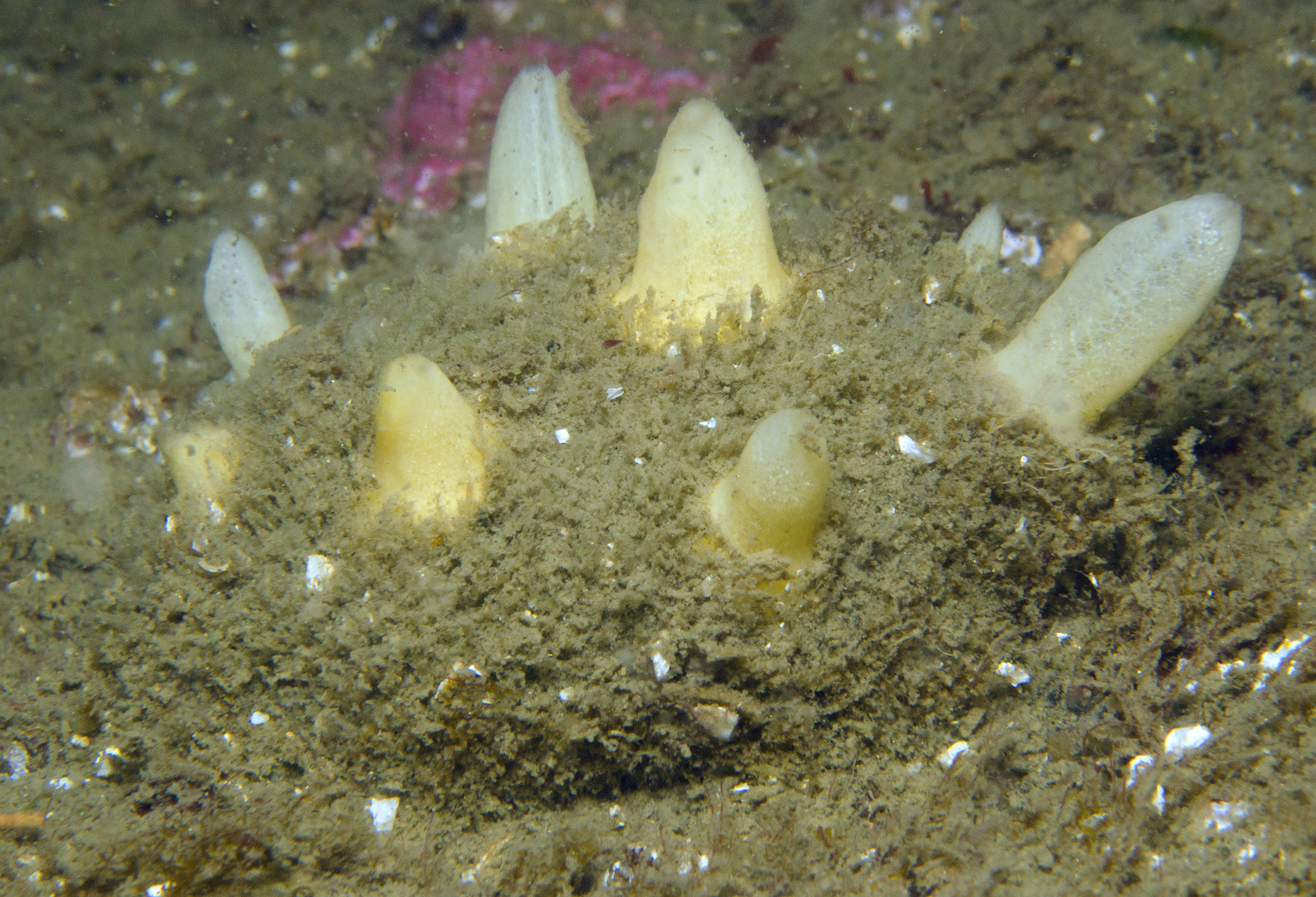
Heteroscleromorpha
Heteroscleromorpha is a subclass of demosponges within the phylum Porifera.
Keratosa
Keratosa, the keratose sponges or horny sponges, is a subclass of demosponges.
Verongimorpha
Verongimorpha is the name of a subclass of sea sponges within the phylum Porifera. It was first authenticated and described by Erpenbeck et al. in 2012.