Category
page 1Stage terminology
.jpg)
theatre
Theatre or theater is a collaborative form of performing art that uses live performers, usually actors, to present experiences of a real or imagined event before a live audience in a specific place, often a stage. The performers may communicate this experience to the audience through combinations of gesture, speech, song, music, and dance. It is the oldest form of drama, though live theatre has now been joined by modern recorded forms. Elements of art, such as painted scenery and stagecraft such as lighting are used to enhance the physicality, presence and immediacy of the experience. Places,
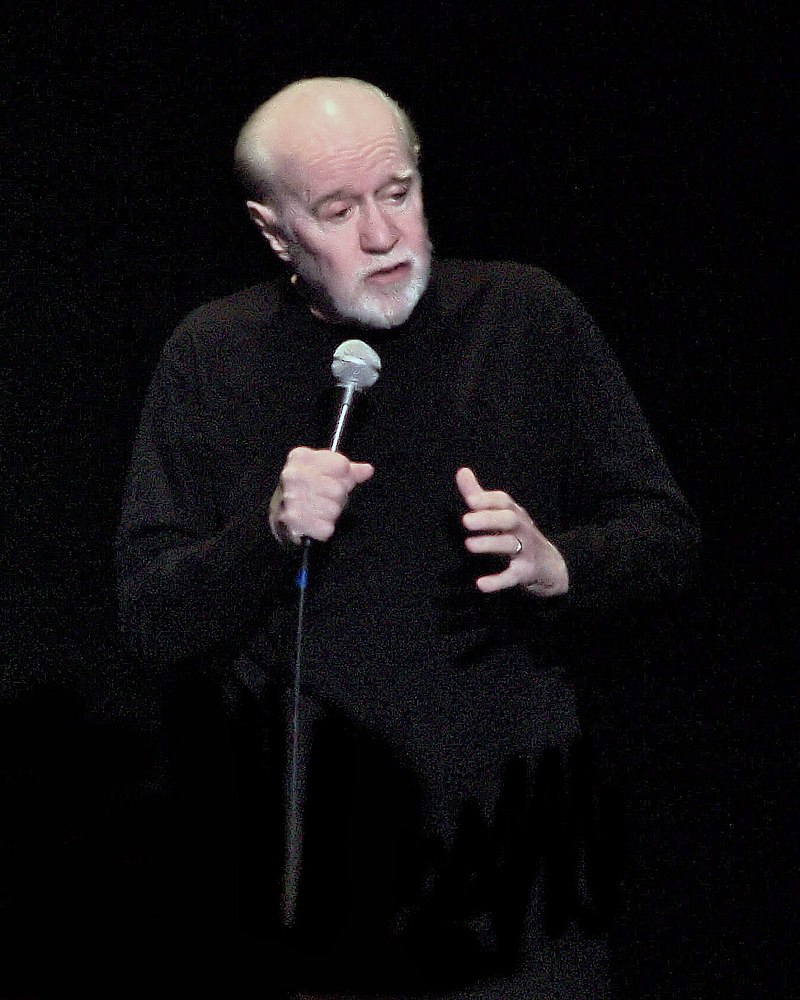
stand-up comedy
comedy style where the performer addresses the audience directly

stage
designated space for the performance of productions of the performing arts
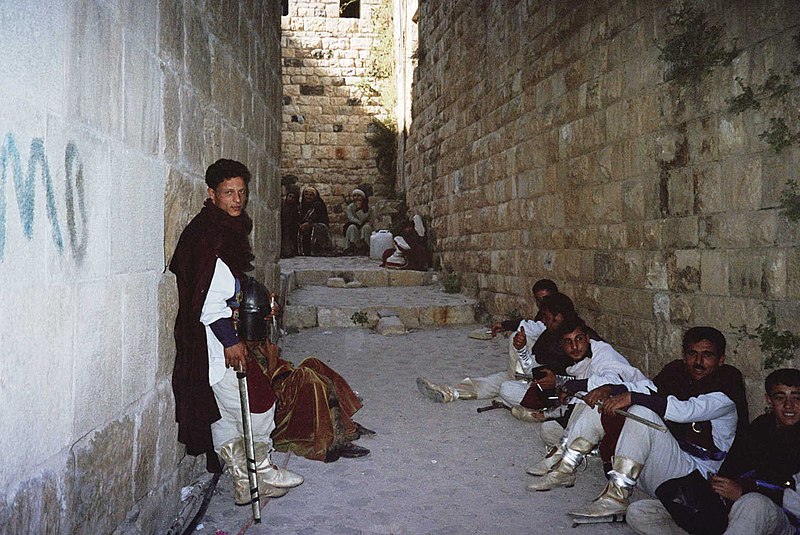
extra
actor with a very minor part, typically non-speaking and in the background
prompter
person in theatre or opera who prompts or cues actors or singers when they forget their lines or movements

fourth wall
imaginary vertical plane at the front of a theatrical stage separating performers from the audience
box office
place where tickets are sold to the public for admission to an event

proscenium
thumb|The proscenium arch of the theatre in the Auditorium Building (Chicago)|Auditorium Building in Chicago. The proscenium arch is the frame decorated with square tiles that forms the vertical rectangle separating the stage (mostly behind the lowered curtain) from the auditorium (the area with seats).|alt=Interior view of a theater.
ensemble cast
in a dramatic production, cast in which the leading roles are typically assigned roughly equal amounts of screen time
scenery flat
flat piece of theatrical scenery

auditorium
thumb|The auditorium of the Vienna State Opera
thumb|A typical movie theater auditorium
theatre company
informal group of actors

vomitorium
thumb|upright=1.35|Vomitorium at the Amphitheatre of Pompeii in [[Pompeii]]
blocking
theatre term that refers to the precise movement and positioning of actors on a stage

footlight
thumb|18th century illustration of footlight candles being candle snuffer|snuffed
A footlight is a theatrical lighting device arranged to illuminate a stage from the front edge of the stage floor in front of the curtain. Originally set in a row of hooded individual enclosures, electric footlights are presently set in troughs across the edge of the stage so that they are not visible to the audience. An indirect footlight uses a light aimed at a reflecting surface to diffuse the illumination.
green room
space in a theatre or similar venue that functions as a waiting room and lounge for performers

Hellmouth
thumb|Miniature from the Hours of Catherine of Cleves, Morgan Library & Museum, MS M.945, f. 107r
A Hellmouth, or the jaws of Hell, is the entrance to Hell envisaged as the gaping mouth of a huge monster, an image that first appeared in Anglo-Saxon art, and then spread all over Europe. It remained very common in depictions of the Last Judgment and Harrowing of Hell until the end of the Middle Ages, and was still sometimes used during the Renaissance and after. It enjoyed something of a revival in polemical popular prints after the Protestant Reformation, when figures from the opposite side wou
fly system
system of rope lines, blocks, counterweights and related devices within a theater
gobo
pattern placed in front of a light source
rider
requests or demands by a performer

intermission
thumb|Intermission screen frame during a 1912 film. Used in motion picture theaters as announcement
An intermission, also known as an interval in British and Indian English, is a break between parts of a performance or production, such as for a theatrical play, opera, concert, or film screening. It should not be confused with an entr'acte (French: "between acts"), which, in the 18th century, was a sung, danced, spoken, or musical performance that occurs between any two acts, that is unrelated to the main performance, and that thus in the world of opera and musical theater became an orchestral
safety curtain
fire safety precaution at theatres

hanamichi
thumb|150px|'s signature disappearing act on the
thumb|The at National Theatre of Japan

stagecraft
thumb|right|Early stagecraft master Robert Edmond Jones drawing at a high table (.
Stagecraft is a technical aspect of theatrical, film, and video production. It includes constructing and rigging scenery; hanging and focusing of lighting; design and procurement of costumes; make-up; stage management; audio engineering; and procurement of props. Stagecraft is distinct from the wider umbrella term of scenography. Considered a technical rather than an artistic field, it is primarily the practical implementation of a scenic designer's artistic vision.
head shot
photograph of the face
Curtain call
acknowledgement of audience praise by a performer

line of sight
normally unobstructed line between an observer and an object of interest, such as a stage, arena, or monument
read-through
thumb|Read-through of sitcom pilot
break a leg
English idiom used in theatre to wish a performer "good luck"
Toi toi toi
phrase