Category
page 1Stand-up comedy

comedian
A comedian (feminine comedienne) or comic is a person who seeks to entertain an audience by making them laugh. This may be done by telling jokes, creating amusing situations, acting foolishly, or employing prop comedy. A comedian who addresses an audience directly is called a stand-up comedian.

black comedy
comic work that employs black humor or gallows humor
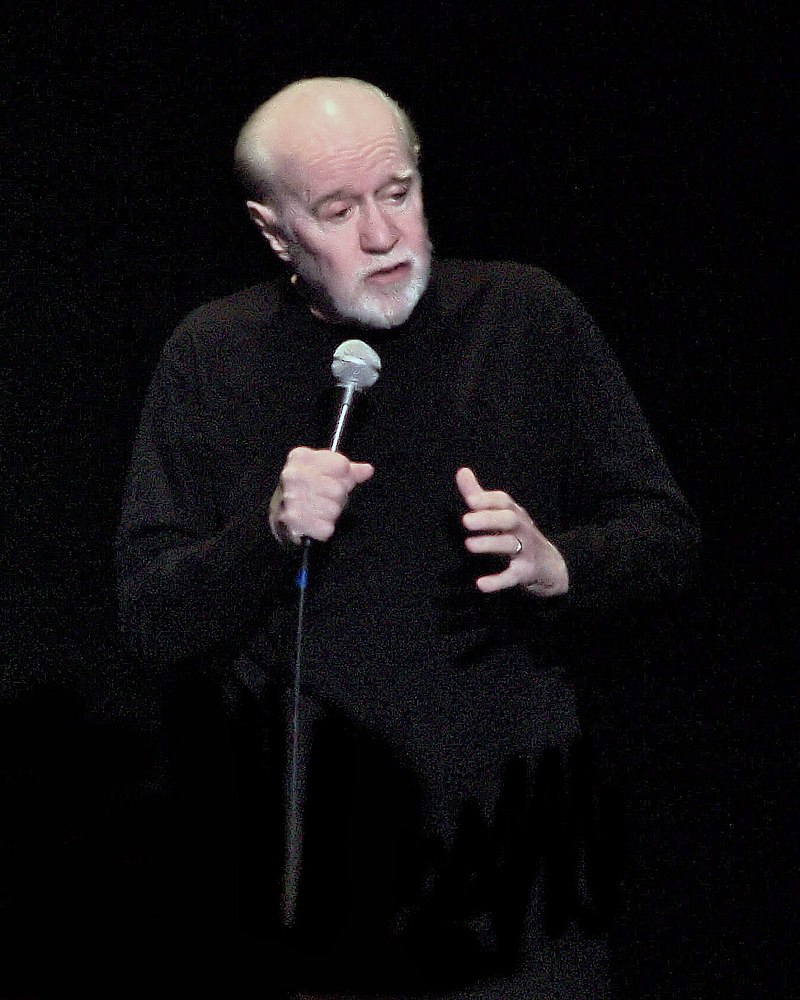
stand-up comedy
comedy style where the performer addresses the audience directly

Comedy Central
American cable and satellite television channel

stage name
pseudonym or name variant used by performing artist
minstrel show
blackface performance

manzai
thumb|200px|A pair of performers at a New Year celebration; the at front, the behind him (artist unknown, 19th-century Japanese painting)
roast
comedic genre
opening act
entertainment act that performs at a concert before the featured act
sex comedy
genre in which comedy is motivated by sexual situations and love affairs
open mic
live show at a variety of different clubs

xiangsheng
Xiangsheng (), also known as crosstalk or comic dialog, is a traditional performing art in Chinese comedy, and one of the most popular elements in Chinese culture. It is typically performed as a dialog between two performers, or rarely as a monologue by a solo performer (similar to most forms of stand-up comedy), or even less frequently, as a group act by multiple performers. The Xiangsheng language, rich in puns and allusions, is delivered in a rapid, bantering style, typically in the Tianjin dialect (or in Mandarin Chinese with a strong northern accent). The acts would sometimes include sing
anti-humor
Anti-humor or anti-comedy is a type of alternative humor that is based on the surprise factor of absence of an expected joke or of a punch line in a narration that is set up as a joke, which in turn can have a humorous effect to some. This kind of anticlimax is similar to that of the shaggy dog story. In fact, some researchers see the "shaggy dog story" as a type of anti-joke. Anti-humor is described as a form of irony or reversal of expectations that may provoke an emotion opposite to humor, such as fear, pain, embarrassment, disgust, awkwardness, or discomfort.
cringe comedy
genre of comedy that derives humor from social awkwardness
one-line joke
joke that is delivered in a single line
ribaldry
thumb|A urinal in [[Thailand with a ribald depiction]]
Ribaldry, also known as blue comedy in performing arts, is a humorous genre of entertainment that ranges from bordering on indelicacy to indecency, with the humorous elements based on amusingly coarse and morally incorrect or irreverent talk and behavior. Blue comedy is also referred to as "bawdiness" or being "bawdy". Like any humour, ribaldry may be read as conventional or subversive. Ribaldry typically depends on a shared background of sexual conventions and values, and its comedy generally depends on seeing those conventions broken.
observational comedy
form of humor
character comedy
comedy genre
alternative comedy
comedy genre
comedy club
a venue, typically a nightclub, bar, or restaurant where people watch or listen to performances, including stand-up comedians, improvisational comedians, impersonators, magicians, ventriloquists and other comedy acts
heckler
right|thumb|A heckler in Washington, D.C., leans across a police line toward a demonstration of Iranians during the Iran hostage crisis, August 1980.