Category
page 1State capitals in Brazil

Rio de Janeiro
Rio de Janeiro, also known simply as Rio, is the capital of the state of Rio de Janeiro. It is the second-most-populous city in Brazil after São Paulo and the sixth-most-populous city in the Americas.

Curitiba
Curitiba ( ; ) is the capital and largest city in the state of Paraná in Southern Brazil. The city's population was 1,829,225 making it the eighth most populous city in Brazil and the largest in Brazil's South Region. The Curitiba Metropolitan area comprises 29 municipalities with a total population of over 3,559,366, making it the ninth most populous metropolitan area in the country.

São Paulo
São Paulo is the capital city of the state of the same name, as well as the most populous city in Brazil, South America, the Americas, and in both the Western and Southern Hemispheres. The city exerts international influence in commerce, finance, culture, gastronomy, arts, fashion, technology, entertainment and media, having been listed by UNESCO's Creative Cities Network as a "City of Film" and the title of "World Capital of Gastronomy", and by the Globalization and World Cities Research Network (GaWC) as an alpha global city. It is the largest urban area by population outside Asia and the most populous Portuguese-speaking city in the world. The city's name "São Paulo" honors Paul the Apostle and people from the city are known as paulistanos. The city's Latin motto is Non ducor, duco, which translates as "I am not led, I lead".

Salvador
municipality of Bahia state, Brazil

Belo Horizonte
municipality of Minas Gerais state, Brazil

Manaus
Manaus () is the capital and largest city of the Brazilian state of Amazonas. It is the seventh-largest city in Brazil, with an estimated 2024 population of 2,279,686 distributed over a land area of about . Located at the east centre of the state, the city is the centre of the Manaus metropolitan area and the largest metropolitan area in the North Region of Brazil by urban landmass. It is situated near the confluence of the Negro and Amazon rivers. It is one of the two cities in the Amazon rainforest with a population of over 1 million people, alongside Belém.

Recife
Recife ( , ) is the state capital of Pernambuco, Brazil, on the northeastern Atlantic coast of South America. It is the largest urban area within both the North and the Northeast Region of Brazil. It is the largest city in Pernambuco state, and the fourth-largest urban area in all of Brazil; the metro population of the city of Recife was 3,726,974 in 2022. Recife was founded in 1537, serving as the main harbor of the Captaincy of Pernambuco—known for its large-scale production of sugar cane. At one point, it was known as Mauritsstad, when it served as the capital city of the 17th century colon

Porto Alegre
municipality of Rio Grande do Sul state, Brazil

Fortaleza
Fortaleza ( ; ; ) is the state capital of Ceará, located in Northeastern Brazil. It is Brazil's 4th largest city—Fortaleza surpassed Salvador in 2024 census with a population of slightly over 2.5 million. Currently, it is the eleventh richest city in the country by gross domestic product and the richest in the Northeast, with a GDP of about 73 billion reais. It forms the core of the Fortaleza metropolitan area, which is home to almost 4 million people.

Belém
Belém (; Portuguese for Bethlehem; initially called Nossa Senhora de Belém do Grão-Pará, in English Our Lady of Bethlehem of Great Pará), often called Belém of Pará, is the capital and largest city of the state of Pará in the north of Brazil. It is the gateway to the Amazon River with a busy port, airport, and bus/coach station. Belém lies approximately 100 km (62.1 miles) upriver from the Atlantic Ocean, on the Pará River, which is part of the greater Amazon River system, separated from the larger part of the Amazon delta by Ilha de Marajó (Marajo Island). With an estimated population of 1,39

Natal
municipality of Rio Grande do Norte state, Brazil

Goiânia
Goiânia ( , ) is the capital and largest city of the Brazilian state of Goiás. With a population of 1,536,097, it is the second-largest city in the Central-West Region and the 10th-largest in the country. Its metropolitan area has a population of 2,890,418, making it the 12th-largest in Brazil. With an area of approximately , it has a continuous geography with few hills and lowlands, with flat lands in most of its territory, especially the Meia Ponte River, in addition to Botafogo and Capim Puba streams.

Florianópolis
Florianópolis (; ) is the capital and second largest city of the state of Santa Catarina, in the South region of Brazil. The city encompasses Santa Catarina Island and surrounding small islands, as well as part of the mainland. It has a population of 537,211, according to the 2022 Brazilian census, the second-most populous city in the state (after Joinville), and the 39th in Brazil. The metropolitan area has an estimated population of 1,111,702, the 21st largest in the country. The city is known for having the country's third-highest Human Development Index score among all Brazilian cities (0.
Maceió
Maceió (), formerly anglicised as Maceio, is the capital and the largest city of the coastal state of Alagoas, Brazil. The name "Maceió" is an Tupi Indigenous term for a spring.
Cuiabá
Cuiabá () is the capital city and the largest city of the Brazilian state of Mato Grosso. It is located near the geographical centre of South America and also forms the metropolitan area of Mato Grosso, along with the neighbouring town of Várzea Grande. The city's name is an indigenous Bororo word meaning 'arrow-fishing', The city was founded in 1719, during the gold rush, and it has been the state capital since 1818. The city is a trading centre for an extensive cattle-raising and agricultural area. The capital is among the fastest-growing cities in Brazil, followed by the growth of agribusin

São Luís
municipality of Maranhão state, Brazil
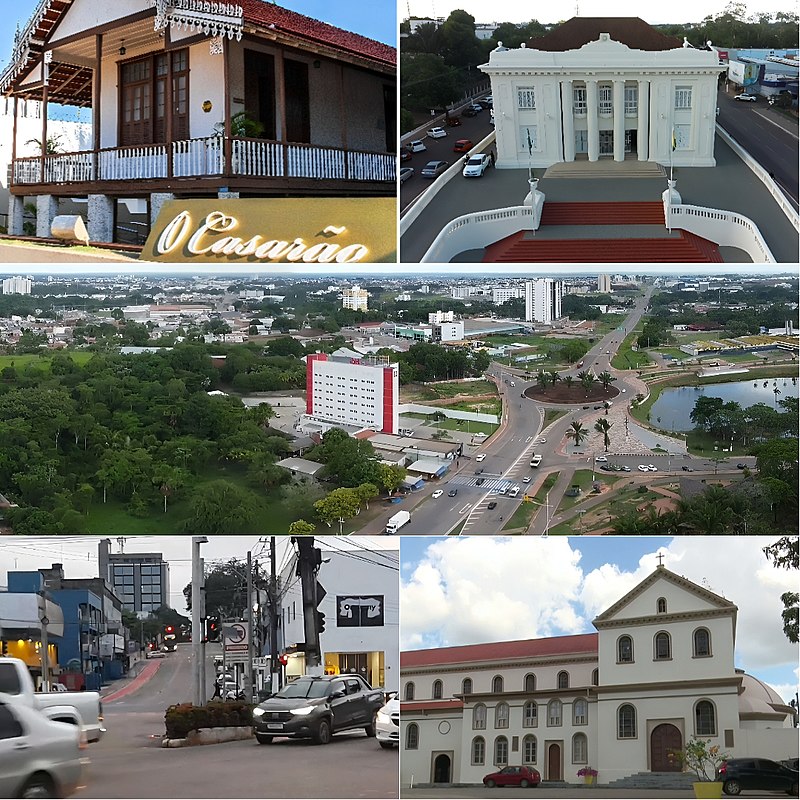
Rio Branco
municipality and capital of Acre state, Brazil

Campo Grande
municipality of Mato Grosso do Sul state, Brazil

Aracaju
Teresina
Teresina is the capital and most populous municipality in the Brazilian state of Piauí. Being located in north-central Piauí 366 km from the coast, it is the only capital in the Brazilian Northeast that is not located on the shores of the Atlantic Ocean. With 902,644 inhabitants, Teresina is the 19th largest city in Brazil, and the 16th largest state capital in the country. Together with Timon in the neighbouring state of Maranhão, it forms a conurbation with a population of about 2,729,527 inhabitants; the entire metropolitan region of Teresina has over 2,893,729 inhabitants. The only na

Vitória
municipality of Espírito Santo state, Brazil

João Pessoa
municipality of Paraíba state, Brazil

Porto Velho
municipality of Rondônia state, Brazil

Boa Vista
municipality of Roraima state, Brazil
Macapá
Macapá () is a city in Brazil with a population of 512,902 (2020 estimate), and is the capital of Amapá state in the country's North Region, located on the northern channel of the Amazon Delta near its mouth on the Atlantic Ocean. The city is on a small plateau on the Amazon in the southeast of the state of Amapá. The only access by road from outside the province is from the overseas French department of French Guiana, although there are regular ferries to Belém, Brazil. Macapá is linked by road with some other cities in Amapá. The equator runs through the middle of the city, leading residents

Palmas
municipality of Tocantins state, Brazil