Category
page 1Stereotypes of the working class

Lumpenproletariat
In Marxist theory, the Lumpenproletariat (; ) is the underclass devoid of class consciousness. Karl Marx and Friedrich Engels coined the word in the 1840s and used it to refer to the unthinking lower strata of society exploited by reactionary and counter-revolutionary forces, particularly in the context of the revolutions of 1848. They dismissed the revolutionary potential of the Lumpenproletariat and contrasted it with the proletariat. Among other groups, criminals, vagabonds, and prostitutes are usually included in this category.
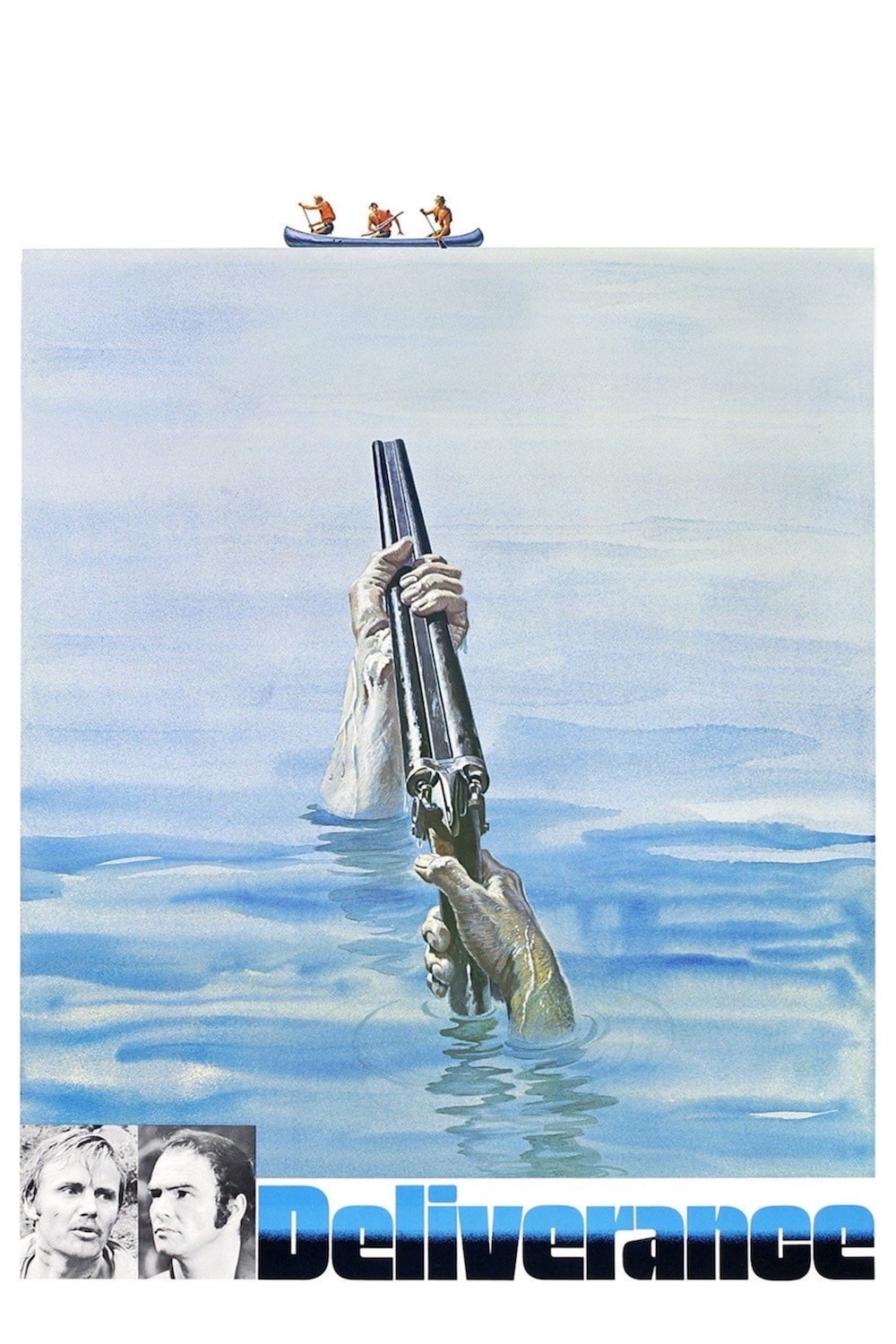
Deliverance
Deliverance is a 1972 American thriller film directed and produced by John Boorman from a screenplay by James Dickey, who adapted it from his own 1970 novel. It follows four businessmen from Atlanta who venture into the remote northern Georgia wilderness to whitewater canoe the Cahulawassee River before it is dammed, only to find themselves in danger from the area's inhabitants and nature. It stars Jon Voight, Burt Reynolds, Ned Beatty, and Ronny Cox, with the latter two making their feature film debuts.
.jpg)
coolie
250px|thumb|Indian labourers in British Trinidad and Tobago; around 1890s
white trash
American English slur for poor white people, especially in the American South

redneck
thumb|250px|The term may come from the look of a sunburned neck.
Redneck is a derogatory term mainly applied to white Americans perceived to be crass and unsophisticated, closely associated with rural whites of the southern United States.
Its meaning possibly stems from the sunburn found on farmers' necks dating back to the late 19th century.
Authors Joseph Flora and Lucinda MacKethan describe the stereotype as follows:
Redneck is a derogatory term currently applied to some lower-class and working-class southerners. The term, which came into common usage in the 1930s, is derived from the red
chav
"Chav" (), also "charver", or "scally", or "roadman" in parts of England, is a British term, usually used in a pejorative way. The term is used to describe an anti-social lower-class youth dressed in sportswear. The term has been described as classist. Julie Burchill described the term as a form of "social racism". "Chavette" is a related term referring to female chavs, and the adjectives "chavvy", "chavvish", and "chavtastic" are used to describe things associated with chavs, such as fashion, slang, etc. In Australia, "eshay" or "adlay" has been described as a "try-hard chav".
Lazzaroni
lowest class in 18th-19th century Naples
Poor White
United States social caste and ethnic group
navvy
thumb|right|250px|A "navvy" depicted in Ford Madox Brown's painting Work
Navvy, a clipping of navigator (UK) or navigational engineer (US), mainly refers to the manual labourers working on major civil engineering projects, though it is also used in North America to refer to mechanical shovels and earth moving machinery. The term was coined in the late 18th century in Great Britain when numerous canals were being built, which were also sometimes known as "navigations".
Kevinism
'''' ("Kevinism") is a German term for the practice of giving children trendy, exotic-sounding names as opposed to traditional German ones. It is often considered to be an indicator of low social class. The prototypical example is Kevin, which like most such names came to Germany from Anglo-American culture. Specifically, Kevin McCallister, the protagonist of the 1990 comedy film Home Alone (titled Kevin – Allein zu Haus'' in the German release) is credited with making Kevin the most popular boys' name chosen in Germany in 1991. Kevin Costner's 1990 film Dances with Wolves is often cited as an
Low information voter
Poorly informed people who vote in elections