Category
page 1Stock characters

clown
A clown is a person who performs physical comedy and arts in an open-ended fashion, typically while wearing distinct makeup or costuming and reversing folkway-norms. The art of performing as a clown is known as clowning or buffoonery, and the term "clown" may be used synonymously with predecessors like jester, joker, buffoon, fool, or harlequin.

zombie
thumb|310x310px|A depiction of a zombie at twilight in a field of sugar cane

barbarian
thumb|237px|19th-century portrayal of the Huns as barbarians

superhero
A superhero or superheroine, is a character who typically possesses superpowers or abilities beyond those of ordinary people; is frequently costumed, concealing their identity; and fits the role of the hero, typically using their powers to help the world become a better place, or dedicating themselves to protecting the public and fighting crime. Superhero fiction is the genre of fiction that is centered on such characters, especially, since the 1930s, in American comic books (and later in Hollywood films, film serials, television and video games), as well as in Japanese media (including kamish

antihero
thumb|right|Revisionist Western films commonly feature antiheroes as lead characters whose actions are morally ambiguous. [[Clint Eastwood, pictured here in A Fistful of Dollars (1964), portrayed the archetypal antihero called the "Man with No Name" in the Italian Dollars Trilogy of Spaghetti Westerns.]]

grotesque
thumb|upright=0.9|Grotesque studies, Michelangelo.
Grotesque is an adjective often used to describe weird shapes and distorted forms such as Halloween masks. In art, performance, and literature, however, grotesque may also refer to something that simultaneously invokes an audience feeling of uncomfortable bizarreness as well as sympathetic pity.

warrior
A warrior is a guardian specializing in combat or warfare, especially within the context of a tribal or clan-based warrior culture society that recognizes a separate warrior aristocracy, class, or caste.

Death
personification of death

leprechaun
A leprechaun () is a diminutive supernatural being in Irish folklore, classed by some as a type of solitary fairy. They are usually depicted as little bearded men, wearing a coat and hat, who partake in mischief. In later times, they have been depicted as shoe-makers who have a hidden pot of gold at the end of the rainbow.

nerd
thumb|Example of a stereotypical 'nerd' appearance - note the round glasses, braces, trousers pulled too high, and off-putting enthusiasm
A nerd is a person seen as over-intellectual, obsessive, introverted, lacking social skills and socio-cultural intuition. Such a person may spend inordinate amounts of time on unpopular, little-known, or non-mainstream activities, which are generally either highly technical, abstract, or relating to niche topics such as science fiction or fantasy, to the exclusion of more mainstream activities. Additionally, many so-called nerds are described as being shy, q

villain
thumb|Count Dracula is an example of a villain in classic literature and film.
thumb|Theme from Mysterioso Pizzicato, a [[cliché silent movie cue for villainy ]]

Harlequin
thumb|The classical appearance of the Harlequin stock character in the commedia dell'arte of the 1670s, complete with batte or "slapstick", a magic wand used by the character to change the scenery of the play ([[Maurice Sand, 1860)]]
Harlequin (, , ; , ) is the best-known of the comic servant characters (Zanni) from the Italian commedia dell'arte, associated with the city of Bergamo. The role is traditionally believed to have been introduced by the Italian actor-manager Zan Ganassa in the late 16th century, was definitively popularized by the Italian actor Tristano Martinelli in Paris in 1584–
.jpg)
berserker
In the Old Norse written corpus, berserkers () were Scandinavian warriors who were said to have fought in a trance-like fury, a characteristic which later gave rise to the modern English adjective berserk . Berserkers are attested to in numerous Old Norse sources.
feral child
human child who has lived isolated from human contact from a very young age
grey alien
alleged non-human beings associated with UFOs

paladin
thumb|upright=1.35|The death of Roland at the Battle of Roncevaux (manuscript illustration c. 1455–1460)
The Paladins, also called the Twelve Peers (), are twelve legendary knights, the foremost members of Charlemagne's court in the 8th century. They first appear in the medieval (12th century) chanson de geste cycle of the Matter of France, where they play a similar role to the Knights of the Round Table in Arthurian romance. In these romantic portrayals, the chivalric paladins represent Christianity against a Saracen (Muslim) invasion of Europe. The names of the paladins vary between sources,

shield-maiden
thumb|350px|right|Hervor dying after the Hlǫðskviða by [[Peter Nicolai Arbo]]

supervillain
thumb|Supervillains of the United Underworld from the 1966 film Batman (1966 film)|Batman, a film adaptation of the comic books based on [[Batman and the 1960s television show of the same name. From left to right: Penguin, Riddler, Catwoman, and Joker.]]
men in black
supposed government agents who threaten UFO witnesses to keep them silent or take evidence
noble savage
stock character; idealized indigene or otherwise wild outsider with noble characteristics
mad scientist
stock character; an insane or highly eccentric scientist, often villainous or amoral
.jpg)
caveperson
thumb|300px|Le Moustier [[Neanderthals (Charles R. Knight, 1920)]]
The caveman is a stock character representative of primitive humans in the Paleolithic. The popularization of the type dates to the early 20th century, when Neanderthals were influentially described as "simian" or "ape-like" by Marcellin Boule and Arthur Keith.

miser
thumb|A detail from ''L'Avaro'', a print by Antonio Piccinni (1878)

gunfighter
Gunfighters, also called gunslingers (), were individuals in the American Old West who gained a reputation of being dangerous with a firearm and participated in deadly shootouts. The gunfighter can be a lawman, outlaw, cowboy, shooting exhibitionist, or a hired gun, who is quick on the draw with a handgun or highly-skilled with rifles and shotguns. The feats of such individuals would end up becoming part of frontier folklore, and through the years would gain increasing degree of exaggeration. In modern times, many historians attempted to separate fact and fiction between such historical gunmen
imaginary friend
phenomenon where a friendship or other interpersonal relationship takes place in imagination
stock character
literary or social stereotype used to create characters or determine their role in a story

Soubrette
thumb|Soubrette by Alexander Mann
A soubrette is a female minor stock character in opera and theatre, often a pert lady's maid. By extension, the term can refer generally to any saucy or flirtatious young woman. The term arrived in English from Provençal via French, and means "conceited" or "coy".
good cop/bad cop
Interrogation and negotiation tactic
evil clown
pop culture trope and horror staple

flâneur
thumb|Paul Gavarni, , 1842
tokenism
In sociology, tokenism is the social practice of making a perfunctory and symbolic effort towards the equitable inclusion of members of a minority group, especially by recruiting people from under-represented social-minority groups in order for the organization to give the public appearance of racial and gender equality, usually within a workplace, government, or a school. The sociological purpose of tokenism is to give the appearance of inclusivity to a workplace or a school that is not as culturally diverse (racial, religious, sexual, etc.) as the rest of society.

Scaramouche
thumb|Portrait of Tiberio Fiorilli as Scaramouche by Pietro Paolini
thumb|J. S. Grimaldi as Scaramouche,
thumb|Scaramuccia in 1860
Scaramouche () or Scaramouch (; Italian: Scaramuccia ; ) is a stock clown character of the 16th-century commedia dell'arte (comic theatrical arts of Italian literature). The role combined characteristics of the Zanni (servant) and il Capitano (masked henchman), with some assortment of villainous traits. Usually attired in black Spanish dress and burlesquing a don, he was often beaten by Harlequin for his boasting and cowardice.
Byronic hero
Type of antihero often characterized by isolation and contemplation
pop icon
celebrity, character or object regarded as constituting a defining characteristic of a given society or era
.png)
archenemy
thumb|right|Sherlock Holmes wrestling against his archenemy Professor James Moriarty.

knight-errant
thumb|The Knight Errant (painting)|The Knight Errant by [[John Everett Millais (1870)]]
.jpg)
sidekick
thumb|Sancho Panza, a [[squire, can be regarded as a sidekick to Don Quixote in Cervantes' famed fictional work.]]
A sidekick is a close companion or colleague who is, or is generally regarded as, subordinate to those whom they accompany.
playboy
lifestyle
girl next door
archetype of a cute, kind, unassuming, and honest woman or girl, often in a romantic story
travesti
performance in clothes of the opposite sex
little green men
stock character; little humanoid extraterrestrials with green skin and often antennae on their heads
village idiot
social role or stock character; person locally known for ignorance, silliness, or mental disability
redshirt
stock character; an expendable character who dies soon after being introduced
Dark Lord
stock character; an evil, very powerful, often godlike or near-immortal sorcerer

Petrushka
Petrushka () is a stock character of Russian folk puppetry. It was first introduced by traveling Italian performers in the first third of the 19th century during a period of Westernization in Russian culture. While most core characters came from Italy, they were soon transformed by the addition of material from the Russian cultural context.' Petrushkas are traditionally hand puppets. The character is a kind of a jester, a slapstick protagonist distinguished by his red dress, a red kolpak, and often a long nose.
%20British%20Library.png)
Termagant
thumb|Text from a manuscript of the Chanson de Guillaume: Tresque il vendreit de aurer Tervagant
In the Middle Ages, Termagant or Tervagant was the name of a god that some European Christians believed Muslims worshipped. It originates in the eleventh-century Song of Roland.

Youxia
thumb|200px|Late Qing period martial artist Huo Yuanjia was considered a great folk-hero (大俠).
Youxia () was a type of ancient Chinese warrior folk hero celebrated in classical Chinese poetry and fictional literature. It literally means "wandering vigilante", but is commonly translated as "knight-errant" or less commonly as "cavalier", "adventurer", "soldier of fortune" or "underworld stalwart".
space pirate
someone who commits space piracy
gentleman thief
stock character; a sophisticated and well-mannered thief
black knight
literary stock character who masks their identity
slime
slimy or ooze-like organisms in fiction
supersoldier
soldier who operates beyond human limits or abilities
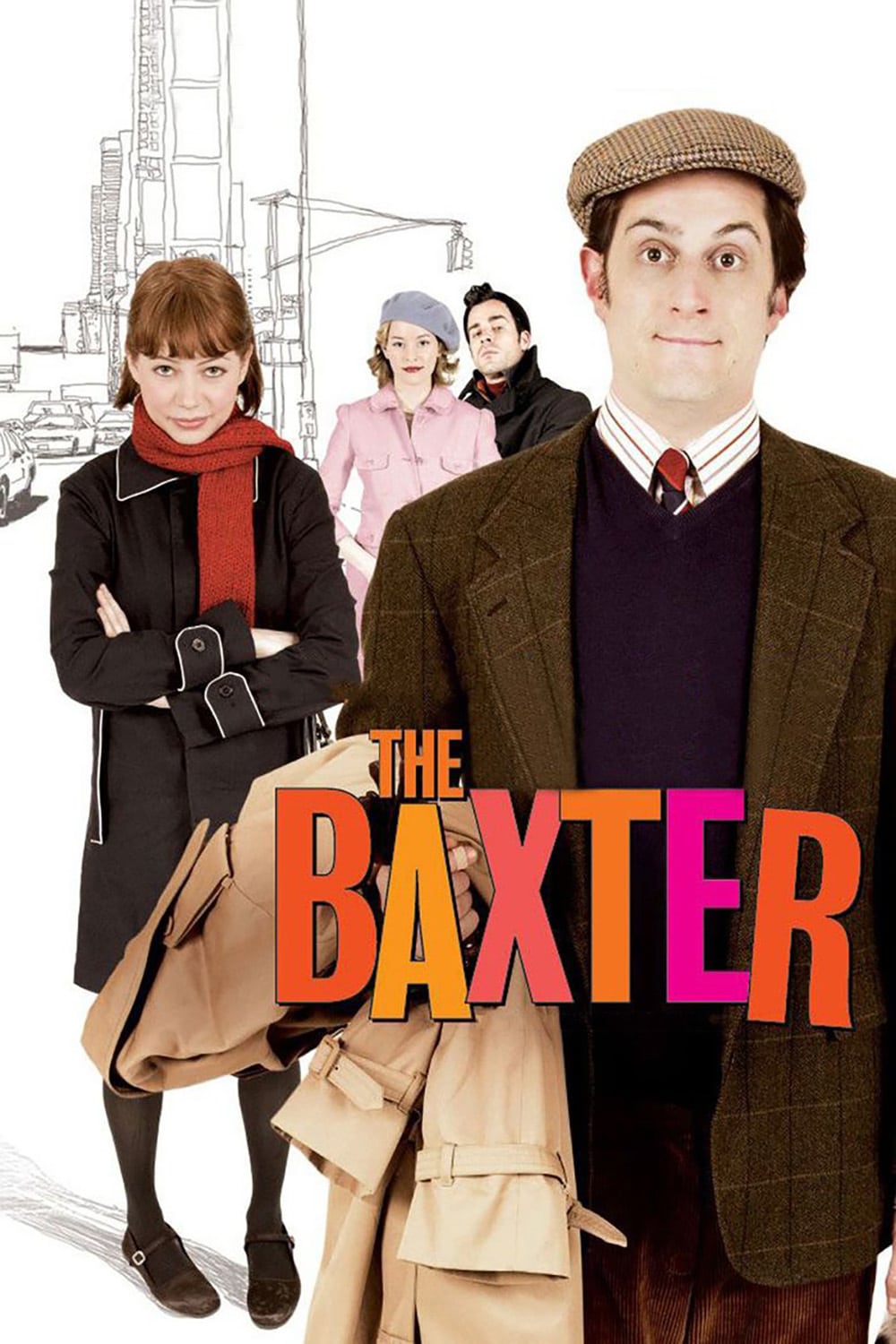
The Baxter
2005 film by Michael Showalter
swashbuckler
right|thumb|Charles de Batz de Castelmore d'Artagnan|D'Artagnan and the Three Musketeers.
fumetti neri
comic genre
simpleton
thumb | right | alt=alt=Refer to caption | The Ship of Fools by Hieronymus Bosch, between 1488 and 1510.
__NOTOC__
In folklore, a simpleton is a person whose foolish actions are the subject of often-repeated stories. Simpletons are also known as noodles or fools. Folklore often holds, with no basis in fact, that certain towns or countries are thought to be home to large numbers of simpletons. The ancient Greeks told tales of stupid populations in Abdera and other cities; in Germany, burgher of Schilda are conspicuous in these stories; in Spain hundreds of jokes exist about the supposed foolish
action hero
archetypal protagonist of action-genre fiction
Tortured artist
stock character; character who is in constant torment due to frustrations with art and other people
absent-minded professor
stock character; an absent-minded scientific genius
magical negro
stock character; black person with special insight or mystical powers coming to the aid of the white protagonist