Category
page 1Stock market

share
single unit of ownership in a corporation, mutual fund, or any other organization
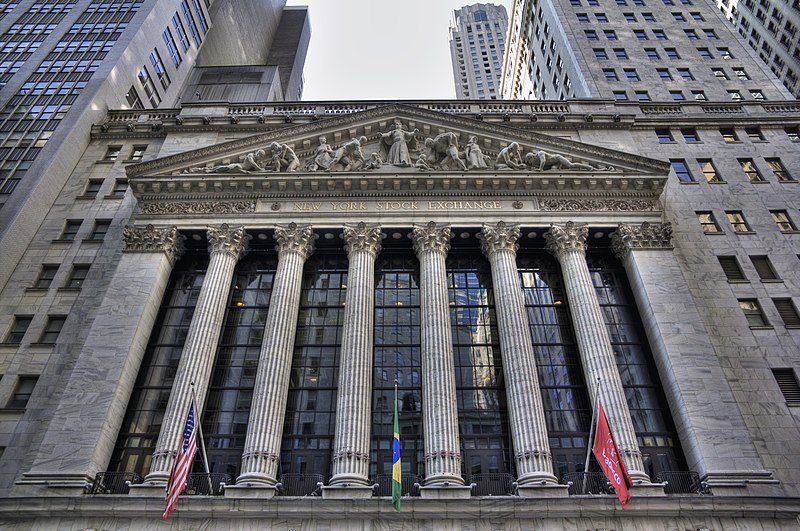
stock exchange
organization that provides services for stock brokers and traders to trade securities

trading venue
highly organized trading market
security
tradable financial asset
stock market
public entity for the trading of company stocks and shares
shareholder
A shareholder (in the United States often referred to as a stockholder) refers to an individual or legal entity (such as another corporation, a body politic, a trust or partnership) who is registered by the corporation as the legal owner of shares of its share capital. Both public companies and private corporation have shareholders. Shareholders may also be referred to as members of a corporation. A person or legal entity becomes a shareholder in a corporation when they acquire shares and their name and other details are entered in the corporation's register of shareholders or members, and unl

stock market index
measures a stock market to help investors compare stock prices
technical analysis
financial security analysis methodology based on historical price patterns

equity
difference between the value of the assets/interest and the cost of the liabilities of something owned
fundamental analysis
analysis of a business's financial statements, health, and market

insider trading
trading of a public company's securities by individuals based on material, nonpublic information about the company
contract for difference
contract stipulating that the seller will pay to the buyer the difference between the current value of an asset and its value at contract time
preferred stock
type of stock which may have any combination of features not possessed by common stock
ticker symbol
abbreviation used to uniquely identify publicly traded shares or cryptocurrencies
blue chip
stock in a corporation with a reputation for reliability and performance
over-the-counter trading
financial trading done directly between two parties, rather than on an exchange
trader
businessperson who exchanges stocks, bonds and other such financial instruments

stock
Stocks (also capital stock, or sometimes interchangeably, shares) consist of all the shares by which ownership of a corporation or company is divided. A single share of the stock means fractional ownership of the corporation in proportion to the total number of shares. This typically entitles the shareholder (stockholder) to that fraction of the company's earnings, proceeds from liquidation of assets (after discharge of all senior claims such as secured and unsecured debt), or voting power, often dividing these up in proportion to the number of like shares each stockholder owns. Not all stock
Black–Scholes model
mathematical model of a financial market with options
stock split
increasing the number of shares in a company, without dilution or change in total capitalization
value investing
investment paradigm that involves buying securities that appear underpriced by some form of fundamental analysis
price-to-book ratio
expresses the current share price as premium above the book value of a share
pump and dump
form of securities fraud that involves artificially inflating the price of an owned microcap stock through false and misleading positive statements, in order to sell the cheaply purchased stock at a higher price
listing
in corporate finance, the company's shares being on the list of stock that are traded
public float
the total number of shares publicly owned and available for trading, after subtracting restricted shares from the total outstanding shares
share repurchase
re-acquisition by a company of its own shares
penny stock
category of stocks sold over-the-counter at low per-share prices
wealth management
investment management and financial planning service
seasoned equity offering
capital increase
volume
amount of a security traded during a period of time
Dividend discount model
method of valuing a company's stock price
share certificate
legal document certifying ownership of share of company, association etc
profit warning
warning declaration issued by a listed company to investors through a stock exchange

Investor relations
management responsibility in which companies disclose information for regulatory compliance and for bond/share-holders to make investment judgments
reverse stock split
Financial process
electronic communication network
type of computerized forum or network
stock dilution
decrease in existing shareholders' ownership percentage of a company as a result of the company issuing new equity
share price
market price of a single share of a stock or fund
bucket shop
business that allows gambling based on the prices of stocks or commodities
beneficial owner
natural person or persons who ultimately owns or controls an interest in a legal entity or arrangement
registered share
stock with registration of the stockholder in a stock register
growth investing
investment strategy
Margin of safety
difference between the intrinsic value of a financial asset and its market price
electronic trading
type of trading
growth stock
type of equity in finance
Equity premium puzzle
economics concept
ticker tape
digital communication media
squeeze-out
A squeeze-out or squeezeout, sometimes synonymous with freeze-out, is the compulsory sale of the shares of minority shareholders of a joint-stock company for which they receive a fair cash compensation.
securities account
an account that is used to handle securities transactions and securities holdings
market sentiment
general attitude of investors to market price development
stock market bubble
type of economic bubble taking place in stock markets when market participants drive stock prices above their value in relation to some system of stock valuation.
Wash trade
market manipulation tactic which creates the illusion of demand
book building
generating, capturing, and recording investor demand for shares
list of stock market crashes and bear markets
Wikimedia list article
multilateral trading facility
type of financial trading venue
Money flow index
technical stock chart indicator
Greenshoe
Greenshoe, or over-allotment clause, is the term commonly used to describe a special arrangement in a U.S. registered share offering, for example an initial public offering (IPO), which enables the investment bank representing the underwriters to support the share price after the offering without putting their own capital at risk. This clause is codified as a provision in the underwriting agreement between the leading underwriter, the lead manager, and the issuer (in the case of primary shares) or vendor (secondary shares). The provision allows the underwriter to purchase up to 15% in addition
indirect finance
process to borrow funds in financial markets
Direct finance

securities offering
discrete round of investment